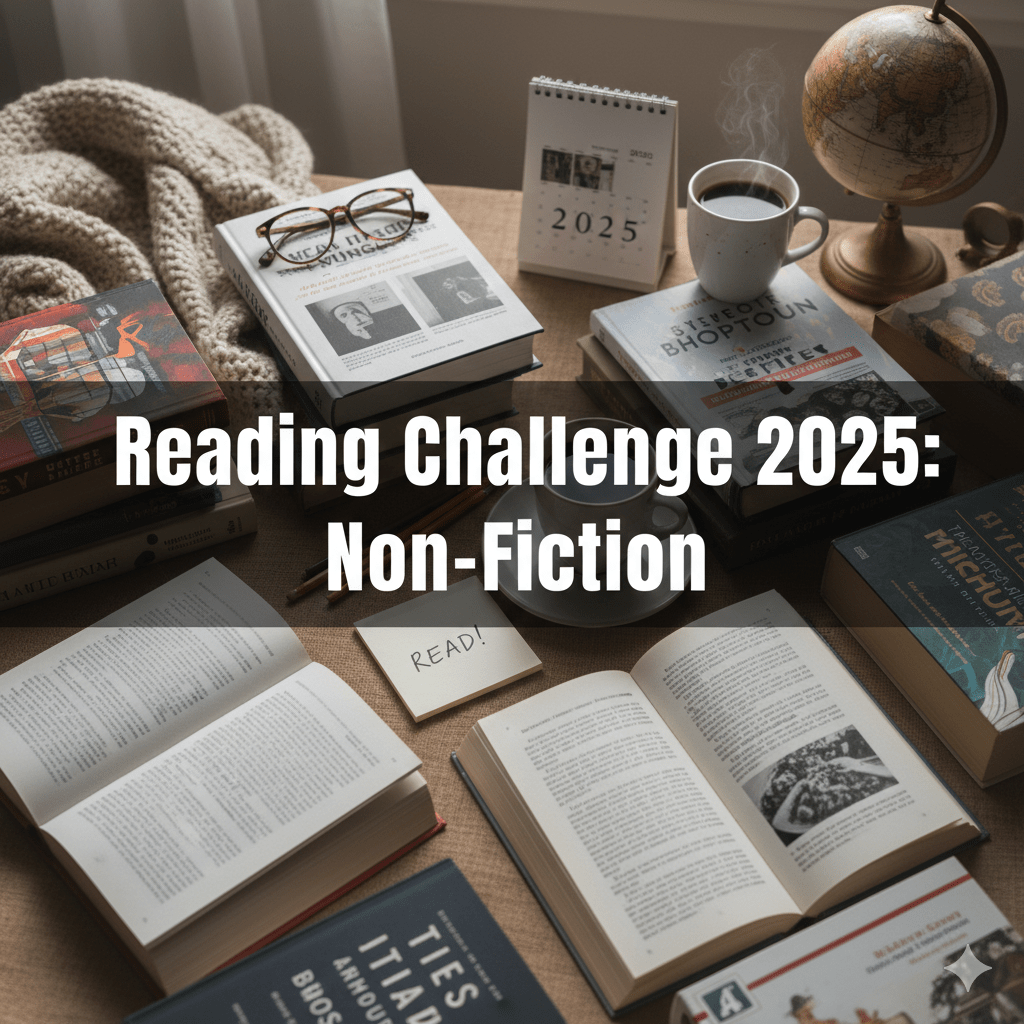
As the year winds down, I pause and look back at the stories that kept me company. Reading has always been my favourite way to unwind and escape. It is a quiet pocket of calm in otherwise busy days, and this year, books played that role more than ever.
I began January with a modest goal of 60 books, only to raise it to 75 midway through the year once the momentum kicked in. Not every pick was a win though; there were a few disappointments and some DNFs, largely because I spent too much time chasing curated lists instead of my own reading instincts.
While most of my reading usually happens on a Kindle or via Audible, this year saw a surprising return to physical books. The real highlight, however, was joining a book club that perfectly matched my vibe. I finally found my tribe and a space where conversations about books feel just as rewarding as reading them.
For the longest time, non-fiction was the shelf I actively avoided until a few compelling biographies quietly changed my mind. This year, I read two books focused on increasing creativity; while they offered plenty of inspiration and moments of recognition, I’ll admit I didn’t quite manage to put any of the advice into practice. What truly stood out for me was One Day, Everyone Will Have Always Been Against This by Omar El Akkad. It is an incisive, emotionally sharp exploration of how Western society decides who is worthy of empathy and grief. It articulated thoughts I’ve carried for years but never managed to express. Equally powerful was Palestine by Joe Sacco. Although written decades ago, yet unsettlingly relevant even today. These reads reminded me why non-fiction, when done right, can be just as immersive and unforgettable as fiction.
MegaCreativity: 5 Steps to Thinking Like a Genius Andrei G. Aleinikov
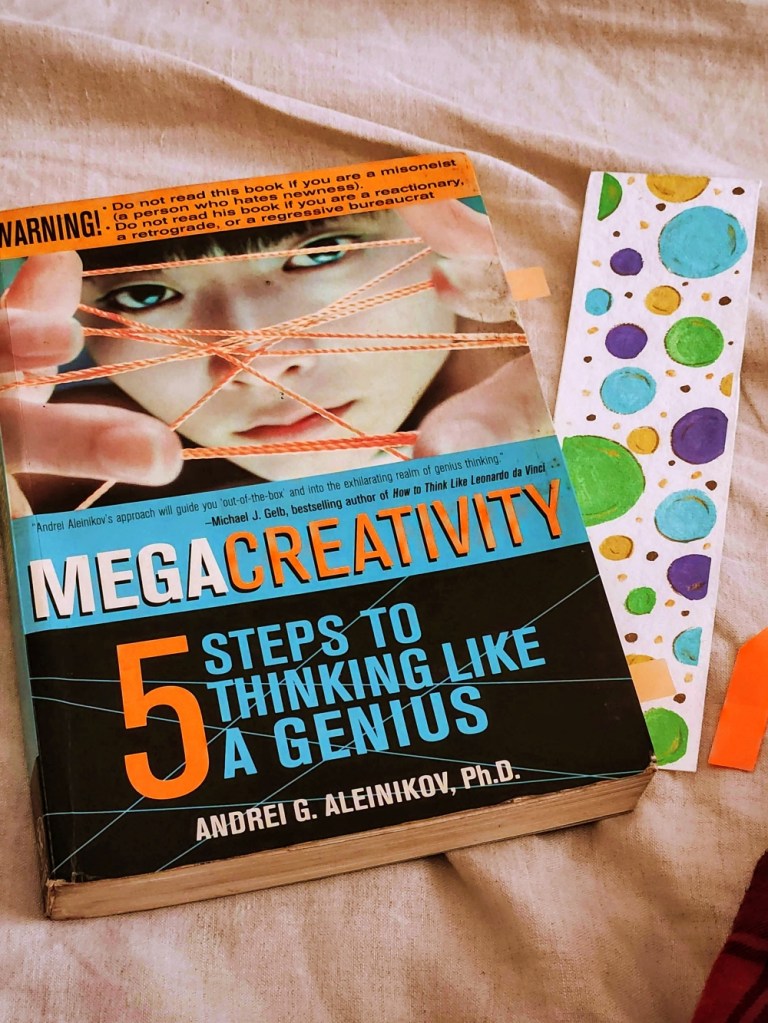
Aleinikov gives actionable exercises designed to stretch your thinking and help you uncover new dimensions of your creative potential. Even if you’ve tried similar exercises before, redoing them as he lists them leads to fresh insights and a deeper understanding of yourself. It’s a reminder that creativity isn’t a fixed trait but a skill that can be nurtured and expanded over time.
Read my full review here: Unlock Your Creative Potential
The Creative Act: A Way of Being by Rick Rubin
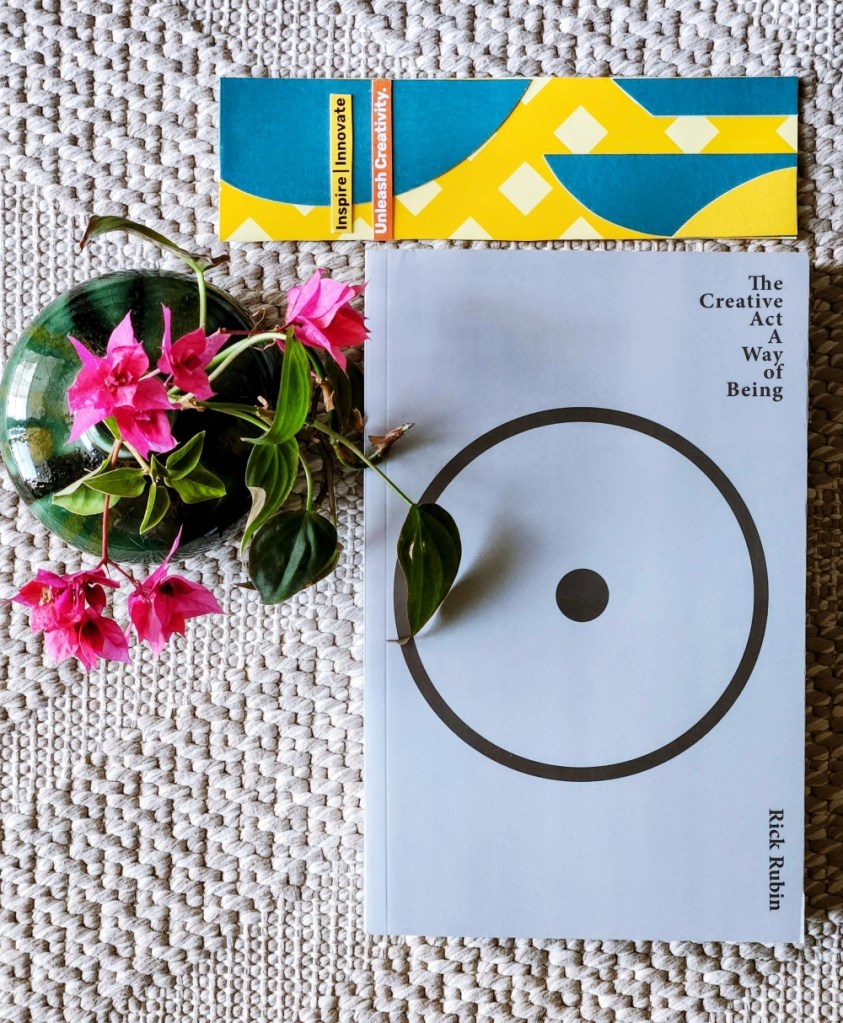
Rather than overcomplicating the journey of making any kind of art, Rubin breaks it down by its stages—definition, imagination, execution, and beyond. This way it doesn’t feel overwhelming or prescriptive.
I found his approach inclusive, framing art as a universal experience rather than something reserved for a select few. This makes creativity feel attainable, even for those who might not consider themselves artists in the traditional sense.
Read my full review here: Unlock Your Creative Potential
The Intermediaries: A Weimar Story by Brandy Schillace
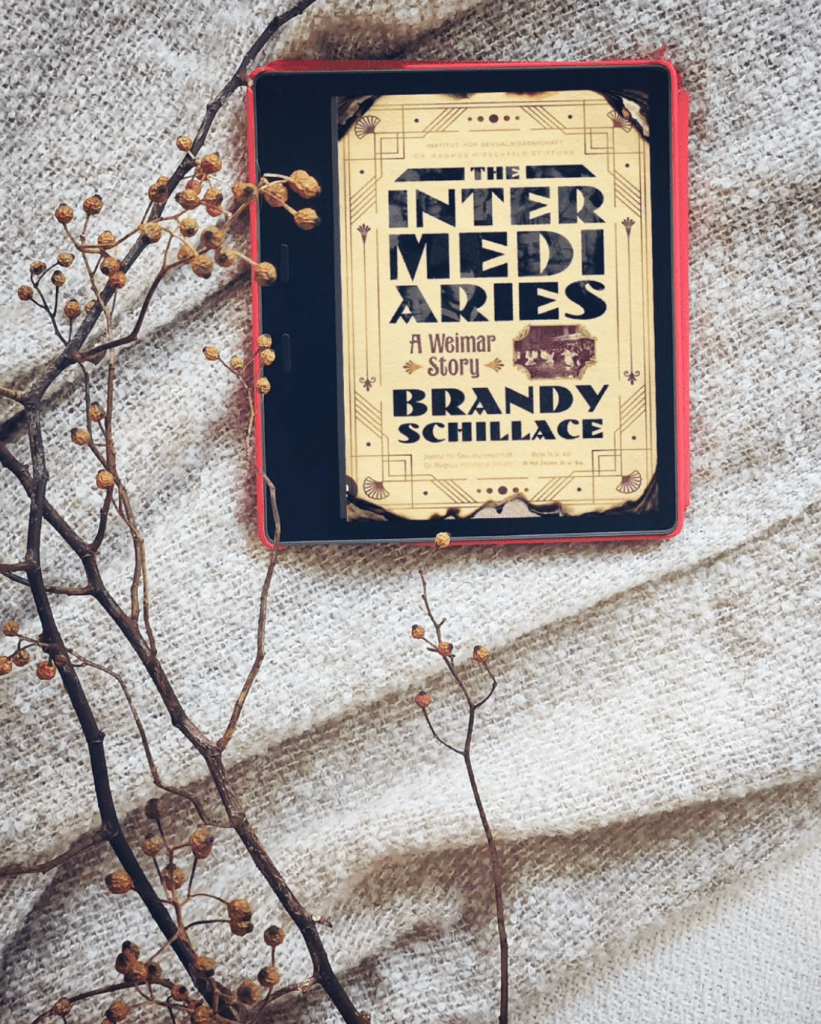
The book provides a good background in gender/sex studies and the politics that shaped views and policies that continue to be held today. Surprisingly, many ideas held a hundred years ago were more progressive than those seen today.
The book primarily looks at Dr Magnus Hishfeld and his studies on homosexuality and transgender rights. It also tells us stories of people, not famous and some famous, like Oscar Wilde, vilified for their sexual preferences.
A very informative read.
Ants Among Elephants by Sujatha Gidla

This is a memoir of people who came before the author – her mother and uncles, especially the older uncle, Satyam, who was a leader in the communist movement during India’s early years of independence.
Sujatha narrates how life was for people in their community, including instances of discrimination taken for granted, and their struggles to provide a life for their families. Living in India, if you’ve been a little aware of things outside your bubble, these stories wouldn’t surprise you. If anything, it would surprise you that many of those discriminatory practices are still prevalent today.
The book is written after detailed interviews with her uncle and other relevant people. It gives an insight into the rise of the Communist Party and the politics of Andhra/Telangana at the time.
The Good Mother Myth by Nancy Reddy

This would be helpful for new parents and people who feel the need to judge other people’s (especially moms’) parenting styles. Nancy discusses her own struggles as a new mother and how the research so far has been very lopsided, only taking into account a mother’s role in a child’s life.
It was frustrating to read about how moms, instead of poverty, were blamed for delinquency in children; how researchers looked to confirm their bias instead of listening to actual mothers in their own lives; and how a lot of these trends are still prevalent today!
One Day Everyone Will Have Always Been Against This by Omar El Akkad
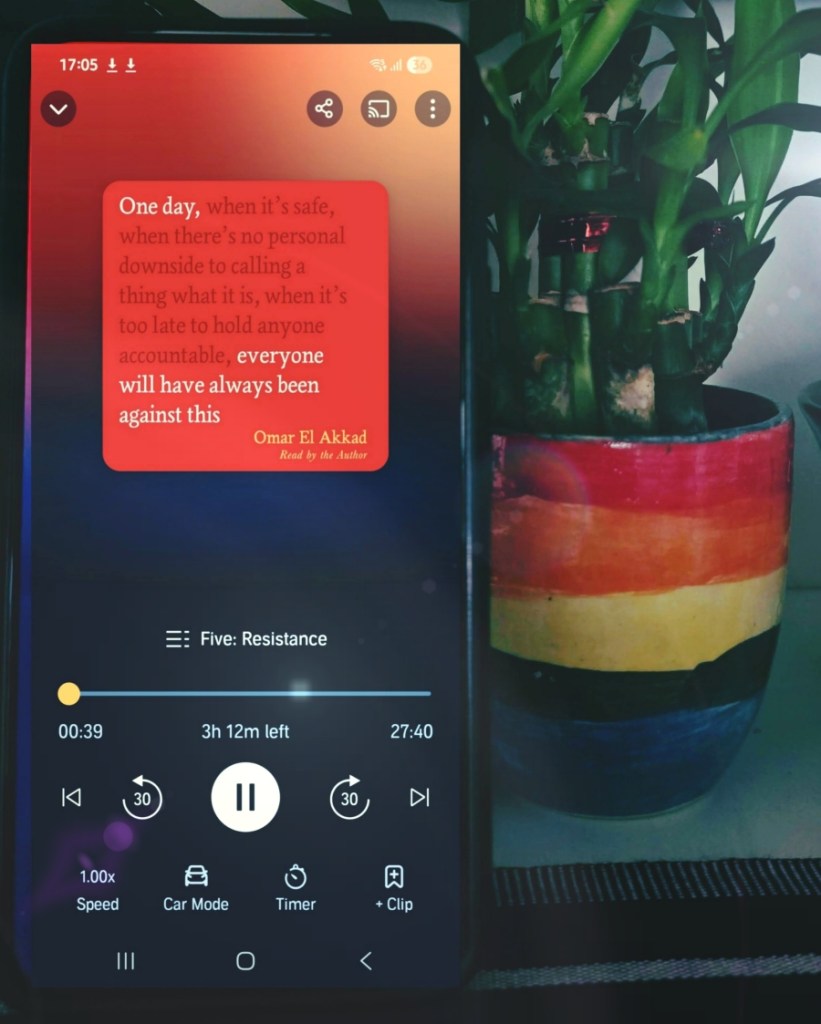
The starting point of history can always be shifted such that one is always instigating, the other always justified in response
This is a powerful reflection on the hypocrisy of those in power and the dehumanisation of those who are not in global conflicts. I remember the instances he talks about from the news—a girl rescued from the bombed rubble of her home symbolises the forgotten victims of war.
Mixed with his own experiences as an immigrant, the narrative critiques Western desensitisation to wars in the Global South, often instigated by foreign interference. The author, having lived in Qatar, talks of the difference he sees being played out depending on where you are on the social and economic hierarchy. The luxury for expats contrasts sharply with the exploitation of migrant workers, highlighting systemic racism across the world.
He also talks about the stark media bias—Palestinian journalists risk their lives, yet their reports are sidelined, while Western outlets parrot Israeli propaganda. The piece ends with a scathing indictment of American liberal and centrist hypocrisy.
As the book’s title suggests, one day, when enough time has passed, people will feel safe to denounce what is happening in front of their eyes because there will be no consequences. But for now, it is either too complicated or they deserve it.
How does one finish the sentence: ‘It is unfortunate that tens of thousands of children are dead, but …’
Read my full review here: Palestinian Stories
Palestine by Joe Sacco

Joe Sacco is a journalist, and instead of writing a news article about the two months he spent in Palestine, he has drawn a comic book to show us what words cannot, sometimes. The reporting is now over three decades old and things have gotten worse, but this book gives you a better understanding of the history and what the Palestinians have endured, and are enduring.
He talks of how reporting in the West is mostly one-sided and never in sympathy of the Palestinians. So, he goes there to find out for himself. Every Palestinian he meets has a tragic story to tell. There are sparks of humour in this bleak story-telling; the overdose of sugar in teas and the jokes people tell to stay sane.
The stories do get graphic, especially when describing the prison tortures. If you pause to dwell on any of this, it will be difficult to carry on reading. Read it quickly and turn the page, what else can you do?
Read my full review here: Palestinian Stories
Things in Nature Merely Grow by Yiyun Li
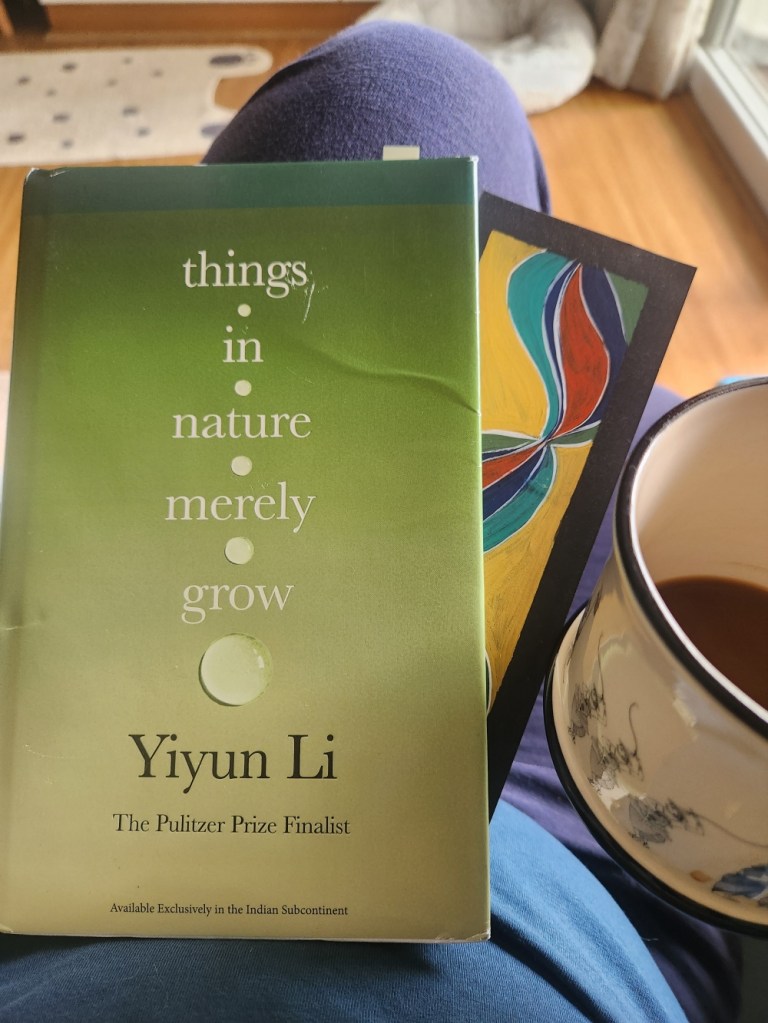
This is not an easy book to read. To be confronted with the possibility of your death is inevitable, but that of your kids is unimaginable. Li has to deal with both her sons dying by suicide. Don’t read this book with any preconceived notions or expectations. It is a mother’s way to honour and respect her sons who just felt that they couldn’t go on. She also talks about her own relationship with her mother (toxic to say the least) and the effect on her mental-health because of it. One thing that really impressed me was her close friend group; not only are they there for her every step of the way, they are also evolved enough to offer her the right guidance and support. The ways some of the other people reached out to her are good examples of what not to say and do. They are appalling, like a parent who was upset that her daughter didn’t get a farewell message from her son before he passed!
Some parts of the book stayed with me, like how she’s still a parent and her sons are always part of her life, even when they are not physically present anymore. Also, how grief is not something that you get over after a bit of time has passed. It is a book about learning to live in an abyss with immense loss and still figuring a way to go on.
The CIA Book Club by Charlie English
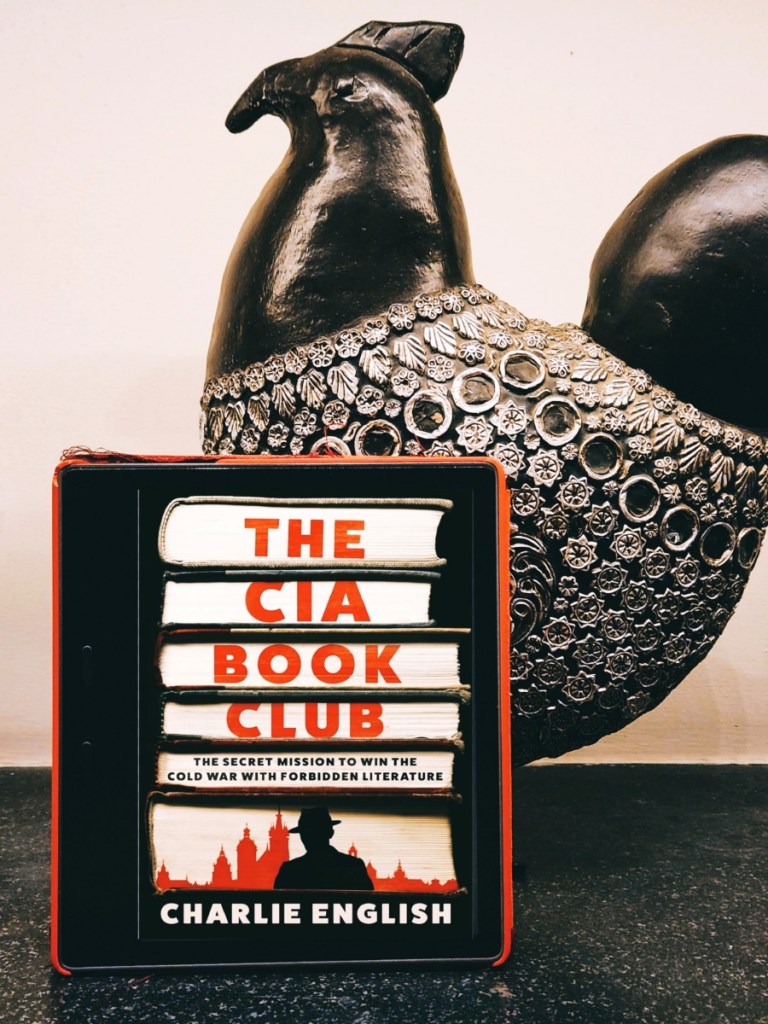
In the times of book bans, it is good to remember what happens when knowledge and ideas are censured. During the Cold War, Poland went behind the Iron Curtain and the way to keep the masses under control was to keep them ignorant. The book talks about how a group of activists inside and outside Poland kept alive a secret printing press to print and distribute literary ideas among the people to combat communist bans on any liberal thought.
Funded largely by the CIA, activists risked their lives and stayed away from loved ones to ensure that factual reports and books of all kinds reached citizens to keep their spirits alive during the oppressive regime. Just another testament to the power of the written word!
The Book of Delights by Ross Gay

I liked the premise of the book. The author handwrites a journal of small things that brought him some joy every day. These entries can be read independently of each other and as a quick snack break on days when you feel heavy. It also inspired me to start my own book of daily delights with my family. Don’t go into this book thinking to get something meaningful out of it. It is just one person’s log of things he found delightful.
Solito by Javier Zamora

This is the author’s story of his treacherous journey migrating from El Salvador to America. His life in his small village might seem idyllic, but his parents have already fled to the States because of the Salvadoran Civil War (funded by the US). Although Javier loves his grandparents, he cannot wait to be with his parents again. And so, as soon as he is deemed old enough at 9 years old, he is handed over to a group of people who will help him get across the border.
It is a difficult read at times, detailing the harrowing journey, especially from a child’s point of view. You feel you are right alongside the author as he traverses the desert or waits in fear of being sent back. It serves as a reminder of the humans behind the political language of ‘migrants, and ‘illegals’.
Also check out my other lists for 2025:
Note: Some links are part of an affiliate program, which means that if you click on a link and buy something, I might receive a percentage of the sale, at no extra cost to you.


 Love, Life, & Beyond
Leave a reply to Still learning the ropes Cancel reply