
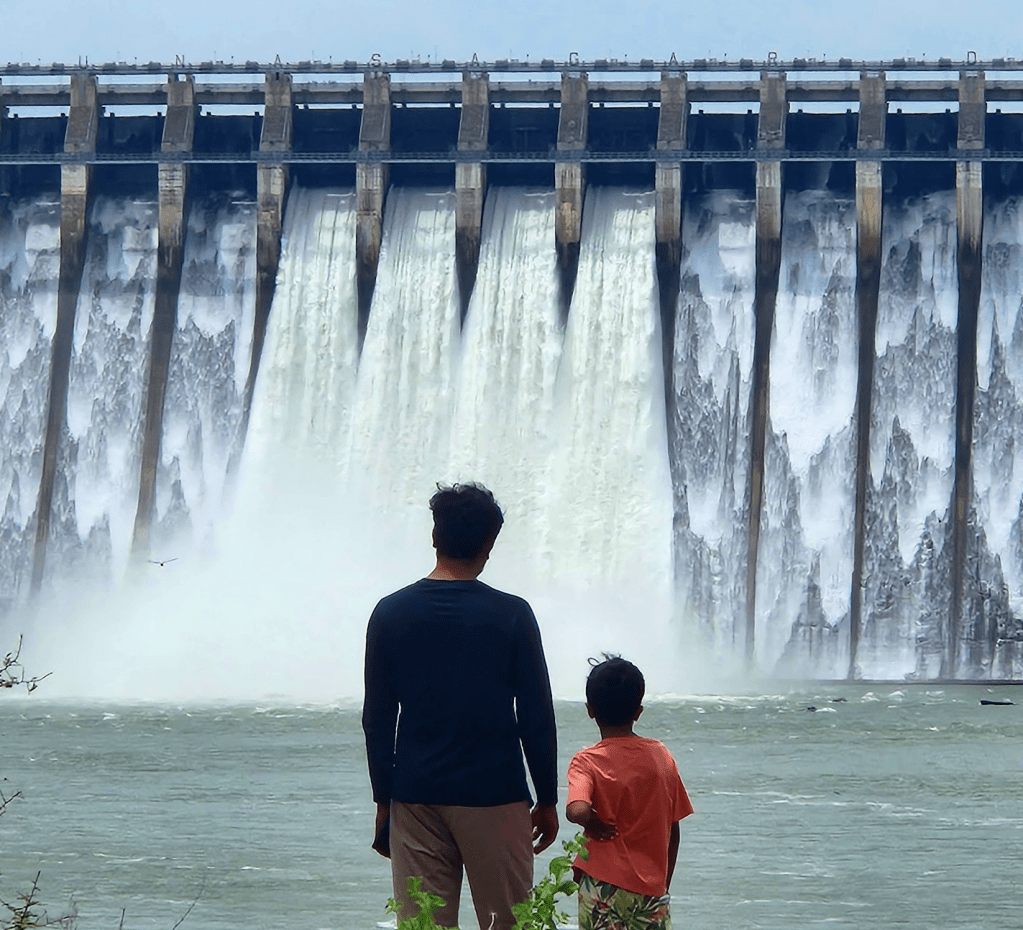
I am one of those who love doing nothing over the weekend. Some weekends are so packed with things to do that you don’t even realise the weekend is over. However, since we had a few days off and the weather was not bad, we thought a quick day trip from Hyderabad would be a good change of scene.
We visited the Nagarjuna Sagar Dam over 20 years ago and thought it would be a good time to go there again with our son. While it’s not overwhelmingly spectacular, it’s a pleasant getaway, ideal for spending quality time with family or friends, far from the usual mall-hopping and screen distractions. The best time to visit is during the monsoon season when the water flow is at its peak.
Though there aren’t many getaway options near Hyderabad, this makes for a decent escape from the city. We have to work with what we have!
Road Trip: Hyderabad to Nagarjuna Sagar
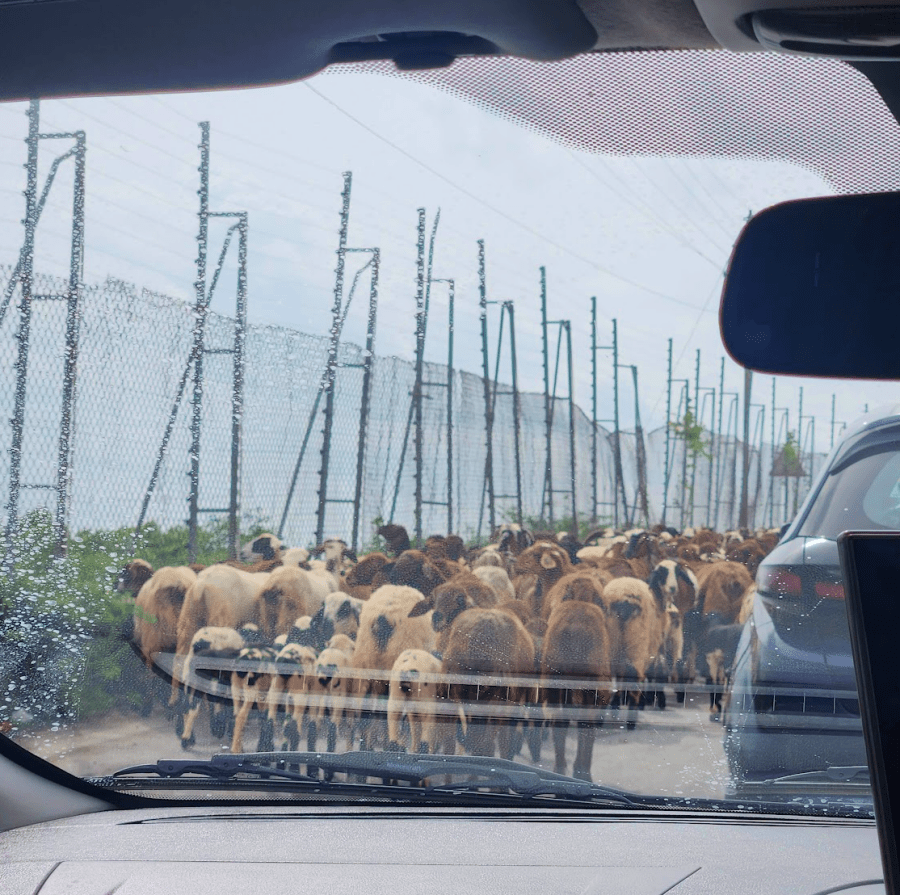
Go via the ORR for a smooth ride. Then, even after you’re off the ORR, the road is smooth and well-maintained—take note, Karnataka! However, there are numerous traffic cones and barricades awkwardly placed as makeshift speed breakers. Navigating them becomes a bit of a guessing game with oncoming cars, as you both try to signal who will cross first. It could get dangerous at night.
On your way to the dam, you’ll pass Buddhavanam. We went there on our return journey, but it’s also a good spot for a restroom break—facilities in the parking area are decently maintained.
Though you’ll pass through a few small towns, they don’t slow down your journey much. The only rough patch was near Ethipothala Falls, where ongoing construction made the road a bit bumpy.
A word of caution when going to Ethipothala Falls: we trusted Google Maps instead of following the signboards. We ended up in a small village, navigating narrow lanes until a helpful local pointed out we were completely off track. We backtracked quickly and set the map to Ethipothala Haritha Resorts instead, which got us to the viewpoint for the falls.
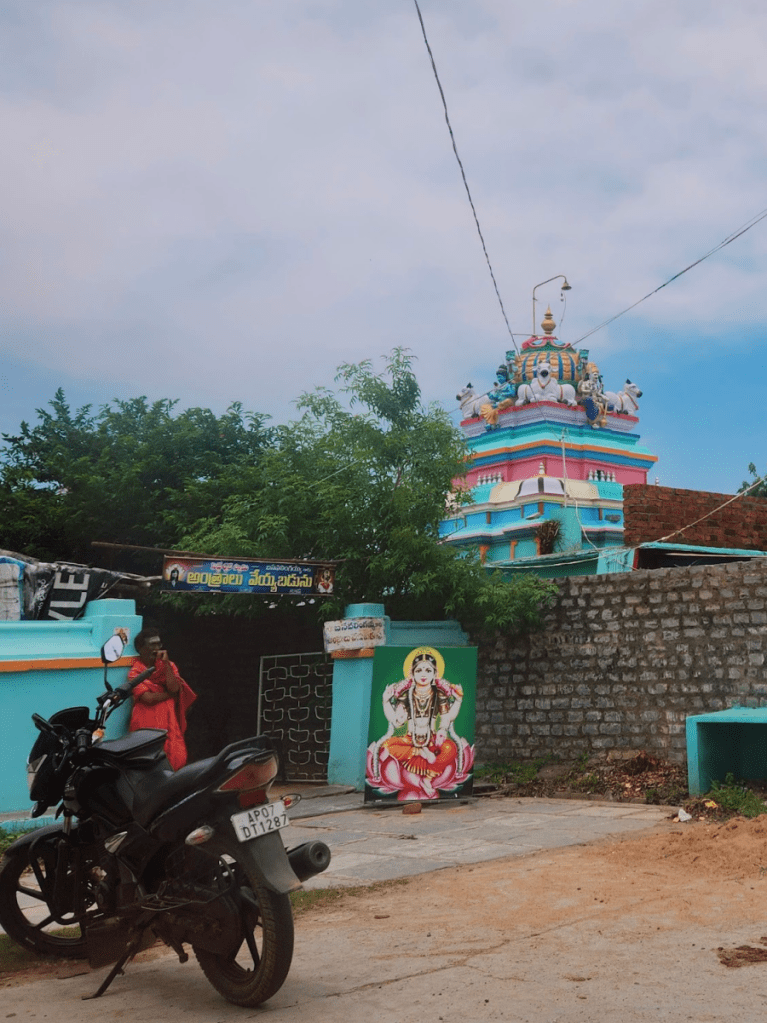
Make sure your PUC is up-to-date, as police in some towns check city cars for some easy money. For those interested, there are plenty of temples along the route to explore.
It took us about 3 hours to reach the dam and another hour to get to Ethipothala Falls.
Nagarjuna Sagar Dam
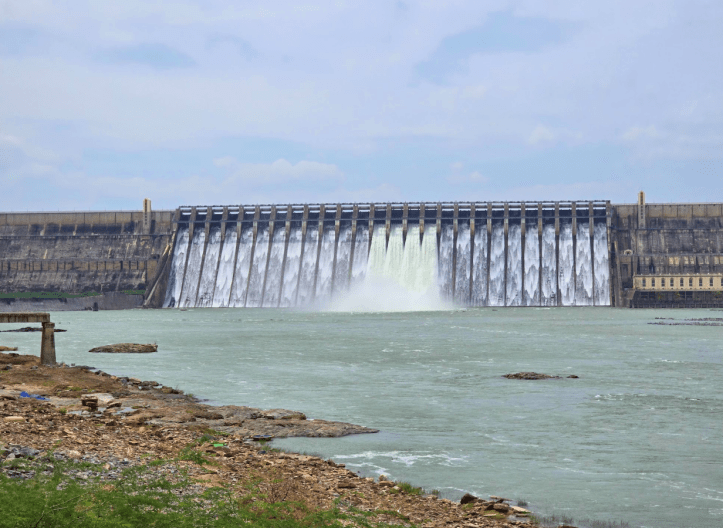
We started seeing the backwaters before we reached the dam, and what a refreshing sight it was. We came up to a small bridge with a great frontal view of the dam. We were hesitant to step out but saw that plenty of people had stopped their cars right there and were taking pictures, so we did, too. The breeze was strong and cool.
The road around Nagarjuna Sagar Dam offers multiple viewpoints along the route. Starting from the bridge, you can catch stunning angles of the dam as you drive further. It’s worth exploring different spots for varied angles.
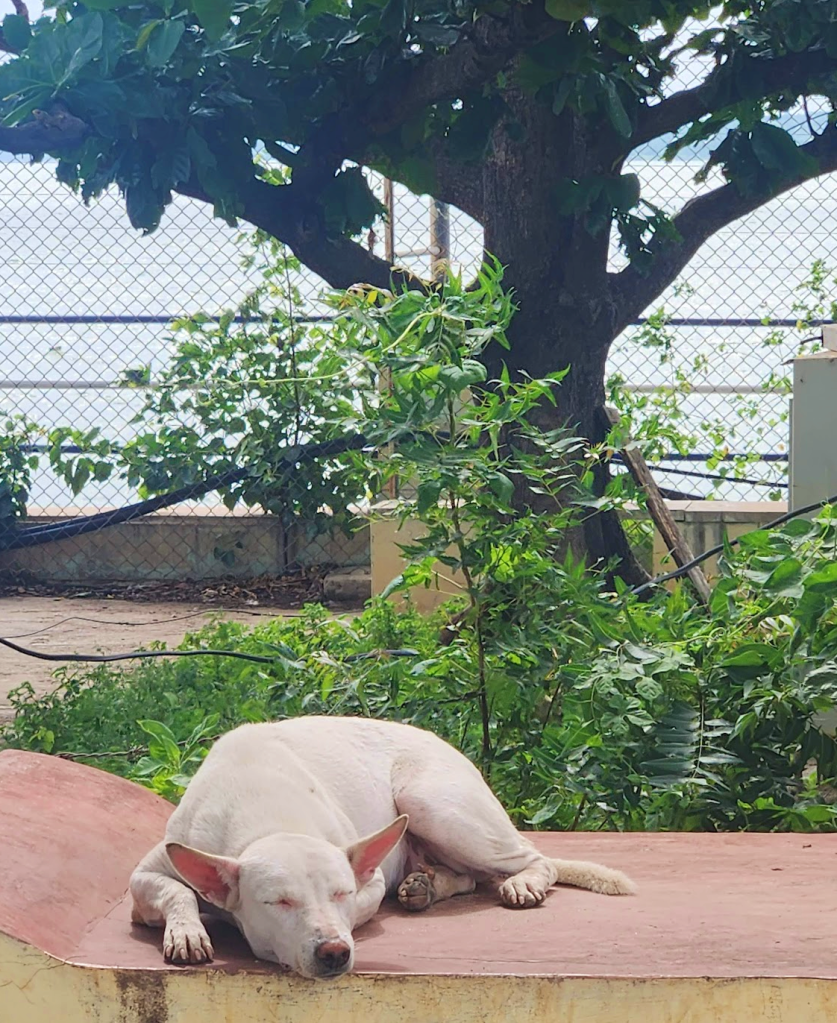
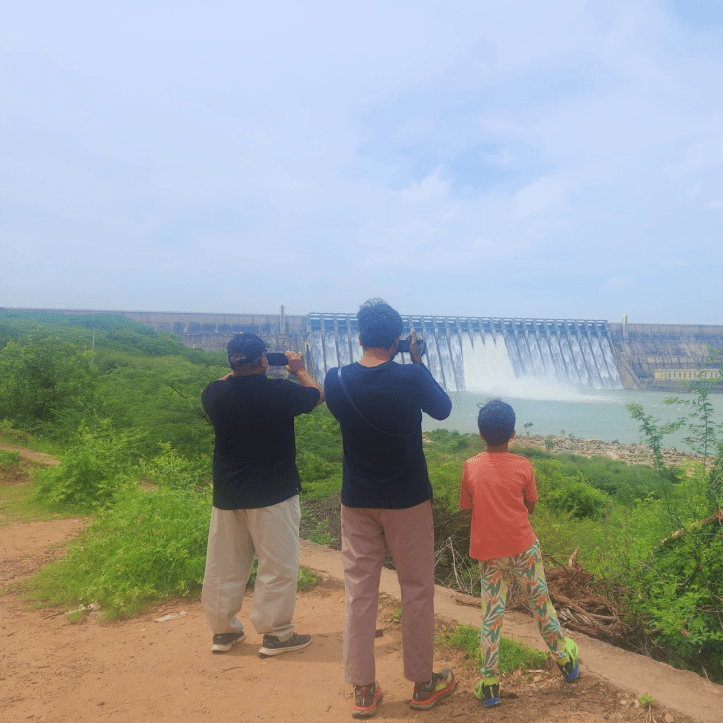
While only four gates were open—less water than we anticipated given last week’s heavy rains—the water force was still formidable. We even turned it into a quick lesson in hydropower for our son.
There is also a ferry that takes you to the island of Nagarjuna Konda. It has a museum which houses an impressive collection of ancient Buddhist artifacts. Set aside around 3 hours for this if you plan to go there. We skipped it. There are signboards leading you to the A.P. Tourism Boating launch spot. The last ferry is at 1:30pm.
Ethipothala Falls
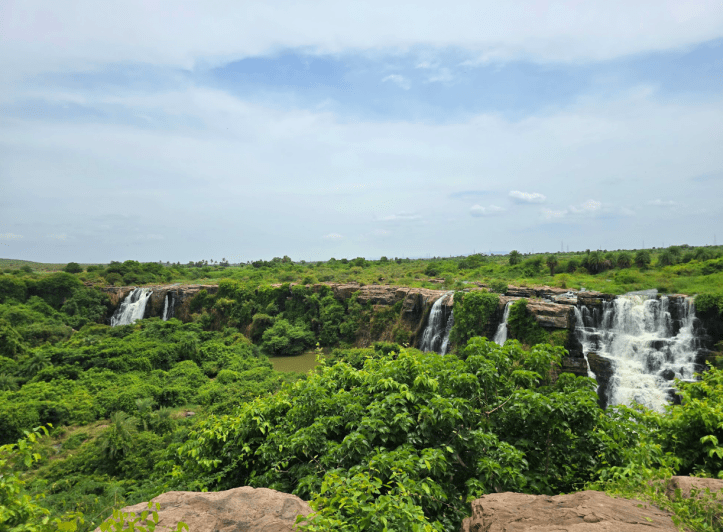
If you’re heading to Ethipothala Falls, don’t rely too much on Google Maps—make your way to the Haritha Waterfall Viewpoint instead. The area has a small garden and a boating option if you’re up for walking down the steps, though you’ll need a group for the boat to operate.
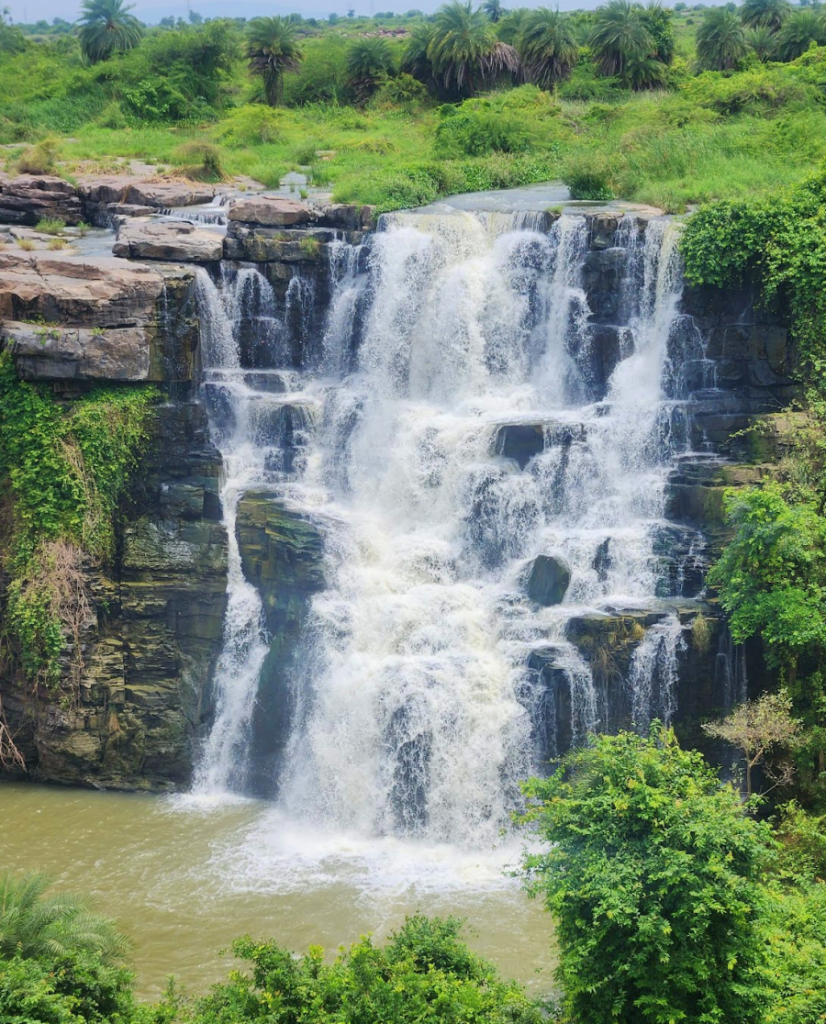
The park offers a pleasant view of the falls. The falls are not particularly high, just about 70 feet.
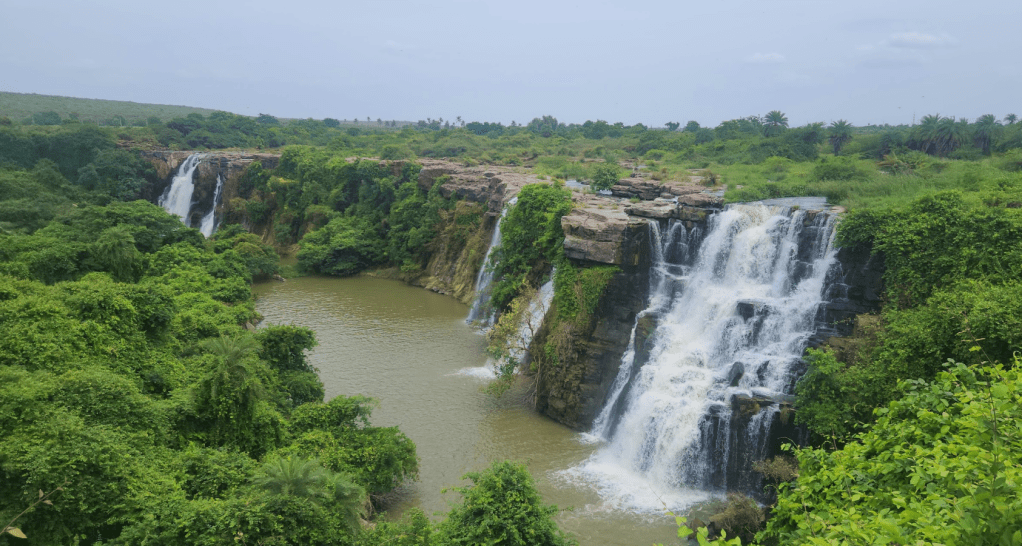
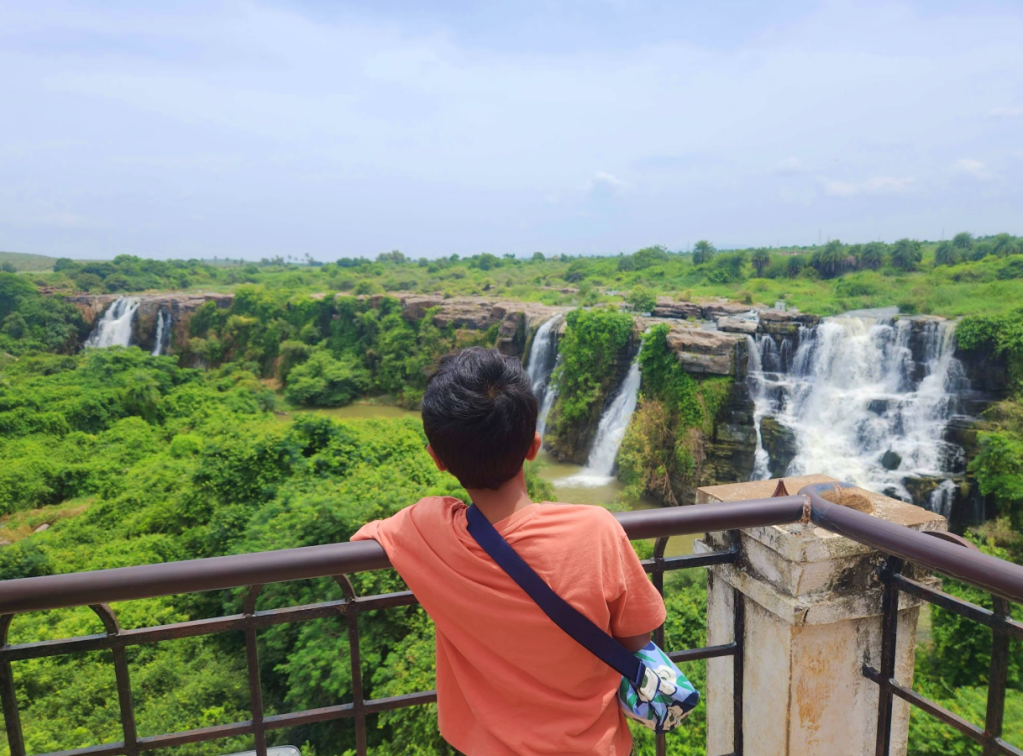
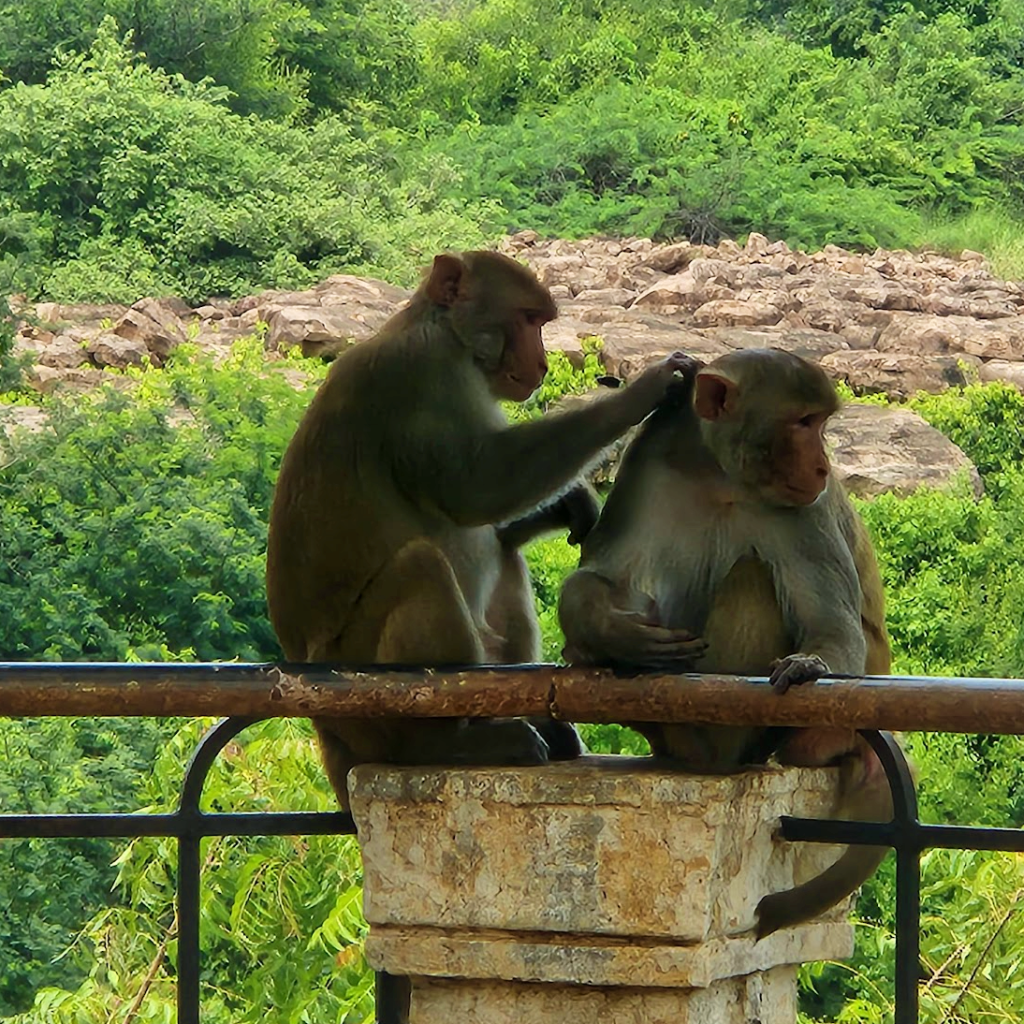
The falls are formed by the confluence of three streams, Nakka Vagu, Tummala Vagu, and Chandravanka Vagu, and are part of the Krishna river basin. Since the water flow is controlled by the dam, they weren’t at full strength during our visit. However, the cool breeze and the peaceful atmosphere made up for it, and since it wasn’t crowded, we enjoyed sitting for a while, watching the playful monkeys nearby.
Some visitors ventured past the safety barricades to get closer to the falls, though it didn’t seem like the safest idea. The place lights up in the evening, but the guard mentioned that it’s not as impressive as it used to be. There’s also a small restaurant, though with very limited options, so plan ahead if you’re hungry.
Watch out for the monkeys in the parking area—they’re quick to snatch food right out of your hands! You’ll need to pay an entry fee per vehicle as you enter the forest area. Then again, at the park, entry fees are ₹30 for adults and ₹20 for kids.

Buddhavanam: A Peaceful Sanctuary
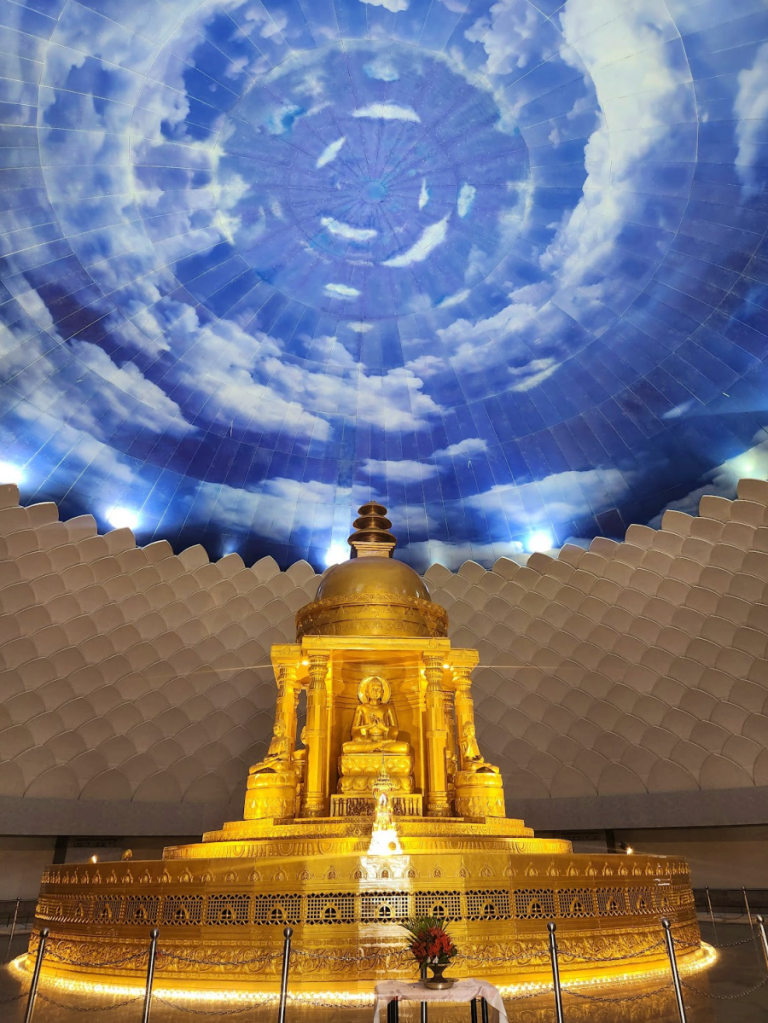
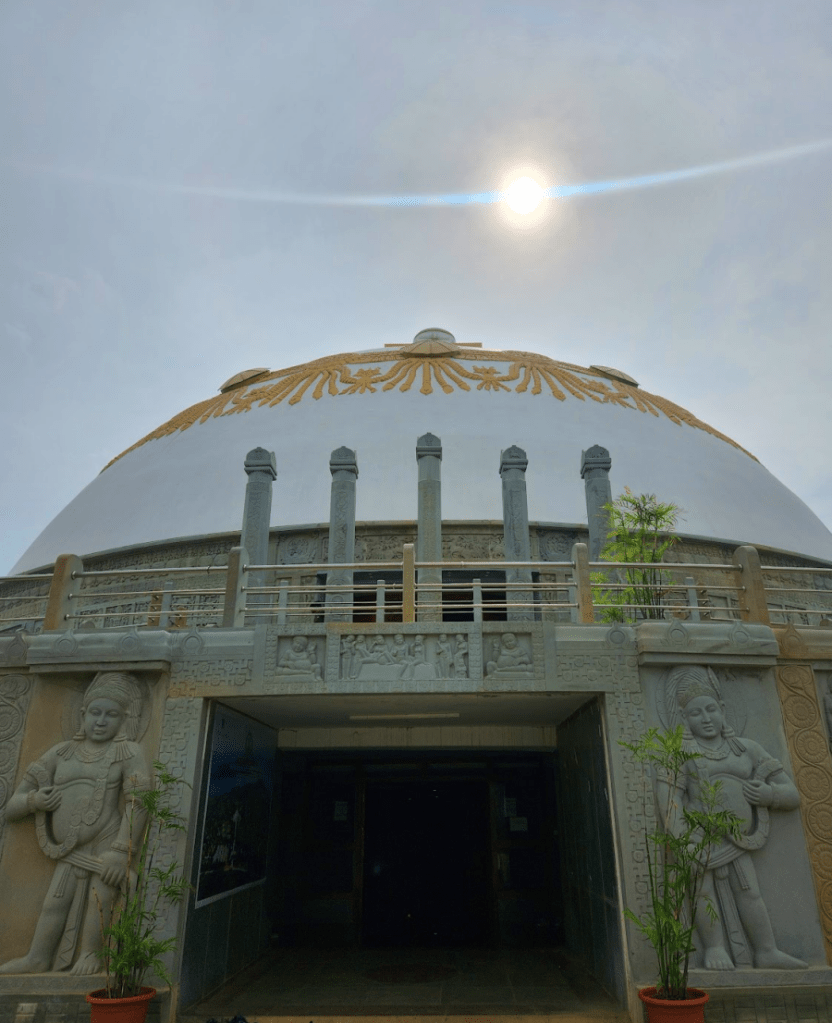

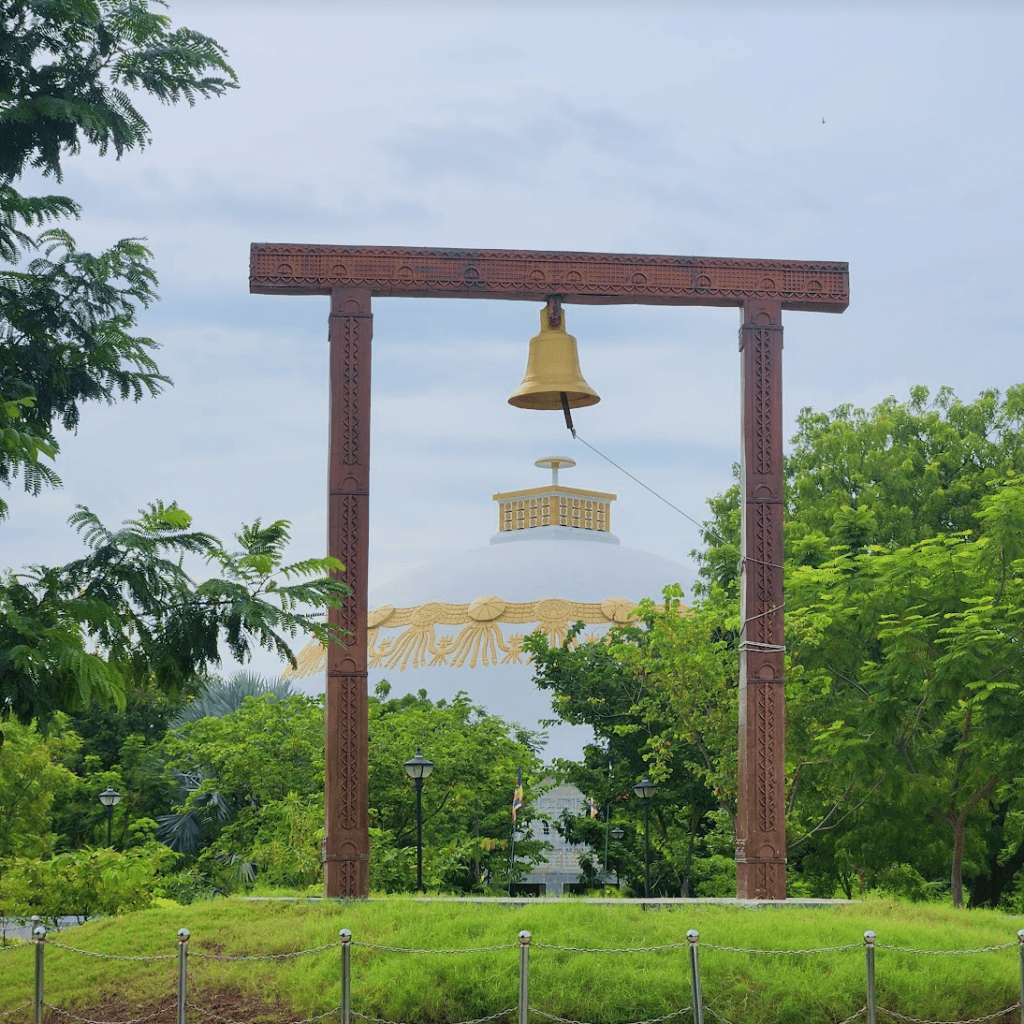
Buddhavanam is a serene spot featuring a stupa and a beautifully designed meditation room. The room’s dome, symbolising the sky, adds a calming ambiance, making it a perfect place to cool down and reflect—unless, of course, some parents let their kids run wild, despite the guard’s repeated requests for quiet.
The central dome has relief work all over with various imagery. Surrounding the stupa is a tranquil walking track adorned with sculptures depicting the life of Buddha. Benches are thoughtfully placed along the path, allowing visitors to sit, relax, and enjoy the gentle breeze. It’s a peaceful escape from the busyness of daily life.

The entry fee for adults is ₹100 and ₹50 for kids. There is an electric cart at an extra charge to take you around in case you are unable to walk.
What to Eat on Your Nagarjuna Sagar Trip
After getting off the ORR, you’ll find a few tiffin spots and plenty of tea stalls along the way. As you get closer to the dam, roadside eateries start to appear. Hotel Siddhartha, located next to Buddhavanam, is one of the larger restaurants in the area.
We chose to eat at Tiger Valley Restaurant near the dam. The food was on the spicier side but decent overall. For the best experience, stick to basic dishes like rice or biryani—even our son enjoyed the dal! The restrooms were clean and usable, which was a plus.
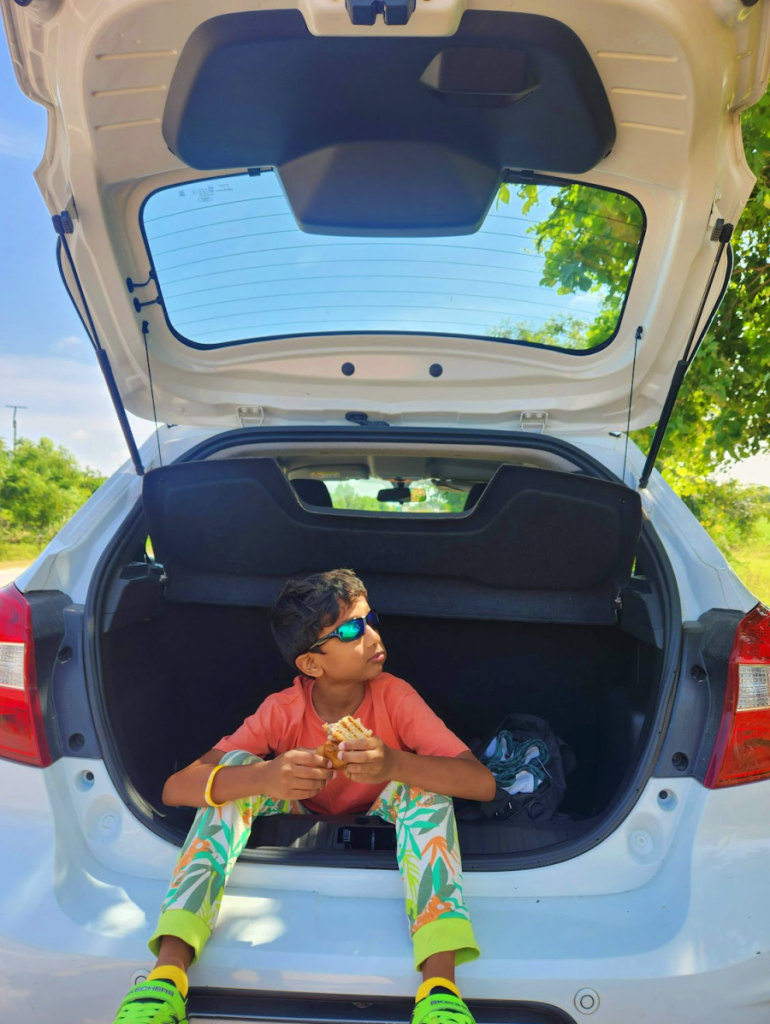
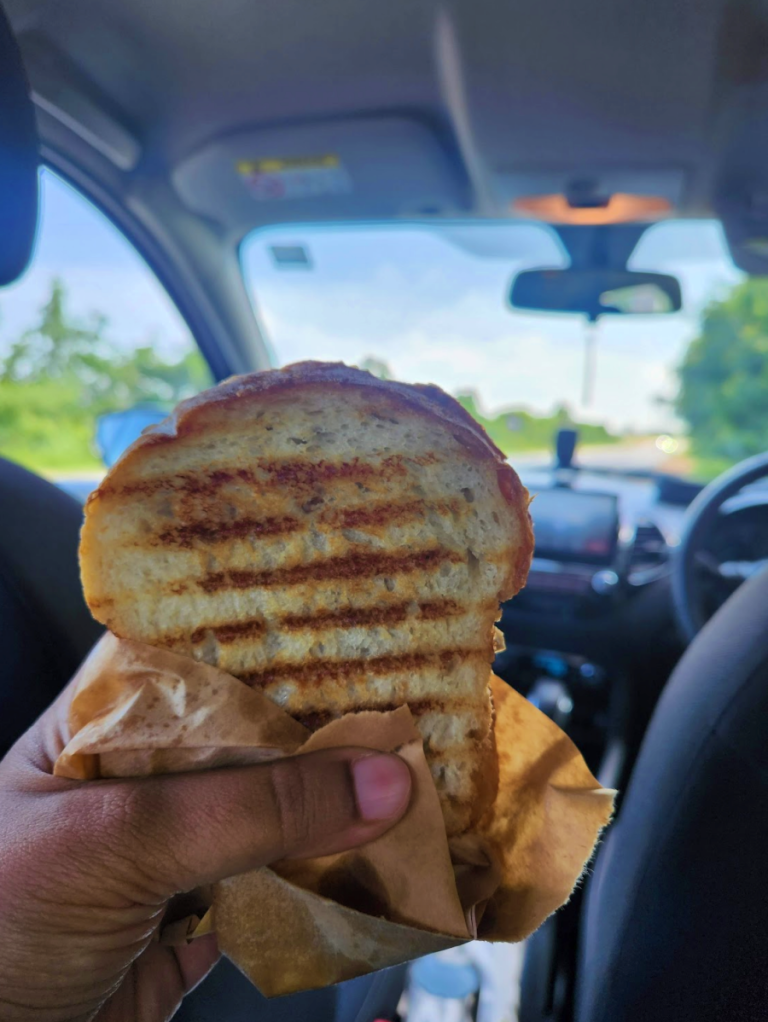
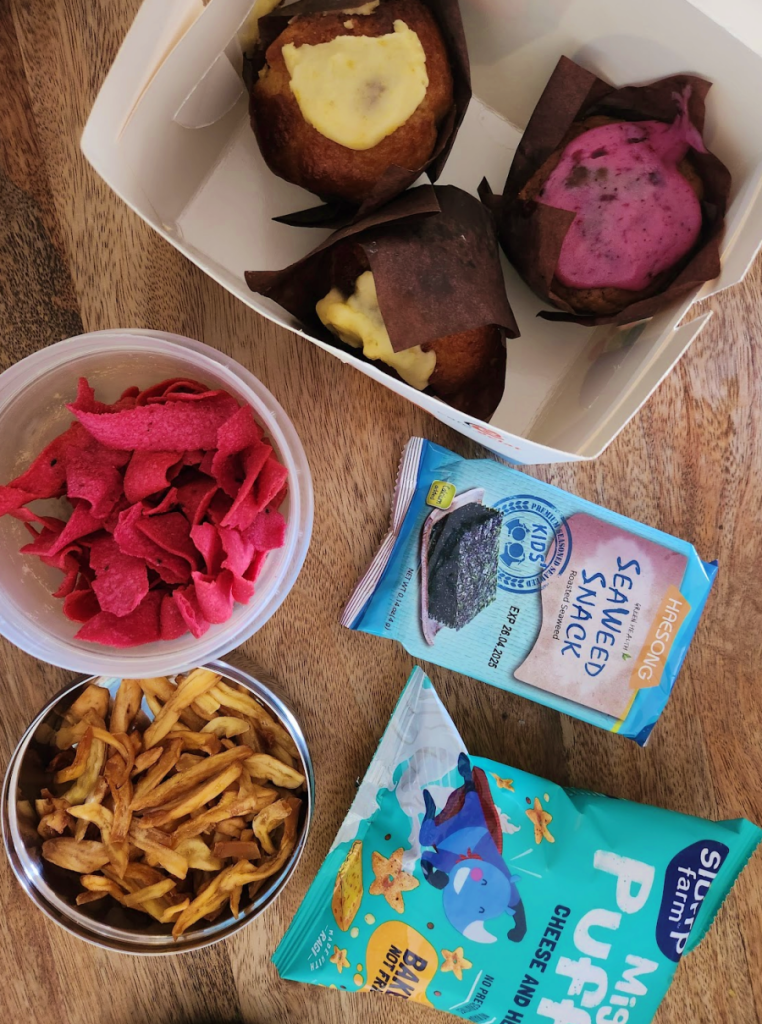
We also packed plenty of food for the journey—grilled sandwiches, poha, snacks, fruits, and coffee, which made the drive more enjoyable.
If the weather is pleasant, consider packing a picnic, curating a playlist, and just enjoying a leisurely drive on your own or with friends and family!
Brief History of Nagarjuna Sagar Dam
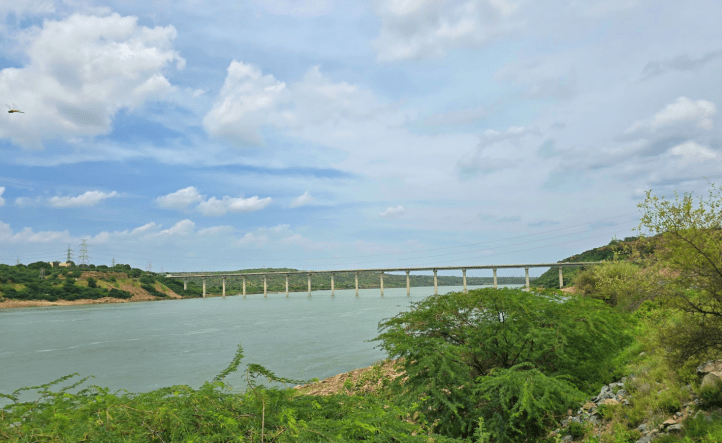
The dam takes its name from the nearby hill and island of Nagarjuna Konda, a site rich in ancient Buddhist history.
The construction of Nagarjuna Sagar Dam began in February 1956, though progress was delayed due to the lack of modern equipment. As a result, the dam was built using stone rather than concrete. A cement factory was established near Macherla to supply materials for the project. By 1972, the dam was fully completed with the installation of its 26 crest gates.
Standing 124 metres high and stretching over 1,450 metres in length, the dam features one of the largest canal systems in the world. Its two main canals, the left and right, provide water from the reservoir to vast agricultural areas. The lake formed by the dam is the third-largest manmade lake globally.
Nagarjuna Sagar is one of India’s earliest and most significant irrigation and hydroelectric projects, supplying water to over 1 million acres of farmland across Nalgonda, Prakasam, Khammam, and Guntur districts.



 Love, Life, & Beyond
Leave a comment