
I know Pride Month just got over, and every brand has bombarded your social media feed with colourful rainbows for the last few weeks. If you’re tired of all the rainbow washing and lip service, turn to some fabulous books written about, for, or by the LGBTQ+ community.
Literature has always been a powerful tool for representation and understanding. For the LGBTQ+ community, books have been a way to see themselves reflected in the world, to find community, and to learn about different experiences.
In recent years, there has been a surge of LGBTQ+ books being published, and the quality of these books has never been better. They showcase stories that celebrate the rich diversity of human experiences. These books have provided much-needed representation for marginalised communities and have served as powerful tools for educating, enlightening, and fostering empathy among readers.
I wanted to highlight some of the best LGBTQ+ books in various genres I have encountered in my reading experience. These stories are either about LGBTQ+ people or have been written by them. Have you read any of these books?
Why is it important to read LGBTQ+ books?
A few years ago, I realised how diversity-devoid my reading shelf was. This started me on a journey to read more books by people of diverse cultures, countries, and experiences.
Most books I had read only focussed on cis-gendered heterosexual characters, and everyone else was pushed to the sidelines. However, there are shelves of books that talk about the LGBTQ+ experience. These books can help to increase our understanding and acceptance of LGBTQ+ people. When people read about the experiences of LGBTQ+ people, they can begin to see that these experiences are just as valid and vital as their own.
Additionally, LGBTQ+ books can be a source of comfort and validation for readers from that community. When young people see themselves reflected in the books they read, it can help them to feel less alone and more accepted. These books can also help young people to learn about different aspects of LGBTQ+ life, such as coming out, relationships, and discrimination.
Apart from their cultural significance, these books can be simply entertaining and enjoyable. There are many great LGBTQ+ books that are well-written and engaging. These books can provide readers with a sense of escape and allow them to explore different worlds and experiences.
These books from my reading shelf have given me a deeper insight into a world that was unknown to me.
Best LGBTQ+ Fiction Books
Razorblade Tears by S.A. Cosby:

Two fathers, one Black and one White, who did not accept their sons’ marriage when they were alive, get together to hunt down their killers. The story deals with sensitive topics such as race and acceptance wonderfully.
This House of Clay and Water by Faiqa Mansab:
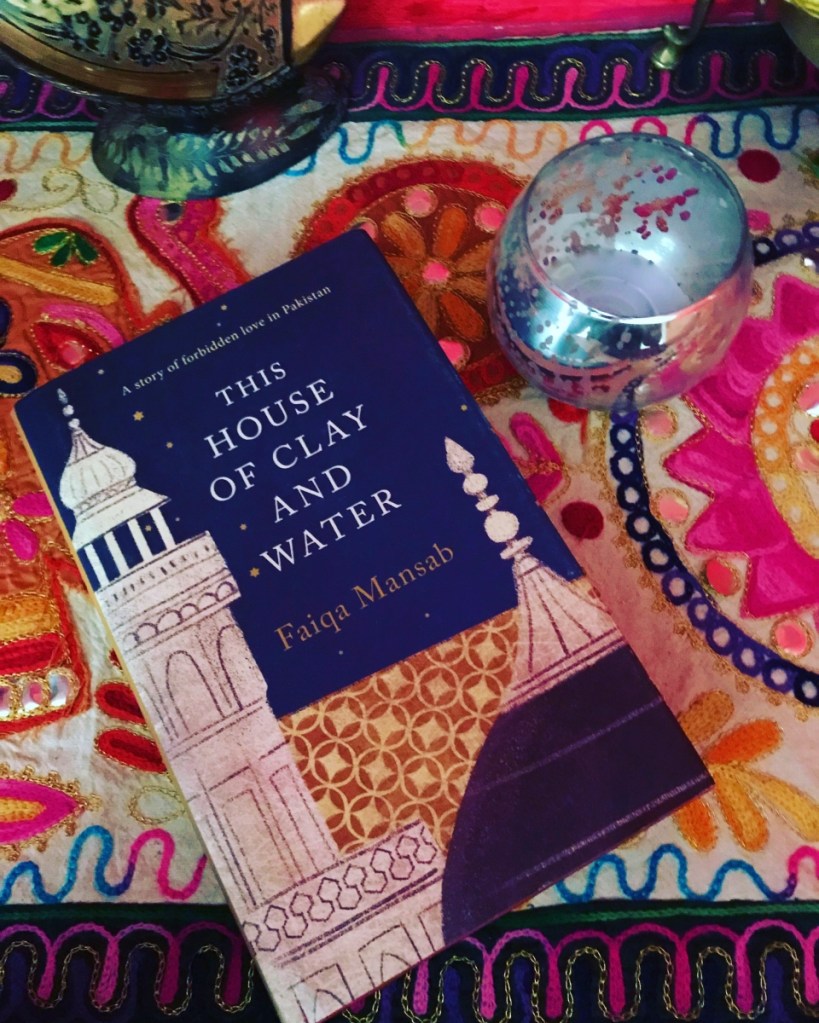
This is a captivating novel that explores the lives of three diverse women in contemporary Pakistan. The story intertwines the narratives of Nida, a wealthy housewife trapped in an oppressive marriage; Sasha, a transgender dancer seeking acceptance and belonging; and Bhanggi, a spiritually inclined masseuse haunted by her past.
A Little Life by Hanya Yanagihara:
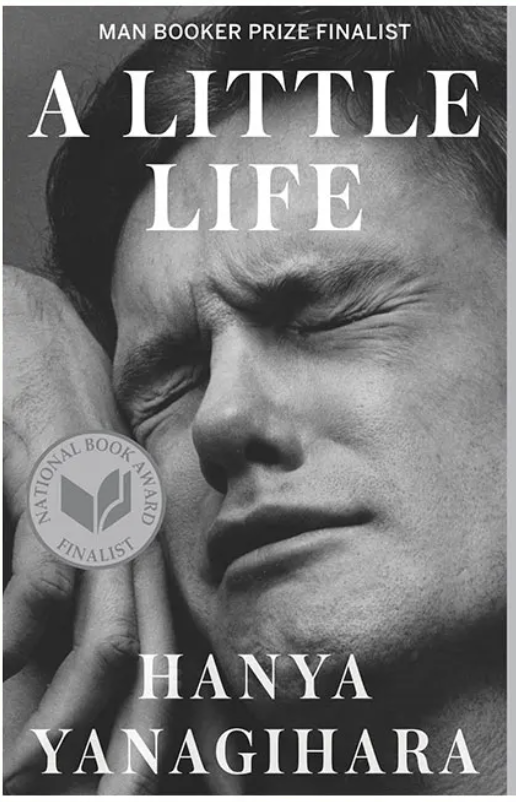
This is one of the saddest books I’ve ever read. The pain of abandonment, abuse, and living just half a life is felt on every page. The story follows Jude, Willem, Malcolm, and JB as they navigate the complexities of adulthood and grapple with their pasts. Although the book is brutal in its descriptions of suffering, it also gives a touching portrayal of resilience, friendship, and human connections.
Ministry of Utmost Happiness by Arundhati Roy:
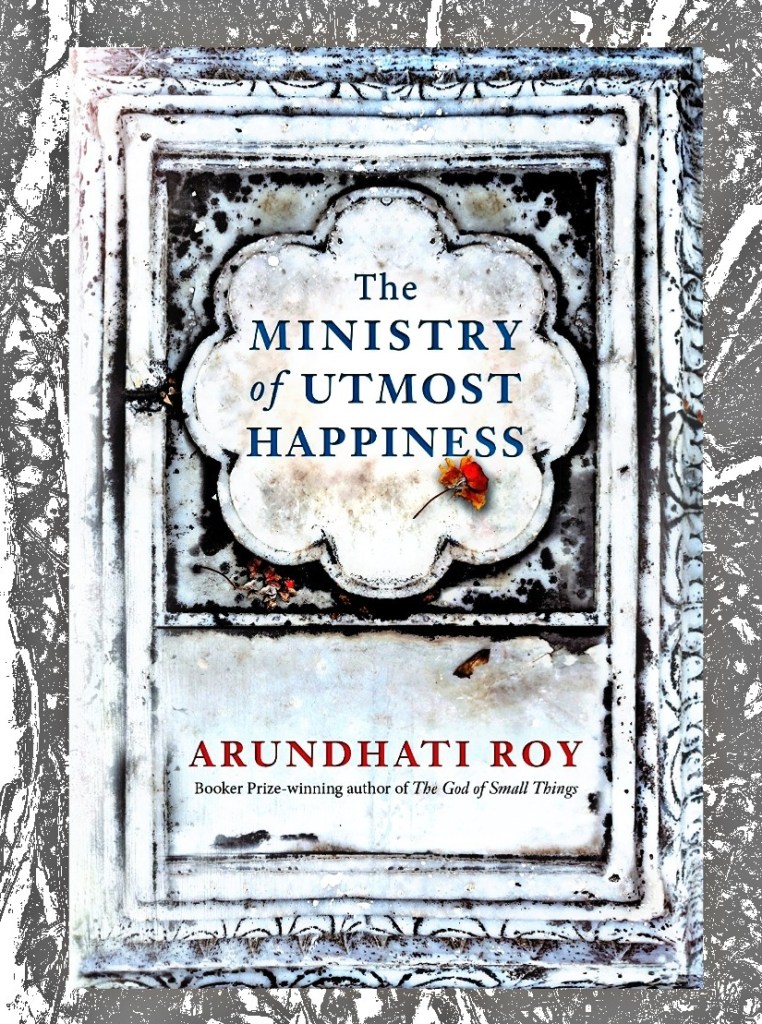
This book is one of the first ones I’ve read that gave me a better understanding of the lives of the Hijra community in South Asia. The novel follows the lives of multiple characters whose paths intersect and intertwine, including Anjum, a transgender woman living in a graveyard; Tilo, a politically engaged woman with a mysterious past; and a range of other vibrant individuals. Through their stories, Roy explores themes of identity, love, loss, and the struggle for social justice.
Call Me By Your Name by Andre Aciman:
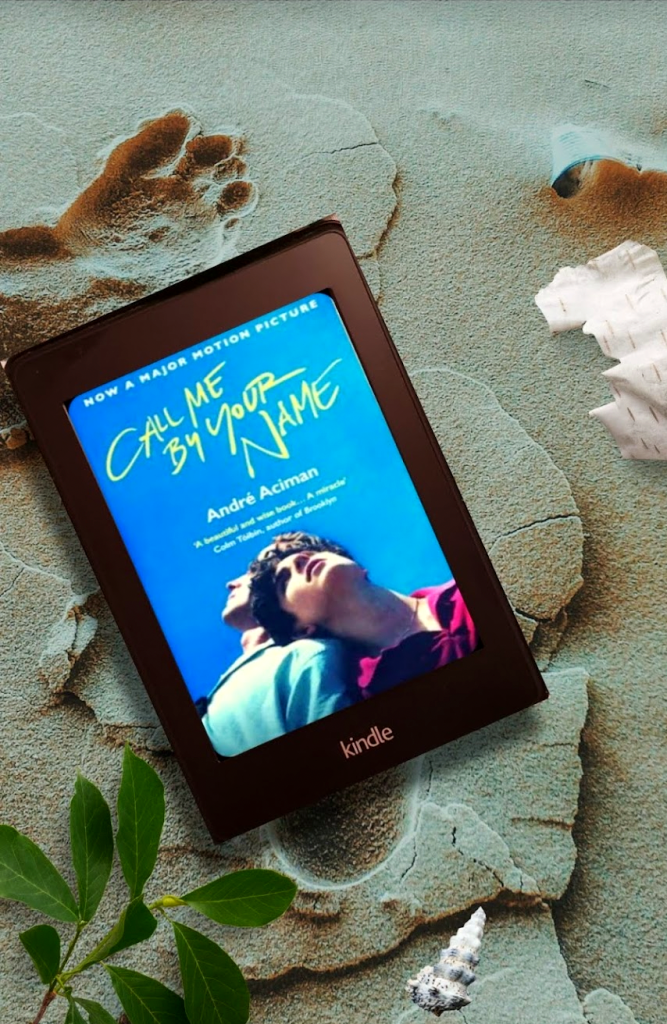
A coming-of-age novel where a young boy discovers his desires and sexuality. The longing of someone who cannot express his love in a society that wouldn’t understand it is heartbreaking. It is beautifully written, and you can feel the angst and passion of first love bursting through every page.
The Line of Beauty by Alan Hollinghurst:

This is a relatively slow novel where things happen in the background. It explores the intricacies of class, sexuality, and the political landscape of 1980s Britain. We follow the life of Nick Guest, a young gay man from a middle-class background, as he navigates the upper-class world of the Feddens, a wealthy and influential family. He talks about the complexities of sexuality and the challenges faced by gay individuals in a society that is prejudiced and hypocritical while searching for intimacy and acceptance.
Shuggie Bain by Douglas Stuart:

Set in 1980s Glasgow, Scotland, it tells the story of a young boy who is growing up in poverty with an alcoholic mother. It explores themes of addiction, poverty, and homophobia, and it has been praised for its powerful writing and its unflinching portrayal of a difficult childhood. It is a heart-wrenching look at the lives of people who are struggling to survive.
Funny Boy by Shyam Selvadurai:
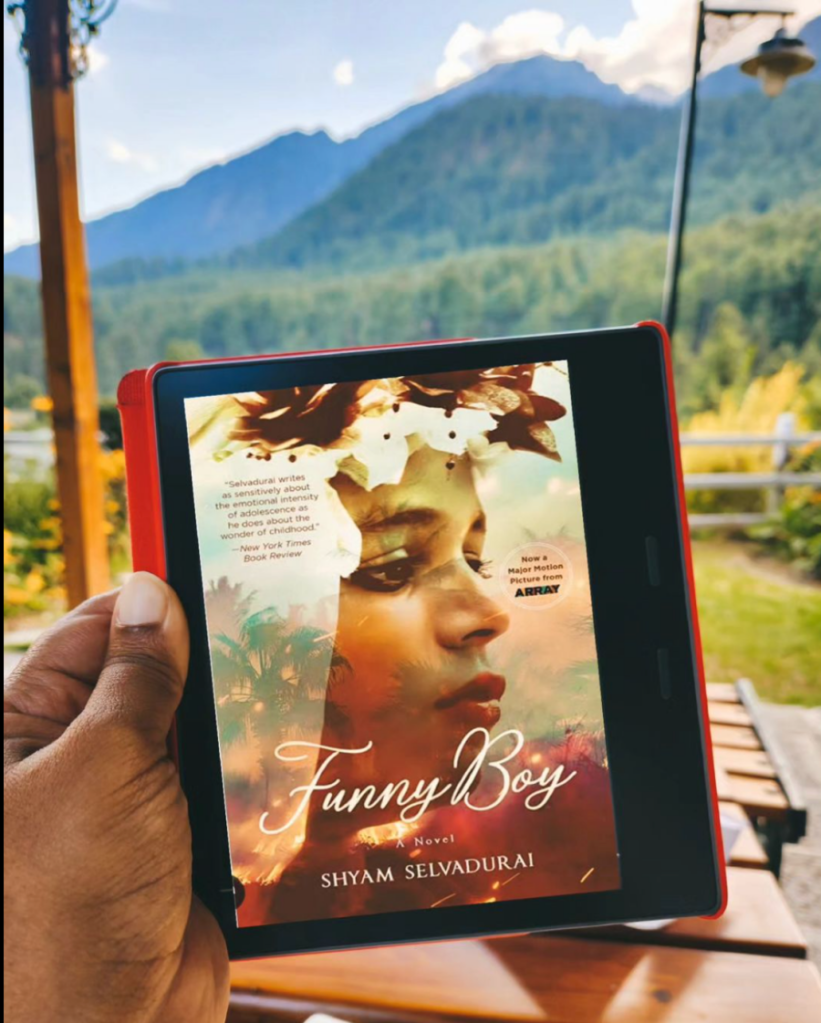
This coming-of-age novel is set against the backdrop of Sri Lanka’s political and social tensions during the 1970s and 1980s. We follow Arjie as he explores issues of identity, sexuality, and the complexities of navigating societal expectations. The intricacies of Arjie’s experiences as he grapples with his emerging queer identity in a conservative and restrictive environment are narrated beautifully. You can feel the heartbreak of a child who doesn’t understand why his elders punish him for not wanting to be like the other boys, or the pangs and guilt of his first sexual encounter.
Best LGBTQ+ Fantasy Books
The Picture of Dorian Gray by Oscar Wilde:
The author’s wit and talent are evident in all his written works and anecdotes. As a homosexual man living in an era when it was a crime, his biography is also enlightening. This particular book is widely referenced for its unique story and a hint of homosexuality. The story delves into the dark side of human nature and the pursuit of aesthetic perfection as we follow Dorian Gray, a young man who remains eternally youthful and handsome, while a portrait of him ages and reflects the corruption of his soul. Wilde creates a vivid and atmospheric setting, immersing readers in Victorian society’s decadence and moral decay.
The House in the Cerulean Sea by T.J. Lune:
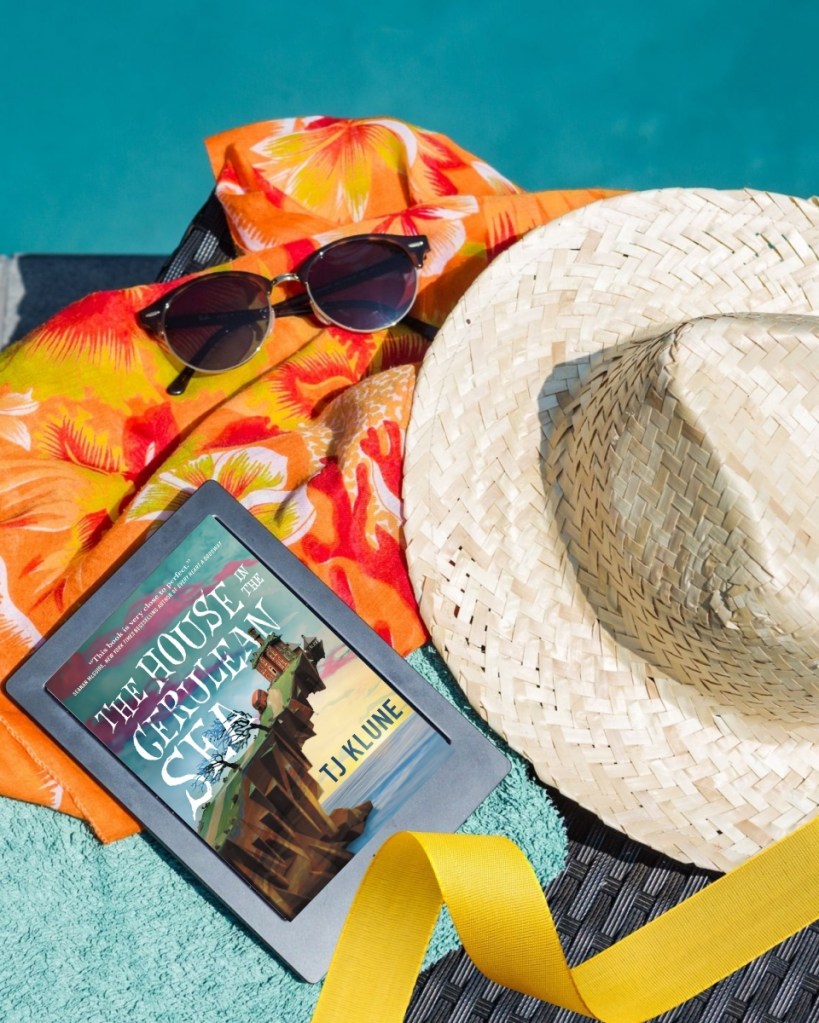
With minor changes, this could be a story we tell to kids about the importance of acceptance and love for people who don’t always fit into our ideas of what is normal. The characters in the school are adorable but kept apart from the regular population for ‘their own safety’. The town then realises the futility of segregation and the beauty of living in harmony.
The Priory of the Orange Tree by Samantha Shannon:
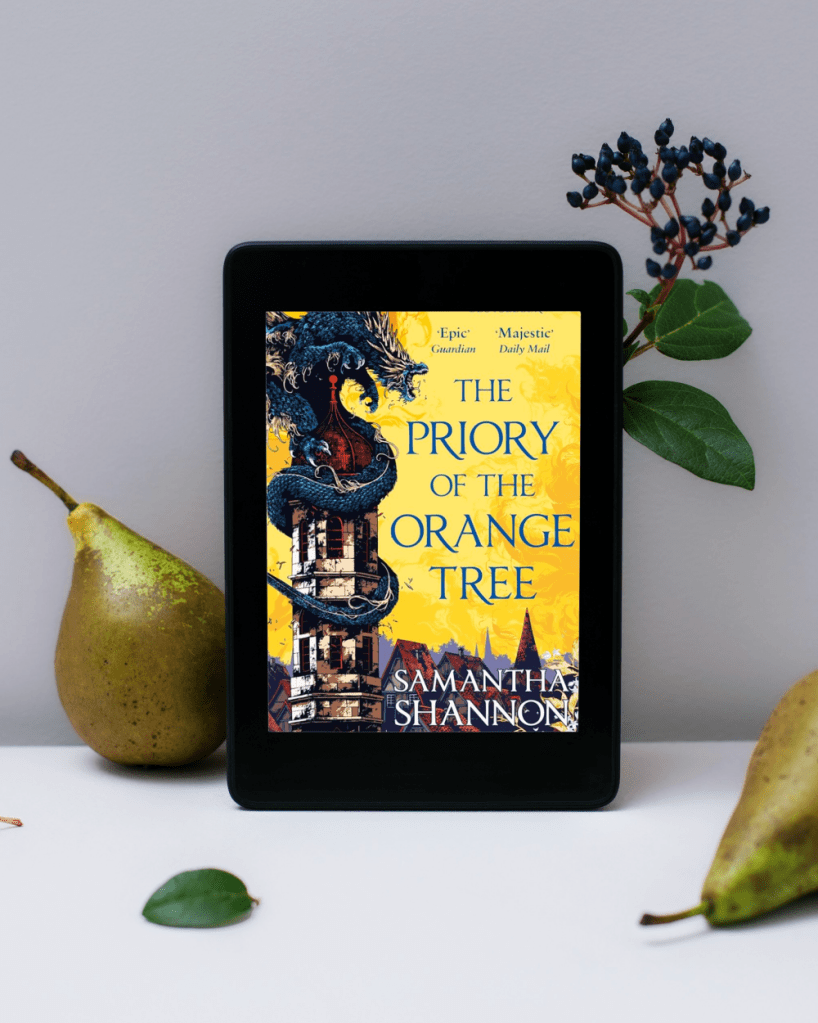
What I loved about this the most was how seamlessly diverse the characters are without any fuss being made about the fact. The story and world-building are so engrossing that this tome of a book was finished in a breeze. It is a richly imagined world of dragons, political intrigue, and ancient prophecies spanning continents and weaving together multiple perspectives. The female-driven narrative challenges traditional gender roles and provides a refreshing perspective on power dynamics.
Six of Crows Duology by Leigh Bardugo:

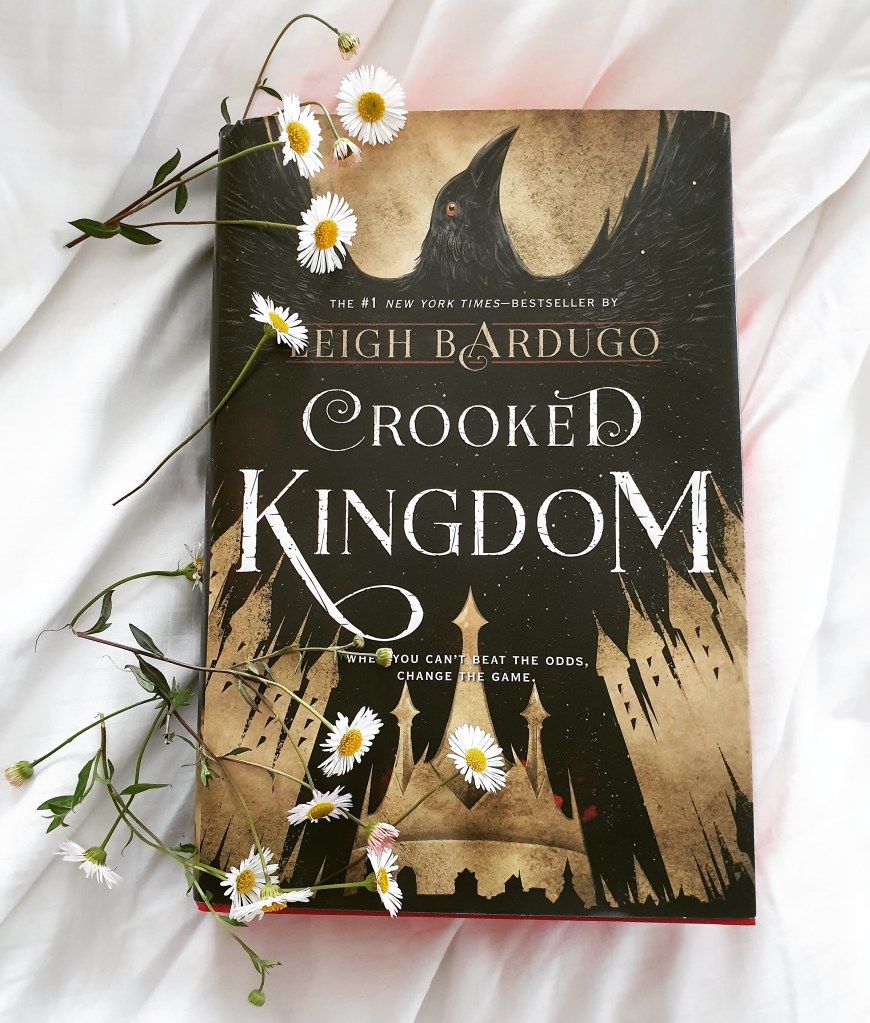
There are multiple books in the world that Bardugo has created, and this is just one of the series. The books and the Netflix series based on these books are wonderfully diverse. Even in an imagined world, there’s some hesitation in coming out of the closet, but the transition is handled well. The story is also exciting, filled with magic, a band of thieves, and love brewing beneath the surface.
She Who Became the Sun by Shelley-Parker Chan:
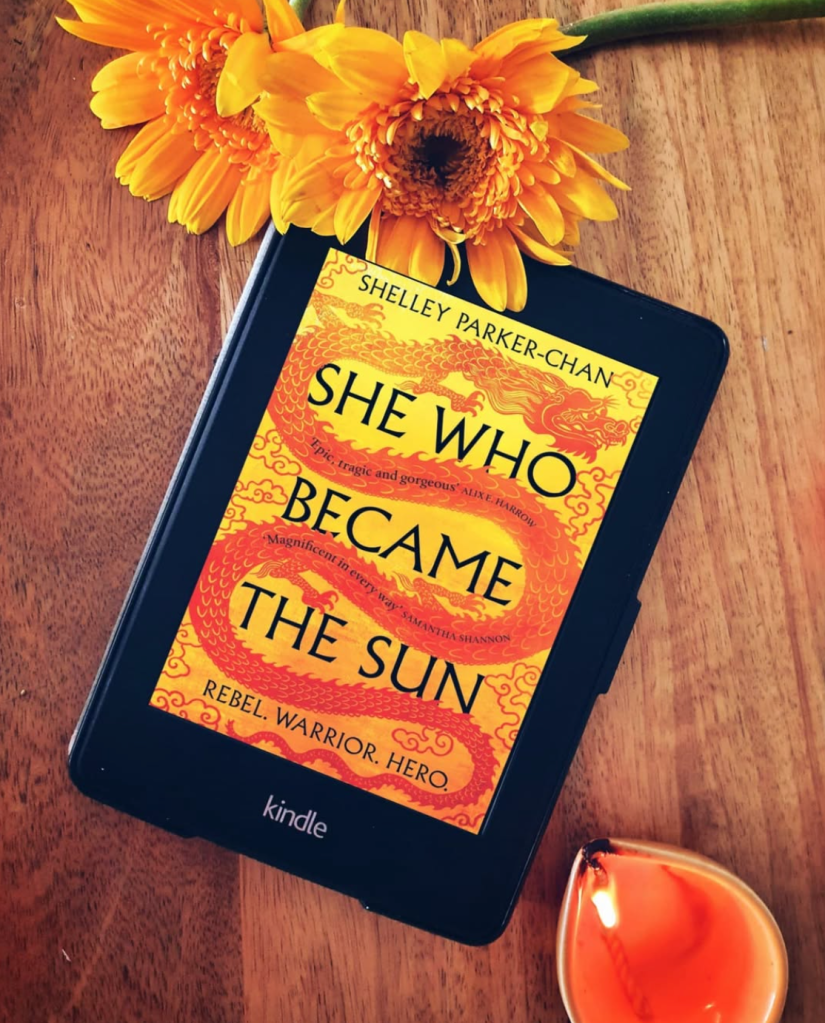
This historical fantasy follows the life of a peasant girl, Zhu, who has to live as a man after her family’s death. As she progresses in life, she gains much power through political intrigue and is intoxicated by it. She later marries a woman she falls in love with, who is also left at the mercy of society’s expectations of a woman. The book’s theme deals with gender and the quest for personal significance in a patriarchal society.
Best LGBTQ+ Non-Fiction Books
Hunger by Roxane Gay:
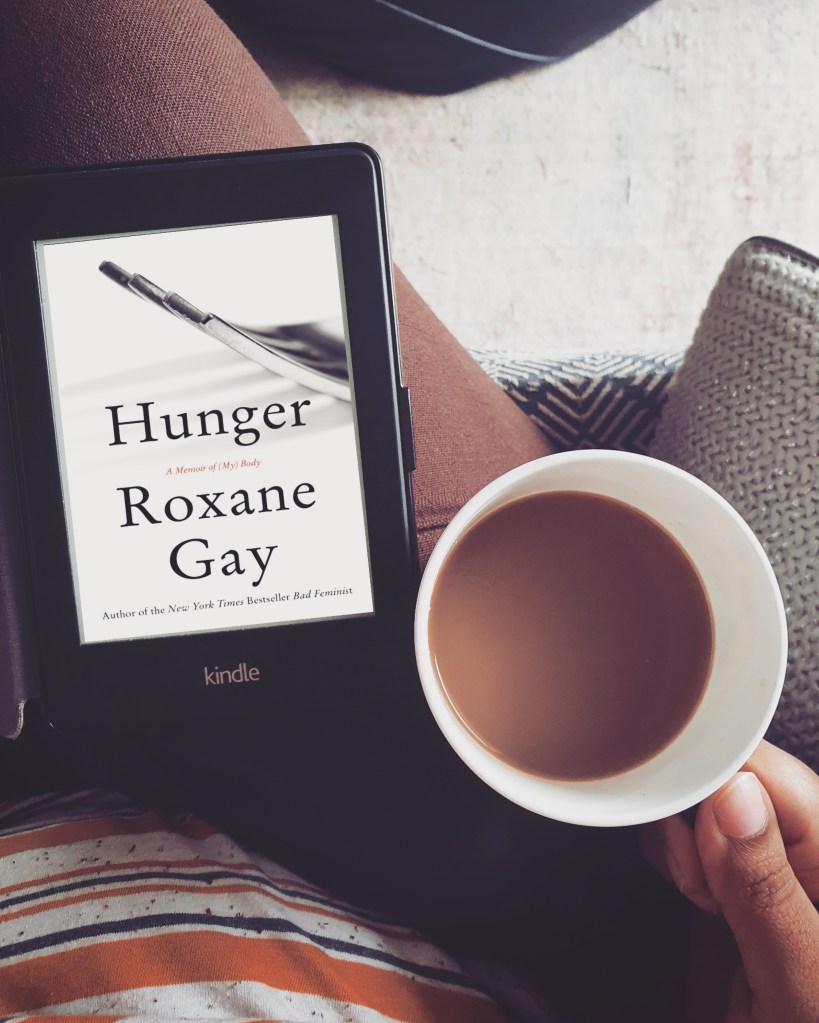
Roxane is a bisexual woman and outspoken regarding topics of gender, race, and sexuality. This deeply personal memoir delves into her experiences as a woman living in a world that scrutinises and judges bodies, particularly those that don’t conform to societal expectations. She bravely shares her struggles with weight, body image, and the trauma that led to her using food as a coping mechanism. Her other books and her Twitter feed are also reading gems!
Truth About Me: A Hijra Life Story by A Revathi:
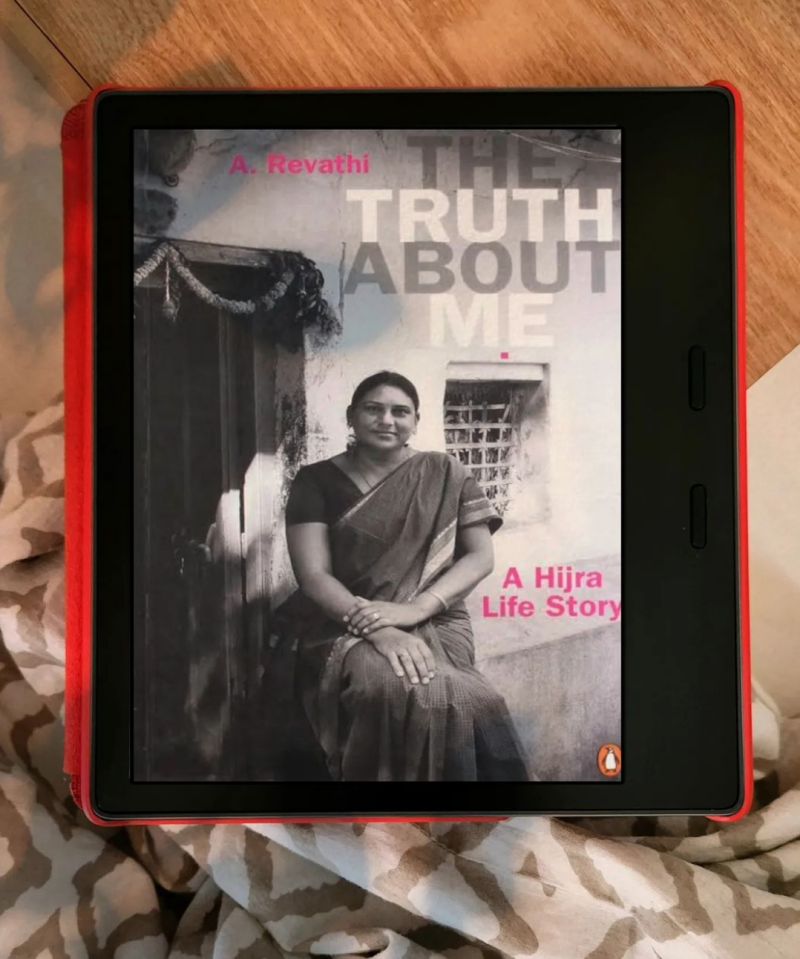
I have grown up seeing people from the Hijra community in India begging on the streets and often the butt of jokes and ridicule. This honest memoir is about how a boy born in a small village in India did not feel comfortable in his body till he saw other men dressing up as women and finally understood what was missing in his life. She talks of the complexities of gender identity, societal prejudices, and the quest for self-acceptance at all stages of her life. She explains the communal structure of the Hijra community and talks about her life, challenges, and societal norms regarding the intersection of gender, identity, and social justice.
Unbearable Lightness: A Story of Loss and Gain by Portia de Rossi:
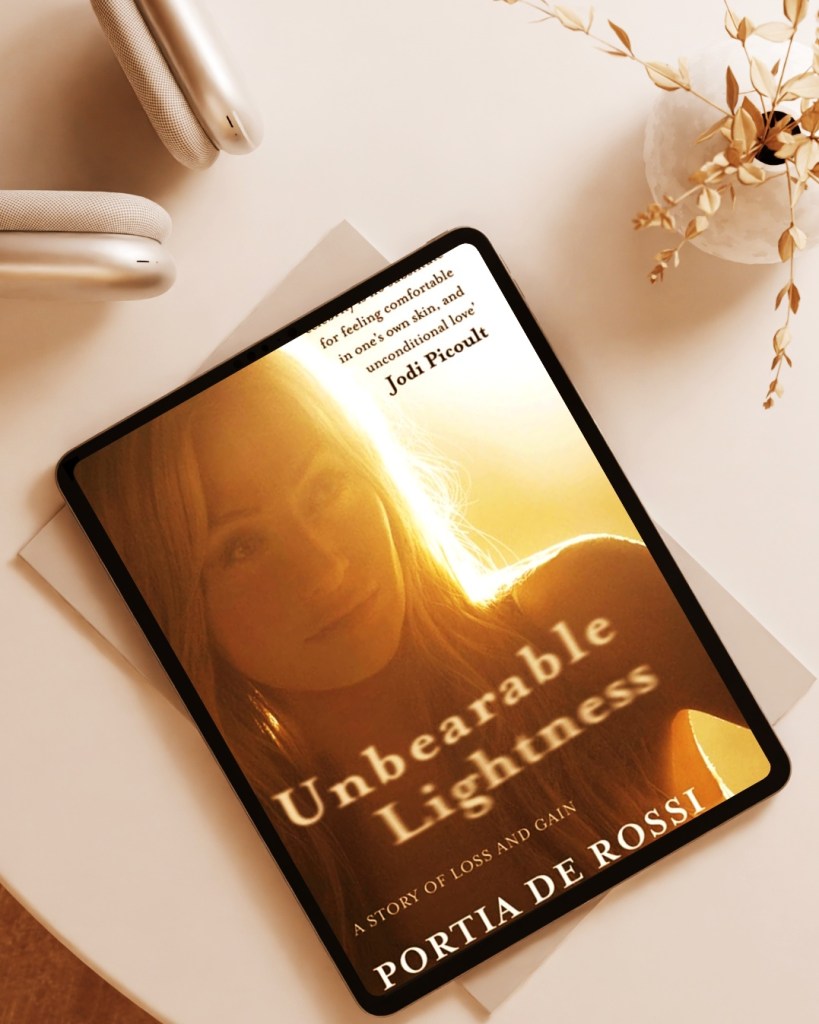
This memoir explores her struggles with body image, eating disorders, and the pressure to conform to societal beauty standards, especially in the entertainment industry. She details her journey from being paranoid about her weight and sexuality to self-acceptance and healing. She also talks about having to hide the fact that she was a lesbian lest she gets cancelled in the entertainment industry till she was outed by the media.
Moab is My Washpot by Stephen Fry:
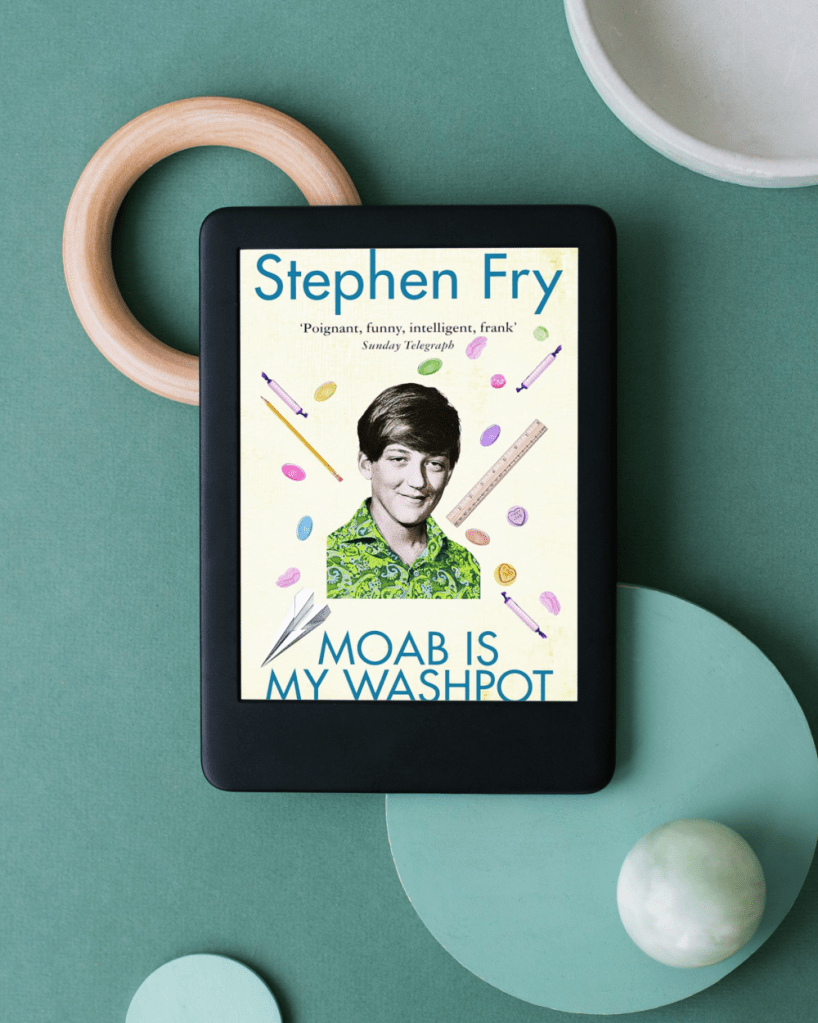
This is the first of three books that serve as his autobiography. In each book, he discusses different stages of his life, from childhood to his life as a comedian. Told in his inimitable comedic style, it is funny and poignant. He is open about his struggles with mental health, his brushes with the law, and his journey towards self-acceptance. The books also give us a glimpse into the broader social and cultural context of the time, touching on topics such as class, education, and sexuality.
The Trauma Cleaner by Sarah Krasnostein:

The book is about a woman named Sandra Pankhurst, who has a cleaning service for people going through tragedies and traumas. It details her journey marked by struggles with abuse and the search for her gender identity. She reflects on issues of gender identity, social marginalisation, and the power of empathy. Through Sandra’s transformative experiences, the book illustrates how adversity can shape one into a compassionate and resilient individual.
On Earth We’re Briefly Gorgeous by Ocean Vuong:
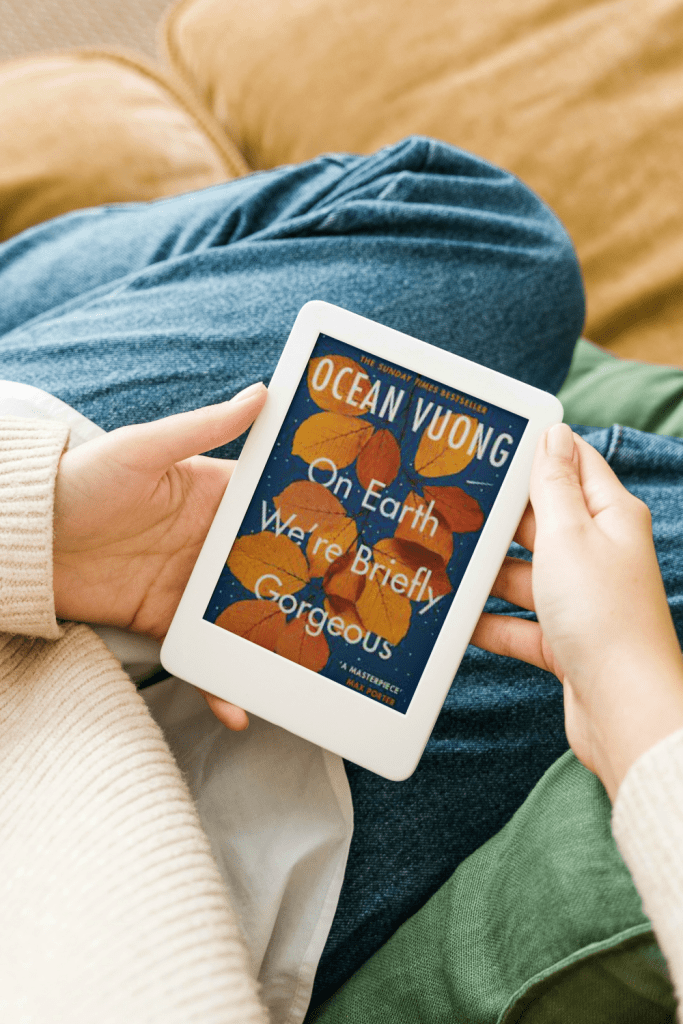
This poetic novel explores the complexities of identity, memory, and the intergenerational impact of trauma. Written as a letter from a son to his illiterate mother, he reflects on his childhood; through his experiences as a queer Vietnamese immigrant and his family’s struggles, he tries to understand love, sexuality, and his need for belonging.
Ten Steps to Nanette by Hannah Gadsby:

The book is an intimate glimpse into Gadsby’s life, where she shares personal anecdotes about her journey of self-discovery and self-acceptance as a queer woman born and raised in a small town. She tackles topics such as gender, sexuality, mental health, and art with humour and introspection. It is heartbreaking at times to read through her mental and physical anguish.
The Last Call by Elon Green:
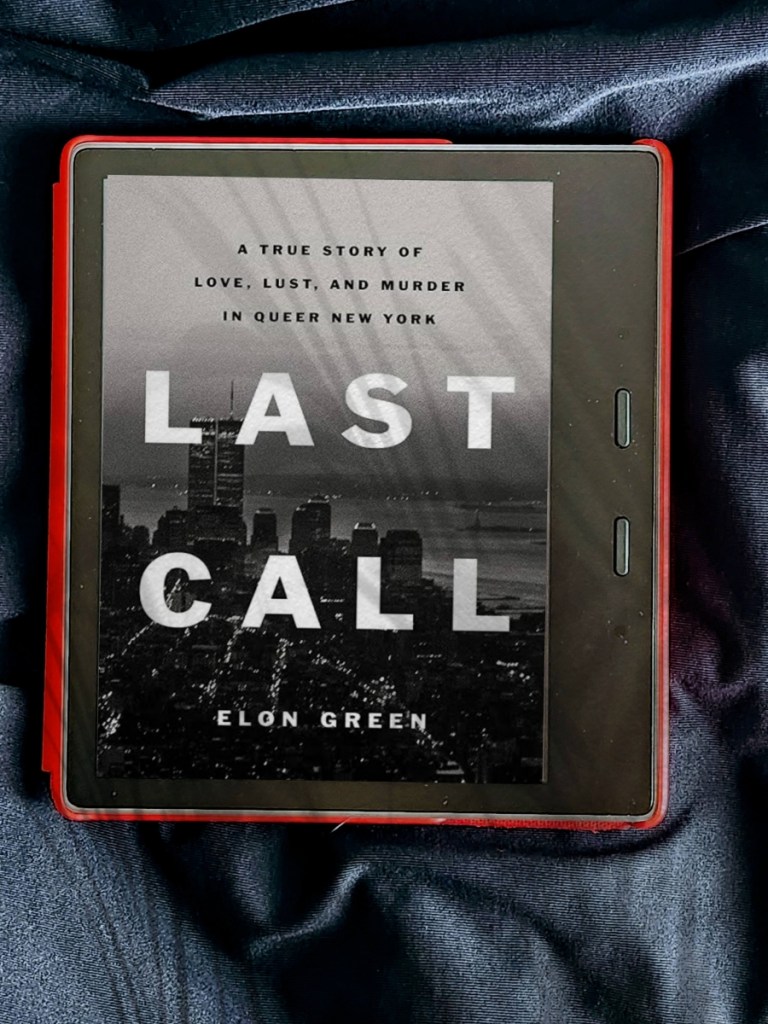
This is a gripping and meticulously researched true-crime book about the case of the “Last Call Killer” and the impact it had on the LGBTQ+ community in New York City during the 1980s and 1990s. The book sheds light on the lives of the victims, their shared experiences, and the systemic failures that allowed the killer to remain at large for so long. Some of the details are gruesome, but what was more heart-wrenching was how gay men had to hide in plain sight and live acceptably as straight men while devising ways to meet up with other men secretly. The author also touches upon issues such as homophobia, discrimination, and the AIDS crisis.
There are, of course, so many more significant stories out there. I hope this essay will encourage you to pick up some of these books. These books are not only entertaining and well-written, but they can also be incredibly meaningful and empowering.
Note: Some links are part of an affiliate program, which means that if you click on a link and buy something, I might receive a percentage of the sale, at no extra cost to you.



Leave a Reply