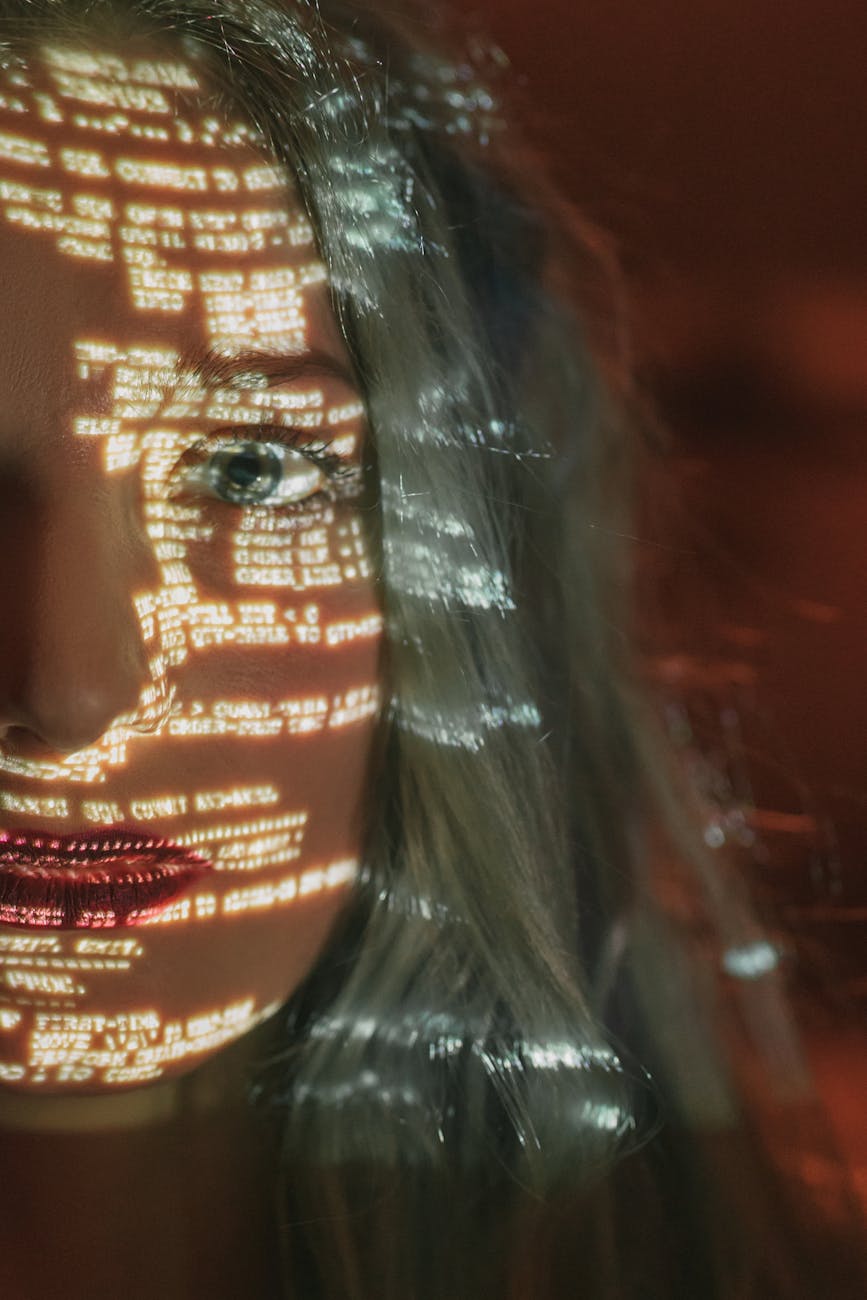
In the last decade, I’ve become increasingly aware of the alarming rise in online bullying and hate. It’s a topic that’s hard to ignore, especially when it seeps into our daily lives through the media we consume and the conversations we have. Recently, two shows I watched left me deeply unsettled, forcing me to confront the harsh realities of this digital age.
The first, Adolescence, was a difficult watch. It portrayed how an innocent-looking child could be brainwashed to commit a heinous crime. It was a stark reminder that your ‘angel’ could be someone else’s ‘devil’. The second was the relentless bullying faced by Meghan Markle, which escalated to the point where the security of her children was compromised, all because she dared to stand up for herself. These examples highlight the pervasive meanness that seems to be spreading like wildfire, both online and offline.
As a parent, I find this particularly concerning. My son is on the cusp of his teenage years, and like most kids his age, he’s drawn to screens, sneaking YouTube time whenever he can. But what awaits him online? A landscape filled with hatred, rage-baiting, and toxic content designed to provoke and divide. How it will affect his mental health and how it will translate into action in real life is a constant cause of worry for me.
The Toxicity of Online Culture
Social media platforms and influencers thrive on engagement, often at the cost of decency. Posts are filled with vitriol, even over innocuous opinions. Rage-baiting has become a lucrative strategy—content creators deliberately provoke strong emotions to drive views, comments, and shares. The more outrageous the take, the better the engagement. And while they may claim they’re “just sharing opinions,” the consequences are real. Violence, doxing, and even rape threats have become commonplace, especially for women who dare to voice their thoughts online.
The Netflix show Adolescence sparked conversations about race, with some questioning why the protagonist was a white boy. But if the character had been a person of colour, the narrative would have shifted to blaming the ethnic group for the behaviour, further perpetuating stereotypes and not paying attention to the content. This knee-jerk reaction to be offended without rational thought is part of the problem.
What’s worse is the lack of accountability. Social media giants and influencers often wash their hands off of any responsibility, claiming they’re not directly inciting violence. But the line between online rhetoric and real-world harm is blurring every day. If these bullies were face-to-face with their targets, would they still be so vile?
The Blurred Lines Between Online and Reality
Everything good can be used and abused. I love the Internet. It has given me information I can use, and a useful tool to connect with people I love. But more and more, it has become a breeding ground for extremism and toxicity.
People seek validation for their feelings, and the online world provides an easy outlet. Feeling lonely during the pandemic? You can find communities to connect with. Angry after a breakup? You can find others who share your rage, and that collective anger can escalate into threats and harassment.
In The Psychology of Internet Rage, Adam P. Stern compares online anger to road rage. The anonymity and emotional distance of the internet amplify our reactions, making us more likely to lash out.
Even well-meaning individuals can fall into this trap, believing and spreading misinformation without fact-checking. People who are relatively aware of what’s happening can fall into the trap, too. I am one of them, so I am extra careful to cross-check information before forwarding it now.
Once we ignore or believe innocuous things without fact-checking them, pretty soon we’ll start believing even outrageous ones. The goal of social media is to keep us hooked on it and away from reality. They make their profits, but what advantage do we get out of it?
The Impact on the Next Generation
This toxic messaging is reaching young minds, and even stable households aren’t immune. Children are increasingly looking outward for validation, often finding it in harmful online spaces. The rise of the “manosphere” is a troubling example. As women demand more from their partners—beyond just financial stability—some men feel entitled to reclaim control through toxic masculinity. This mindset is seeping into young boys, shaping their perceptions of what it means to be a man.
Even seemingly harmless comments, like “boys will be boys” or “girls are so nurturing,” reinforce harmful stereotypes. Boys will learn that being nurturing isn’t “manly,” while girls internalise that their worth lies in caregiving rather than pursuing their dreams.
The harmful beauty standards, kids growing up with their lives published online, and the push for over-consumption are just some of the troubling trends that are already beginning to show their negative effects on our kids.
What Can We Do?
Banning the internet isn’t the answer. It’s a powerful tool for connection, education, and progress. But the laws governing it need to catch up. Stricter regulations, better enforcement, and greater accountability for platforms and content creators are essential.
As parents and individuals, we also have a role to play. Here are a few steps to protect ourselves and our children:
- Educate and Communicate: Talk with your kids and family about online behaviour, the importance of empathy, and the dangers of seeking validation from strangers.
- Monitor Screen Time: Be aware of what you and your family are consuming online and set boundaries.
- Fact-Check: Learn and teach critical thinking skills to discern credible information from misinformation.
- Lead by Example: Model respectful offline and online behaviour and show them how to engage in healthy discussions.
- Advocate for Change: Support initiatives that push for stricter online laws and hold platforms accountable for harmful content.
Google has a great program to teach kids how to be safe online and be responsible digital citizens. Check out the Be Internet Awesome initiative. For more such resources, check this Forbes article on online safety.
The rise of online hate and bullying is an epidemic that threatens to harm an entire generation. But by taking collective action—both online and offline—we can create a safer, kinder digital world. Let’s not wait for the lines between online and reality to disappear completely. The time to act is now.


 Love, Life, & Beyond
Leave a comment