
If you’re like me, you probably believe that creativity is something you’re either born with or not. Many of us grow up thinking that creative genius is a gift reserved for a select few—artists, musicians, or writers with natural talent. Over time, we might convince ourselves that relentless practice is the only way to improve but not match their talent. But what if there were ways to unlock your creative potential and transform the way you think and create?
I’ll be talking about two books I have come across, which haven’t made me a creative genius (yet), but have given me a boost in the right direction. The Creative Act: A Way of Being by Rick Rubin and Megacreativity: Five Steps To Thinking Like A Genius by Andrei Aleinikov: These two books are your gateway to expanding your creative mindset and refining your creative process.
There’s an abundant reservoir of high-quality information in our subconscious, and finding ways to access it can spark new material to draw from. —Rick Rubin
Whether you’re an aspiring artist, a professional looking to innovate, or simply someone who wants to think outside the box, they offer practical strategies, inspiring insights, and actionable steps to help you tap into your inner genius.
Dive in and discover how to break free from limiting beliefs, embrace new perspectives, and unleash your creativity like never before.
The Creative Act: A Way of Being by Rick Rubin
The object isn’t to make art, it’s to be in that wonderful state which makes art inevitable. —Robert Henri
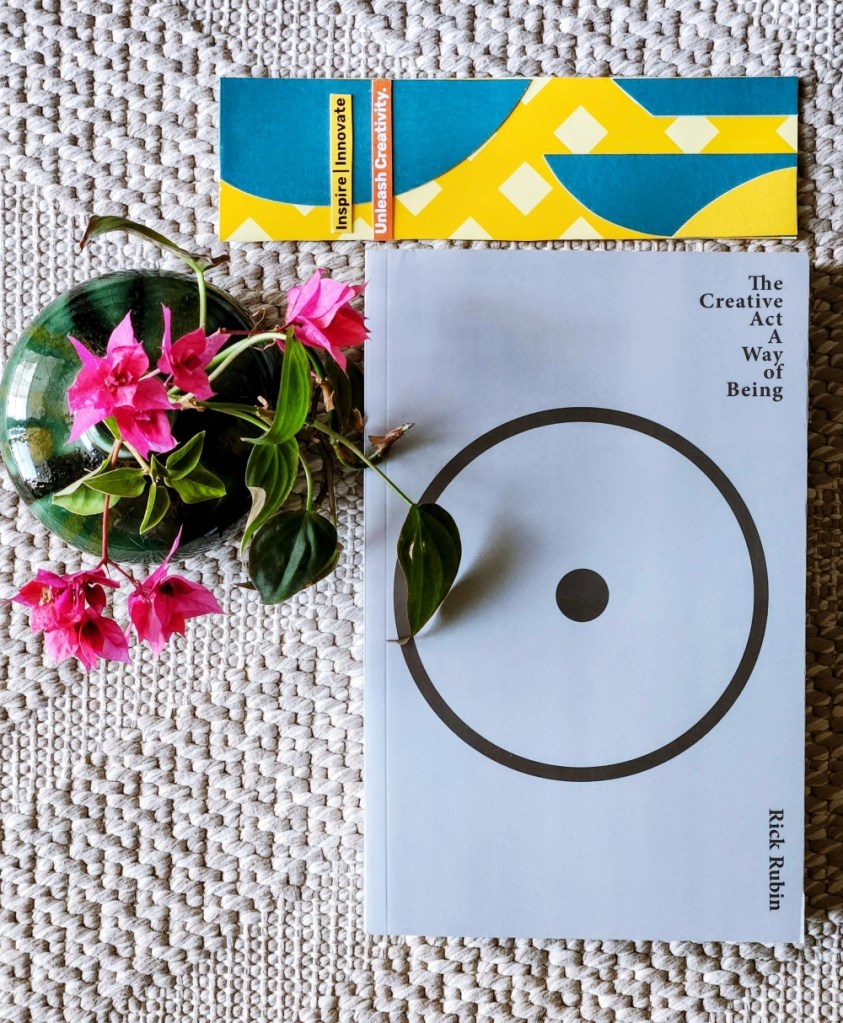
Rick Rubin’s The Creative Act: A Way of Being explores the creative process, offering a simple yet profound perspective on what it means to create. Rather than overcomplicating the journey of making any kind of art, Rubin breaks it down by its stages—definition, imagination, execution, and beyond. This way it doesn’t feel overwhelming or prescriptive.
Listening without prejudice is how we grow and learn as people. More often than not, there are no right answers, just different perspectives.
I found his approach inclusive, framing art as a universal experience rather than something reserved for a select few. This makes creativity feel attainable, even for those who might not consider themselves artists in the traditional sense.
Artists allow us to see what we are unable to see, but somehow already know.
I usually don’t pick up ‘self-help’ books as I find them very rigid, but I liked that this book aims to inspire—he doesn’t tell you what to do; instead, he offers suggestions and insights that encourage you to reflect on your own creative habits and mindset. As he mentions in the introduction, the reader is free to take what resonates and leave the rest.
The universe is only as large as our perception of it. When we cultivate our awareness, we are expanding the universe.
I found the book helpful on multiple levels. Rubin’s emphasis on enjoying the process of creation without worrying about its utility or outcome was something I had struggled to grasp for years. His perspective helped me reframe my approach to my creative projects.
Often, the most innovative ideas come from those who master the rules to such a degree that they can see past them or from those who never learned them at all.
Another standout takeaway was his encouragement to let go of perfectionism and share my creations with the world, rather than clinging to them out of self-doubt. Or that being an artist means you have to roam free in the woods without routines or rules. These ideas, among others, seem obvious in hindsight but you wouldn’t have considered them earlier.
Discipline and freedom seem like opposites. In reality, they are partners. Discipline is not a lack of freedom, it is a harmonious relationship with time.
Rubin’s wisdom feels timeless, and his gentle guidance serves as a reminder that creativity is not about following rules but about embracing a way of being. Whether you’re an experienced artist or someone just beginning to explore your creative side, this book offers valuable insights that can help you reconnect with the joy and freedom of creation.
What you make doesn’t have to be witnessed, recorded, sold, or encased in glass for it to be a work of art.
AUTHOR: Rick Rubin is a music producer and record executive. Co-founder of Def Jam Recordings, Rubin played a pivotal role in bringing hip-hop into the mainstream, working with iconic artists like LL Cool J, Run-D.M.C., and the Beastie Boys. Over the decades, he has expanded his influence across genres, producing groundbreaking albums for artists as diverse as Johnny Cash, Red Hot Chili Peppers, Adele, and Kanye West.
Zoom in and obsess. Zoom out and observe. We get to choose.
Known for his minimalist approach and intuitive style, Rubin has a unique ability to draw out the essence of an artist’s vision, earning him countless accolades, including multiple Grammy Awards.
Every work contains a lifetime of experience.
Megacreativity: Five Steps To Thinking Like A Genius by Andrei G. Aleinikov
Even with the best genetic material possible, without a positive social influence and learned skills, a person can’t achieve genius.
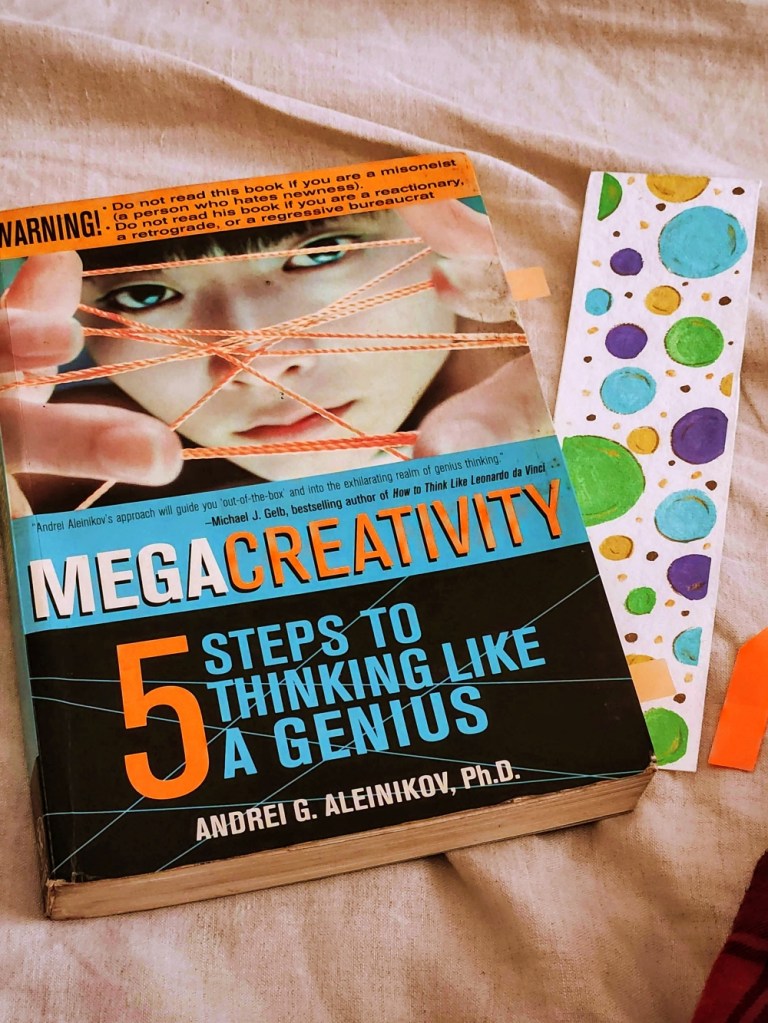
I stumbled upon Megacreativity: Five Steps to Thinking Like a Genius by accident—a guest left their copy behind at our home. It sat there on our bookshelf for years till I read a few pages and was sucked in to read the rest. Now, I still return to it whenever I need a creative boost. Andrei Aleinikov’s approach to unlocking genius-level thinking is both practical and inspiring.
Genius things are simple…after they are discovered.
Aleinikov gives actionable exercises designed to stretch your thinking and help you uncover new dimensions of your creative potential. Even if you’ve tried similar exercises before, redoing them as he lists them leads to fresh insights and a deeper understanding of yourself. It’s a reminder that creativity isn’t a fixed trait but a skill that can be nurtured and expanded over time.
Creation…is achieving harmony and finding a way for many parts to work together.
The book’s five-step methodology is straightforward and lays out a clear path to breaking free from a creative rut and tapping into a more innovative mindset. If you’re looking for a practical guide to unlocking your inner genius, this is a must-read.
Avoid being passive. Be active in the face of adversity, or adversity will continue.
AUTHOR: Andrei G. Aleinikov is a renowned educator, author, and thought leader in the fields of creativity, innovation, and leadership. With a Ph.D. in Education and a career spanning decades, Aleinikov has dedicated his work to understanding and teaching the principles of creative thinking and genius-level problem-solving. He is the founder of the MegaCreativity methodology, a framework designed to help individuals and organisations unlock their full creative potential.
If you reject your ideas, you give yourself no foundation from which to leap to even better ideas.
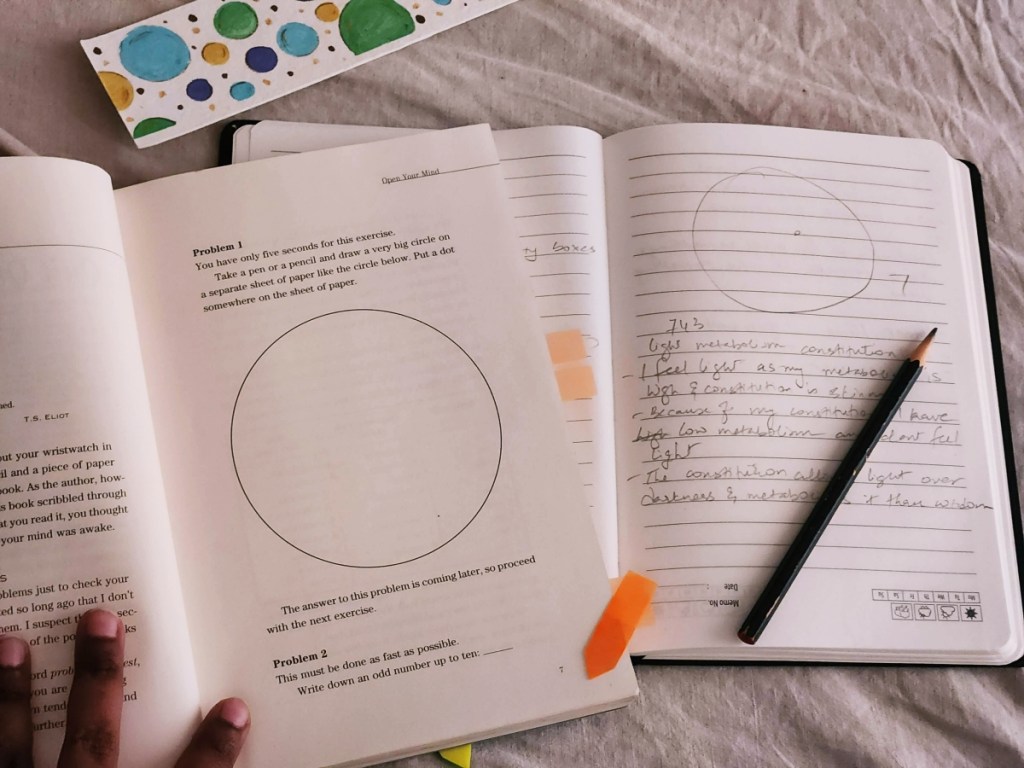
Do not read this book if you are against daydreaming.
I’ll be honest—I don’t typically reach for self-help books, and these aren’t necessarily the pinnacle of the genre. However, I happened to come across them, and to my surprise, they offered some valuable insights and thought-provoking ideas. While not every suggestion or exercise may resonate with everyone, there’s some substance here to spark inspiration or offer a fresh perspective and open your mind to exploring new ways of thinking.

Note: Some links are part of an affiliate program, which means that if you click on a link and buy something, I might receive a percentage of the sale, at no extra cost to you.



 Love, Life, & Beyond
Leave a comment