I am all for technology. I feel it’s the greatest tool we have that is accessible to all, and betters our quality of life manifold. Of course, we also need to learn to use and regulate technology, especially now with the rise of AI, so that the benefits don’t get overshadowed by the drawbacks.
In today’s hyper-connected world, where smartphones and social media dominate our lives, we often find ourselves capturing moments instead of living them. The digital age has undoubtedly brought us closer in many ways, but it has also distanced us from the authenticity of real-life experiences.
And before we go blaming Gen Z for the downfall of all society, look around you and you’ll see that it is often the millennials and even boomers who are caught in a cycle of proving themselves online.
Meaningful Moments or Staged Perfection
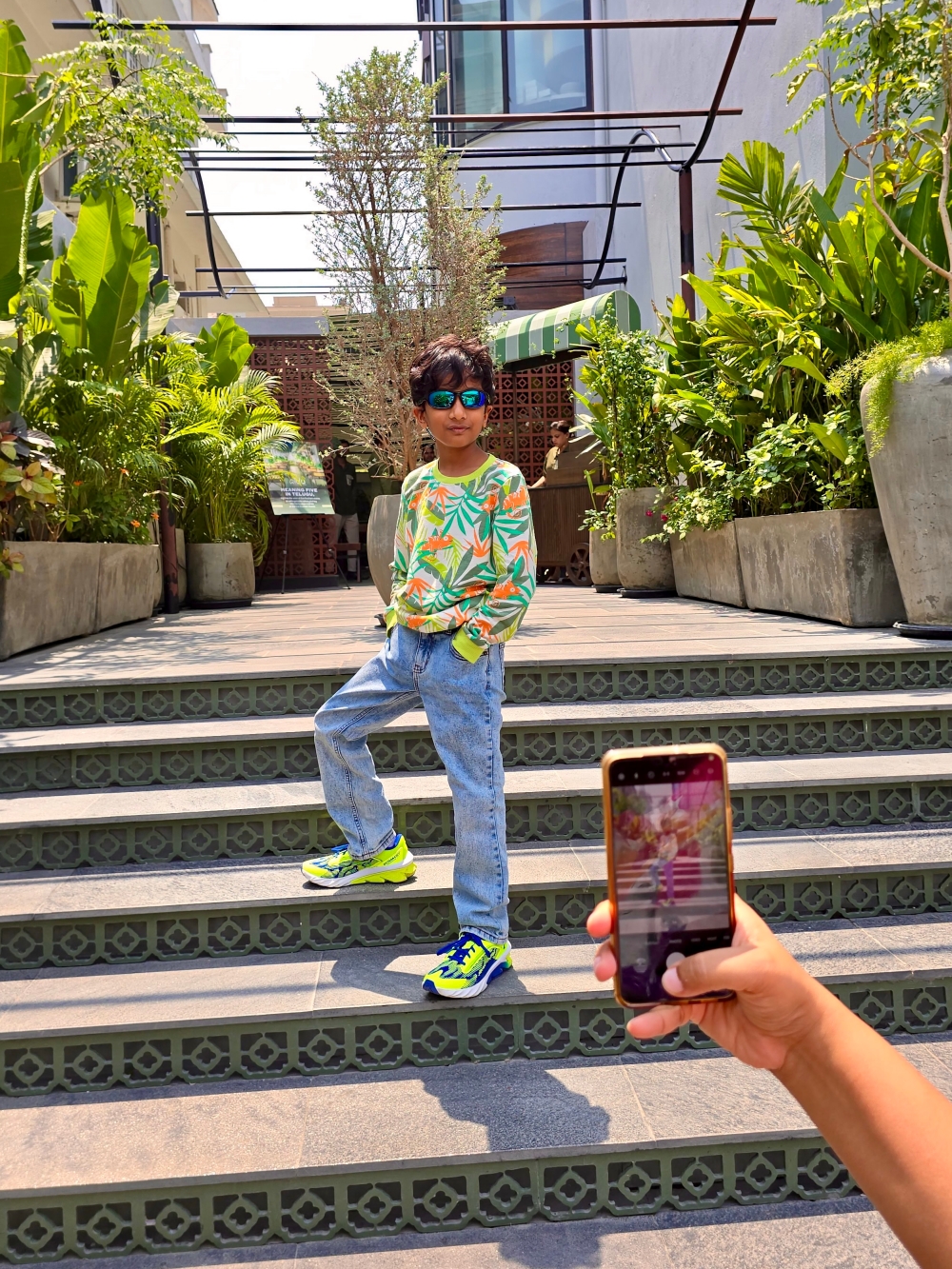
Weddings and casual lunches have become more about capturing the perfect photos than truly enjoying the moment—colour-coordinated outfits for every event, cropping out scenes you don’t like, enhancing photos to a point you are unrecognisable, and documenting every aspect of your life.
I recently attended a wedding where the bridal entry was repeated multiple times for the sake of getting the right shot, making it feel more like a staged photoshoot than a meaningful ceremony. They got some great shots, but the guests lost interest in the event. They mingled, ate, and left.
Even restaurants are prioritising Instagram-worthy aesthetics instead of focussing on the quality of their food and service. People go to new places to take their pictures, post the food they ate on their socials, and then move on to the next new thing in town. Places that were full a few months ago are offering heavy discounts to lure customers.
The shift has extended to how we consume media as well. Songs and movies now aim to go viral rather than leave a lasting impact. You hear a catchy tune or see a trendy clip on loop repeatedly, then feel like never hearing that tune again. Songs are consumed quickly and forgotten just as fast.
In the past, we had the time to fully absorb and savour songs, creating lasting connections to what we loved. TV series (apart from soap operas that never end) are made for one or two seasons with a gap of a year or more in between, then cancelled. The audience is not given time to form attachments to the characters or storyline, and if they do they’re heartbroken because the show gets scrapped to make way for newer shows to lure new subscribers.
The Obsession with Documentation
From vacations to daily meals, our instinct to pull out our phones and document every detail has become second nature. While it’s wonderful to have memories preserved, the constant urge to record often means we miss the very moments we’re trying to capture. I’ve had to stop myself from looking at the recording screen of my phone while attending a music concert many times. I mean, I might as well watch it at home if I’m not taking in the full live view! I’m not going to re-watch snippets of these recordings ever again, so why am I not allowing myself to enjoy what I paid for?
Don’t get me wrong, I love taking pictures of my family. I even print out our yearly album. But I am also learning to go out for meals and activities where we don’t take any pictures, or just stop after a few.
Social Media’s Role in Shaping Experiences
Social media platforms reward perfection—flawless selfies, carefully plated meals, and idyllic vacations. We feel the need to present curated versions of our lives, shaping experiences to be more shareable rather than meaningful.
Because we chose what goes on the page, no one really knows the full picture. It’s like posting a beautiful picture of a sunset on the beach with the garbage neatly cropped out.
The Impact on Relationships
The digital age doesn’t just affect our individual experiences—it also alters the dynamics of our relationships. Authentic connections can take a backseat when conversations are interrupted by notifications or scrolling through feeds. Eye contact is replaced with glances at screens, and shared laughter is replaced with viral content with a background laugh track.
Children on Social Media: Navigating Consent and Future Implications
The presence of children on social media raises significant concerns about consent and the long-term implications for their privacy and well-being. We don’t always think about the long-term consequences of having their images, videos, or personal details shared online. We need to realise that once something is online, it is online forever. There is no deleting it. As these children grow older, they may feel uncomfortable or embarrassed by the digital footprint created for them, which could impact their personal and professional lives. Additionally, oversharing exposes children to risks such as identity theft, cyberbullying, and exploitation.
Finding Balance in a Digital World
So, how do we reclaim authentic moments? It starts with being intentional. Here are some ways to stay present:
- Set Digital Boundaries: Designate screen-free times or zones, especially during meals, family time, or important events.
- Prioritise Experiences Over Posts: Focus on enjoying the moment rather than how it looks online.
- Practice Mindfulness: Use mindfulness techniques to stay present, such as deep breathing or focusing on sensory details.
- Reflect Before Sharing: Ask yourself if capturing or sharing a moment adds value or distracts from your experience.
- Respect Privacy: Especially when it comes to children. Don’t give out actual locations, travel dates or birthdays.
The Value of Authentic Moments
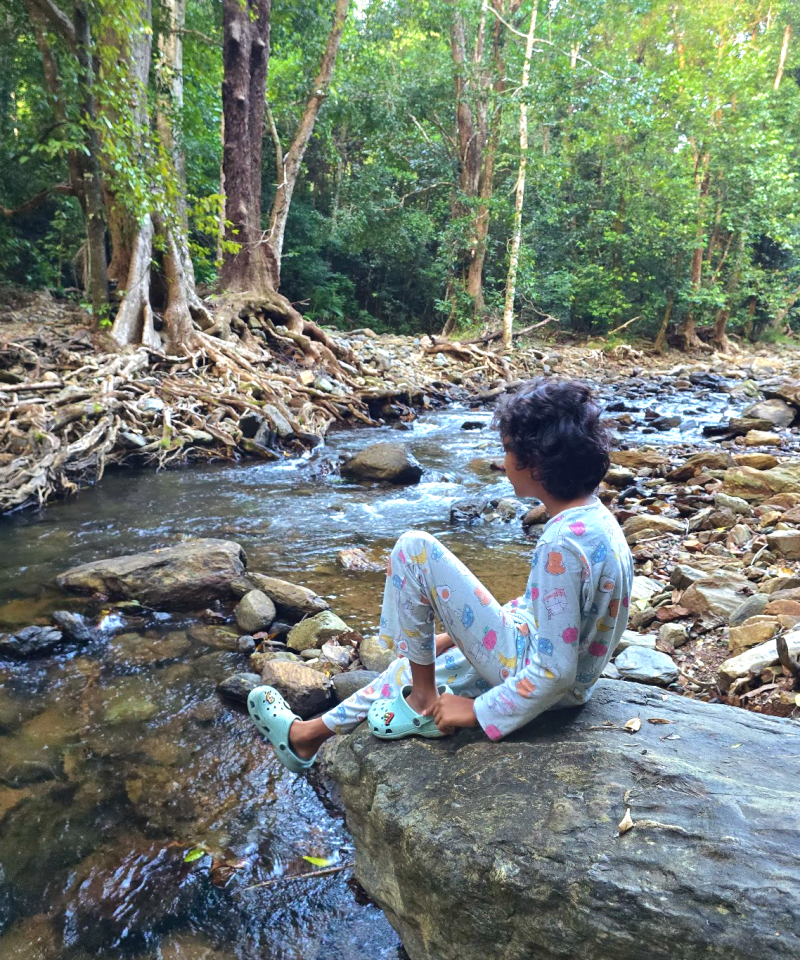
Authentic moments are the ones that stay with us long after the event is over—the laughter with friends, the quiet peace of a morning walk, or the simple joy of watching a child’s discovery. These memories don’t need filters or likes to be meaningful.
Hopefully, this obsession with over-sharing is just a transitional phase. As the novelty of this hyper-digital era fades, we can hope for a return to more meaningful moments, allowing our children to grow up free from the constant pressure of trends and the fear of missing out.



 Love, Life, & Beyond
Leave a comment