
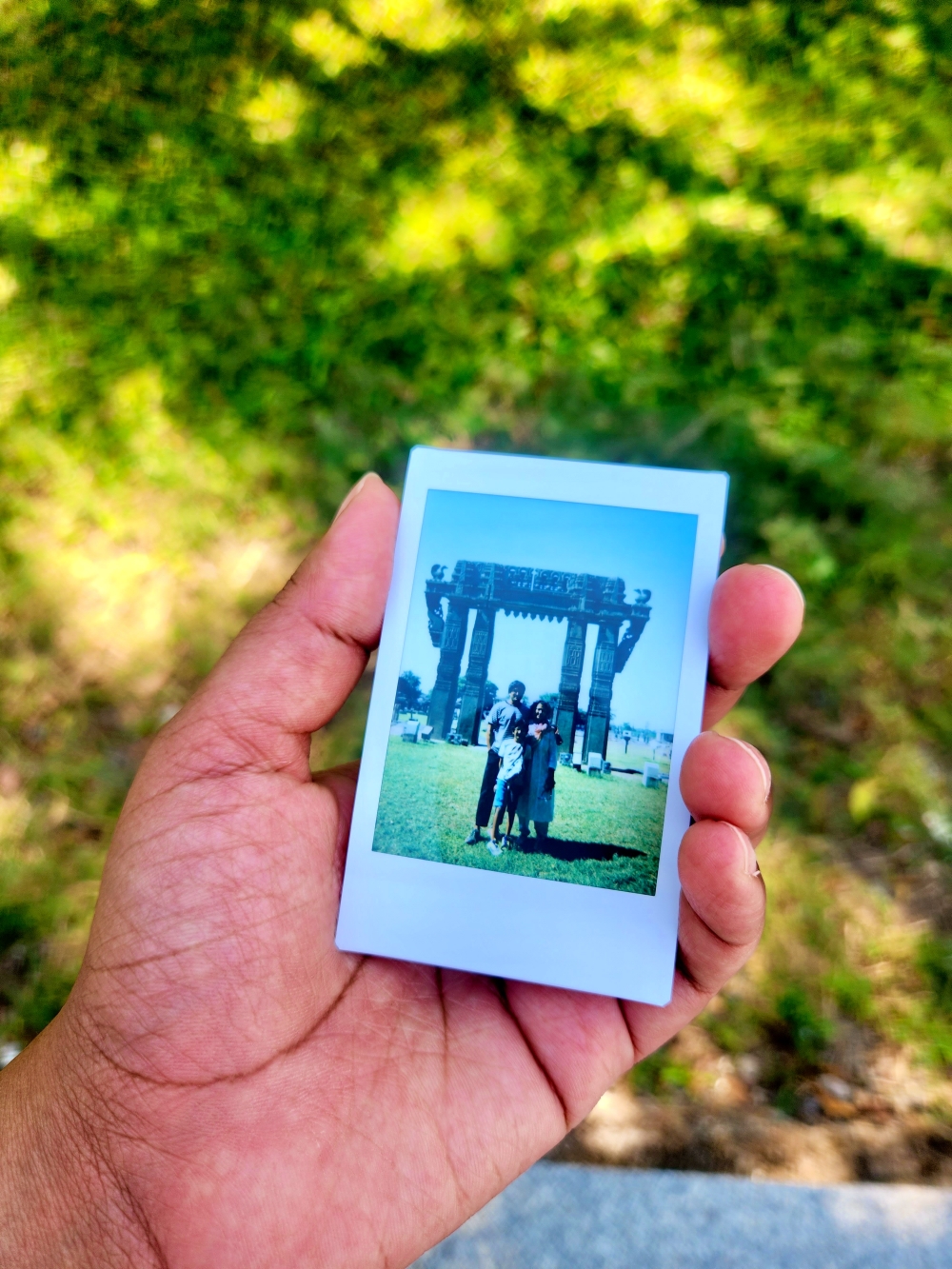
I am not usually one for temple visits, but the lure of having a UNESCO World Heritage Site so close to home was enough to nudge me out of my comfort zone for a weekend temple tour. Warangal is just under three hours from Hyderabad, and the Ramappa Temple is about an hour further so it didn’t even require much planning.
We planned a two-day trip but if you are willing to stretch yourself a little, this can be done as a day trip from Hyderabad. If you’re up for repeat visits or a deeper dive into the local scene, there are plenty of stops along the way to explore more cultural day trips from Hyderabad. One such option is the Bhongir Fort, which is a trek up a monolith rock face—an easy half-day adventure close to Hyderabad.
Here’s what we managed to cover on this trip, with plenty of room left for future explorations.
Warangal Travel Guide
There are plenty of things to see in Warangal and Ramappa, a little further away. They give a captivating glimpse into the grandeur of the Kakatiya dynasty, blending architectural brilliance and spiritual heritage. From the iconic Kakatiya Kala Thoranam to the serene elegance of the Ramappa Temple, these sites have recently been restored. Admire the intricate carvings of ancient temples, explore fort ruins, and walk along the serene Bhadrakali Lake. This guide highlights our Hyderabad to Warangal itinerary and the must-visit attractions, ensuring you experience the best of Warangal and its surrounding treasures.
Ramappa Temple

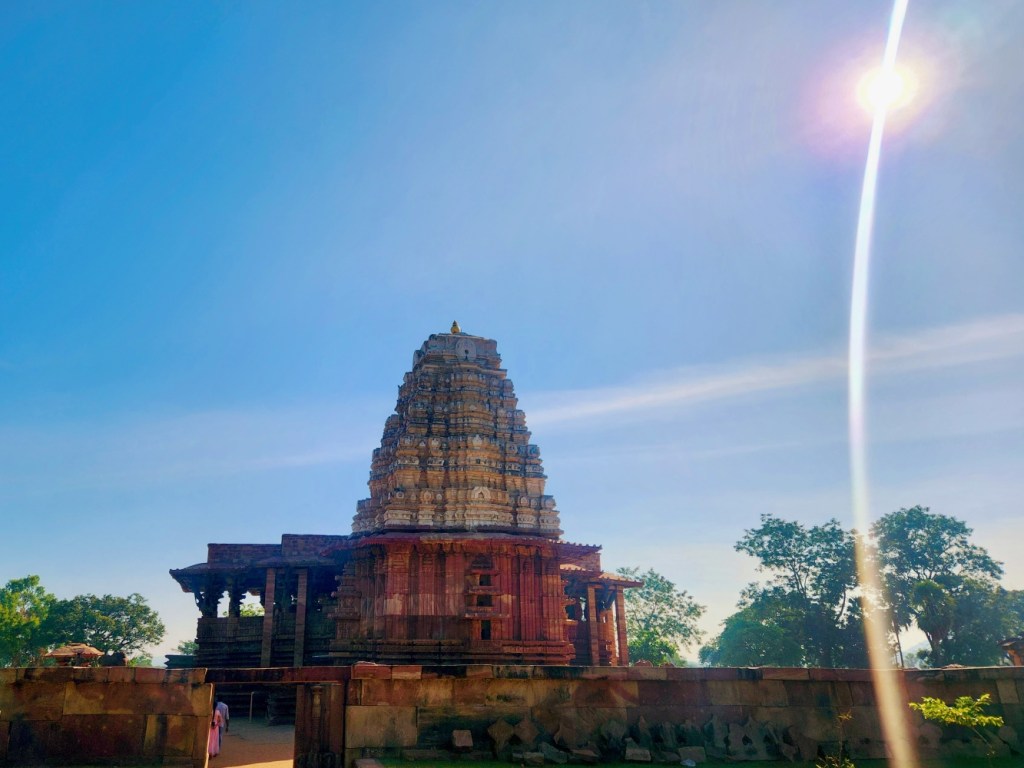
The Kakatiya Rudreshwara (Ramappa) Temple, also known as Ramalayya Temple, was built in the 13th century during the reign of the Kakatiya dynasty, under the patronage of King Rudra Dev. It is dedicated to Lord Shiva and has detailed sculptures and ornamental pillars. In recognition of its historical and architectural significance, the Ramappa Temple was designated a UNESCO World Heritage Site in 2021.

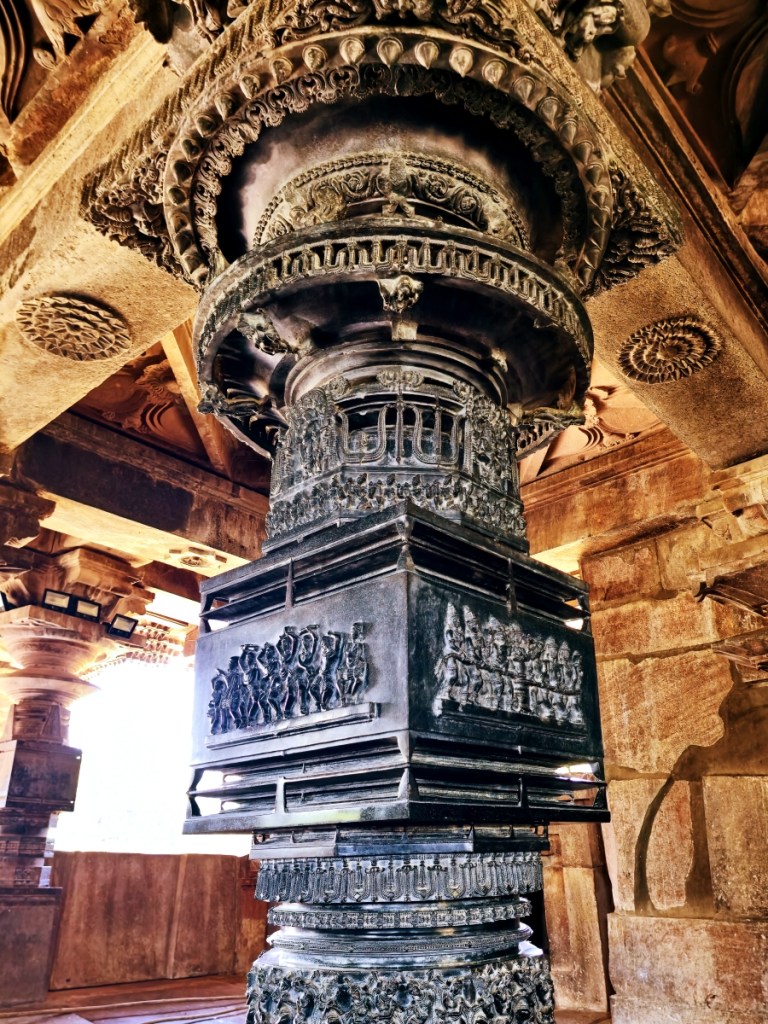
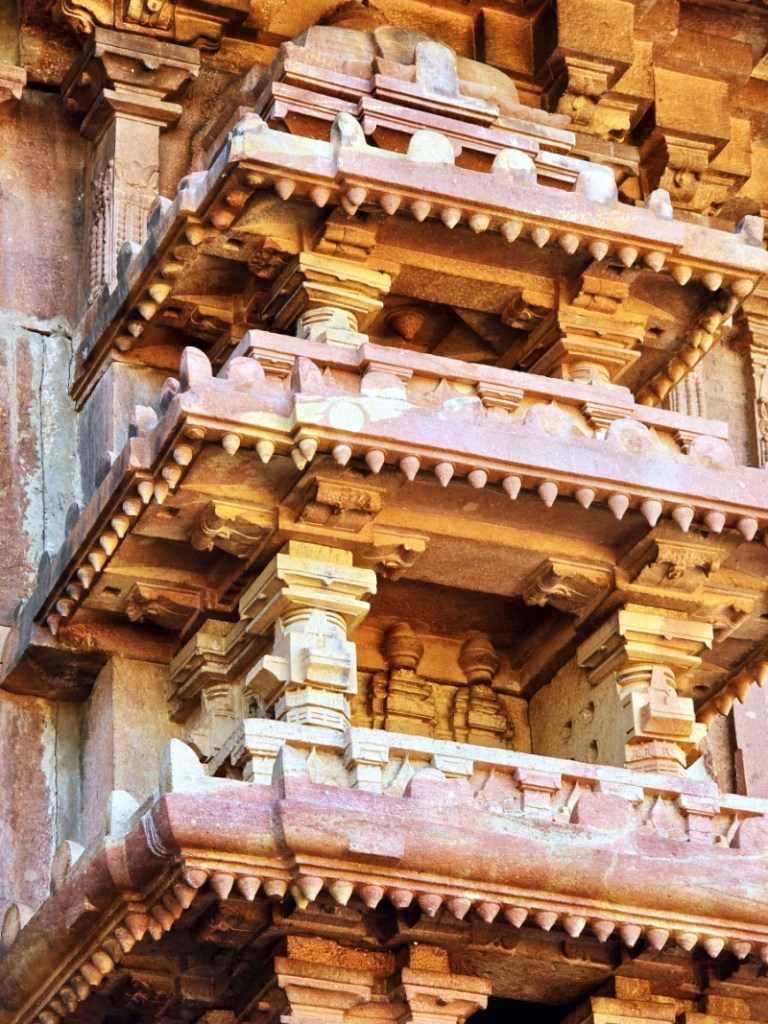
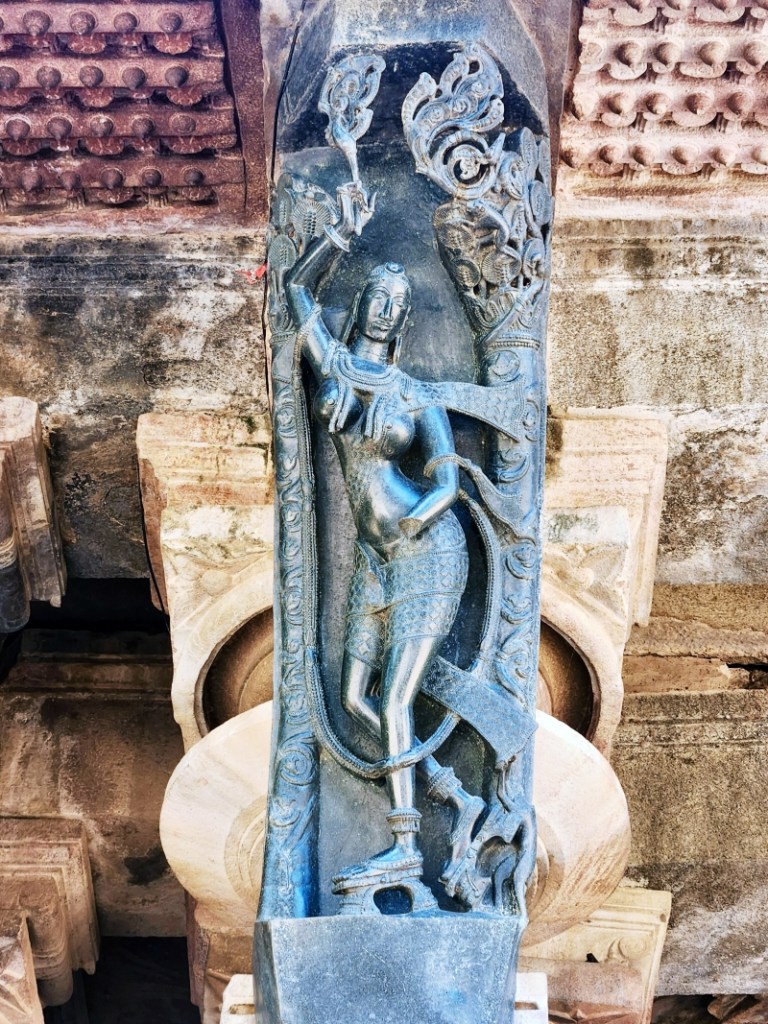
The Temple features intricately carved granite and dolerite beams and pillars, as well as a distinctive pyramidal Vimana made from lightweight porous bricks (floating bricks) that reduce the weight of the roof. The temple’s high-quality sculptures, particularly its bracket figures, are carved from hard dolerite, giving them a metal-like finish with a lustrous sheen. These sculptures, which depict regional dance customs and Kakatiyan culture, convey a sense of movement and dynamism, showcasing the artistic mastery of the period. One of these brackets features a woman wearing high heel platform shoes!
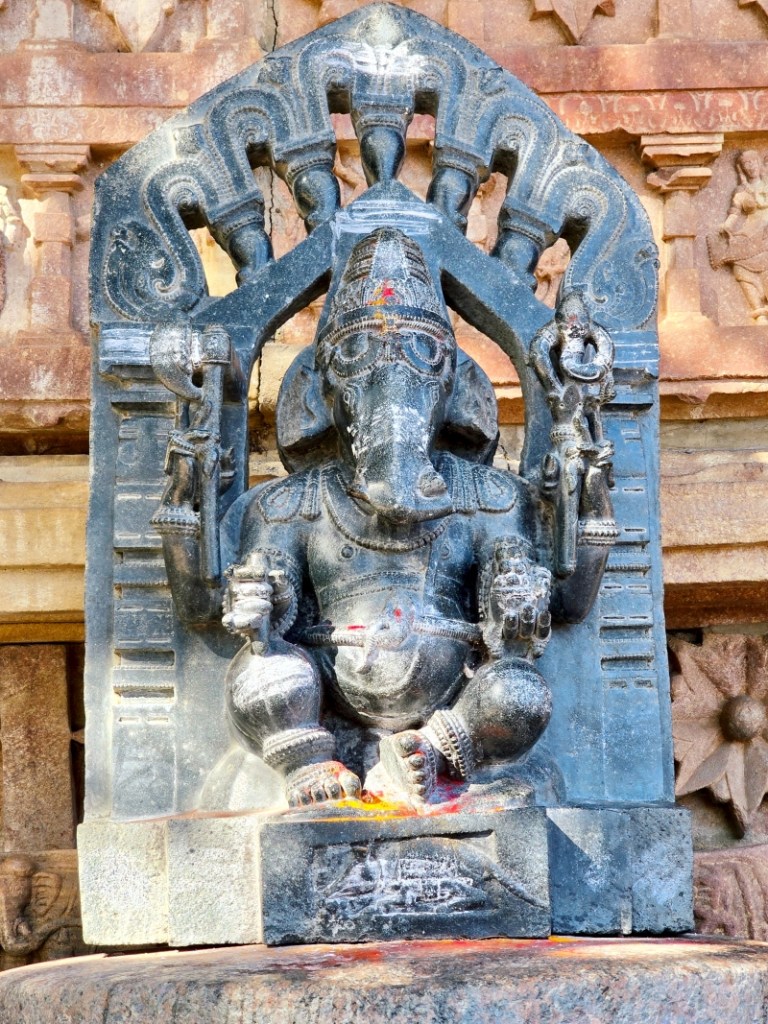
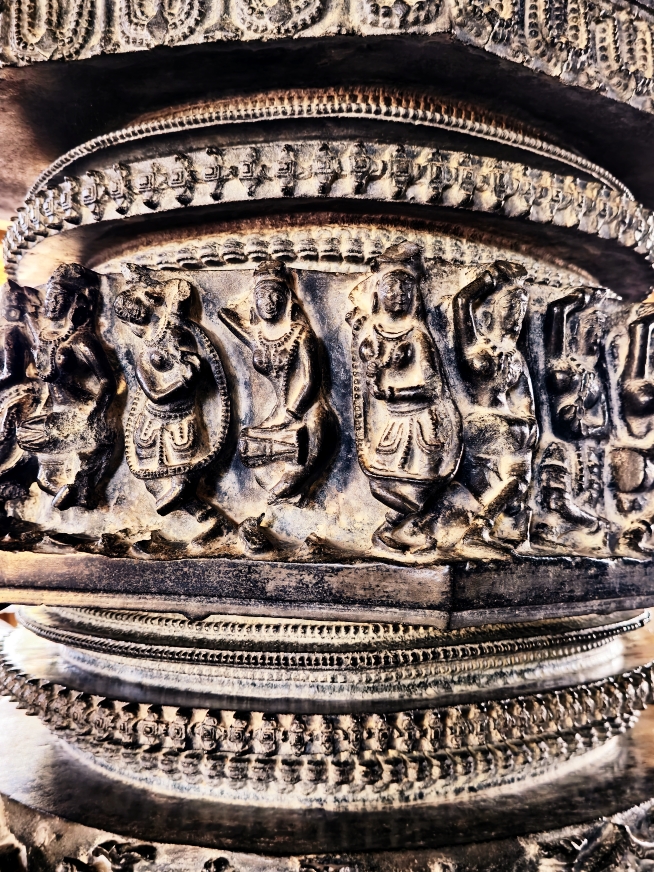
We were super impressed with the craftsmanship, especially the ornamental columns with intricate designs. You’d probably need laser cutting tech to replicate it now.
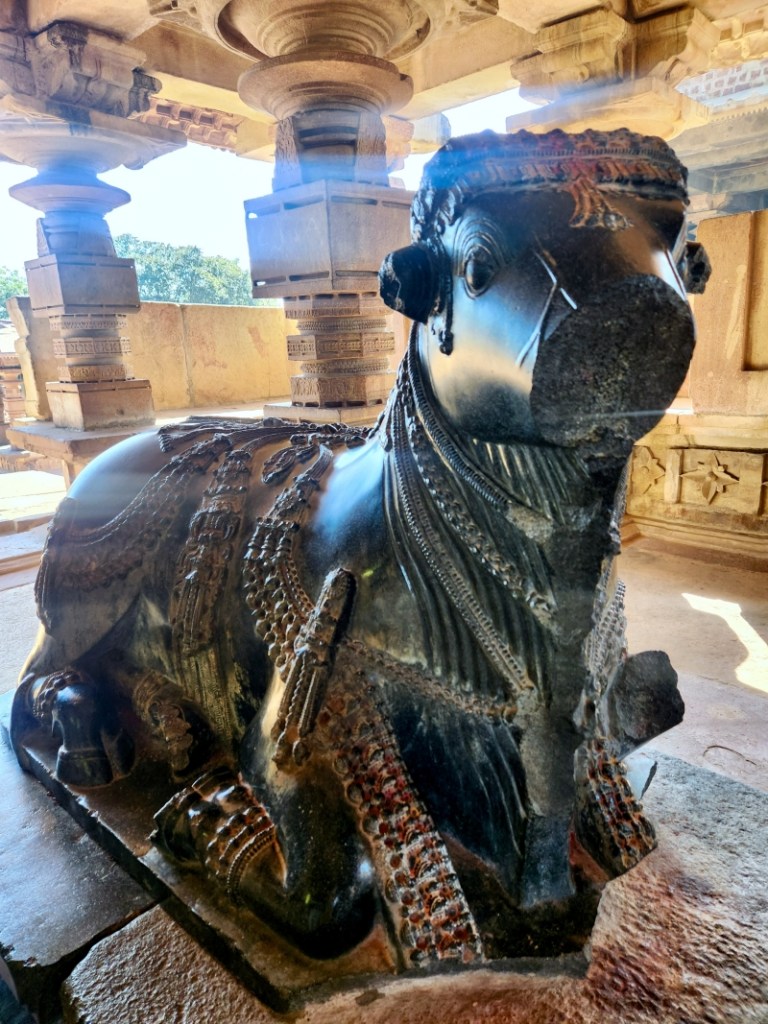

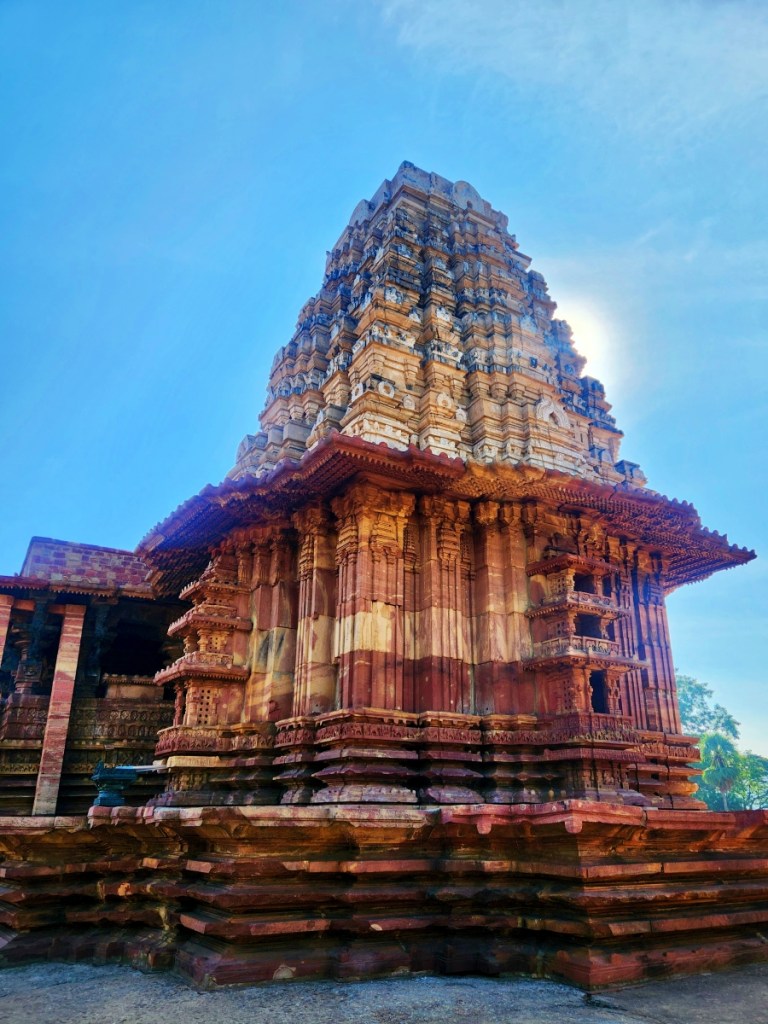
The temple was serene and quiet when we visited on a weekday morning around 10 AM—practically empty, which was a refreshing change from the usual overcrowded tourist spots. The temple floor and slabs seemed to be bent out of shape in some areas possibly due to an earthquake some time in the 17th Century. It has withstood the trauma nevertheless.
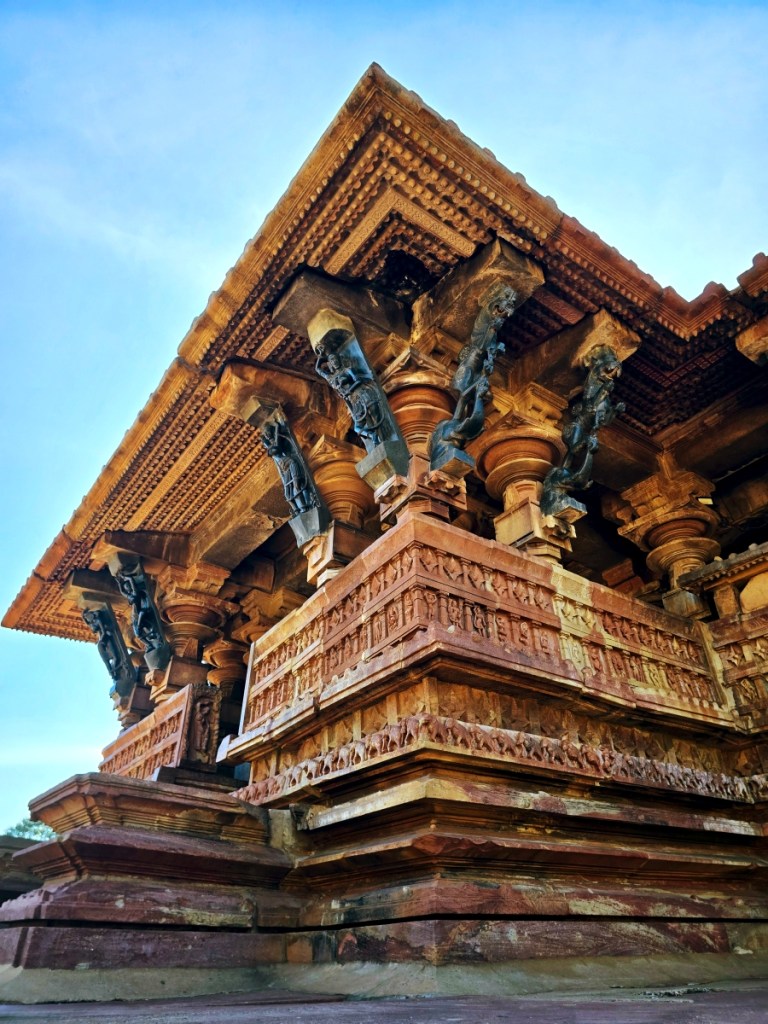

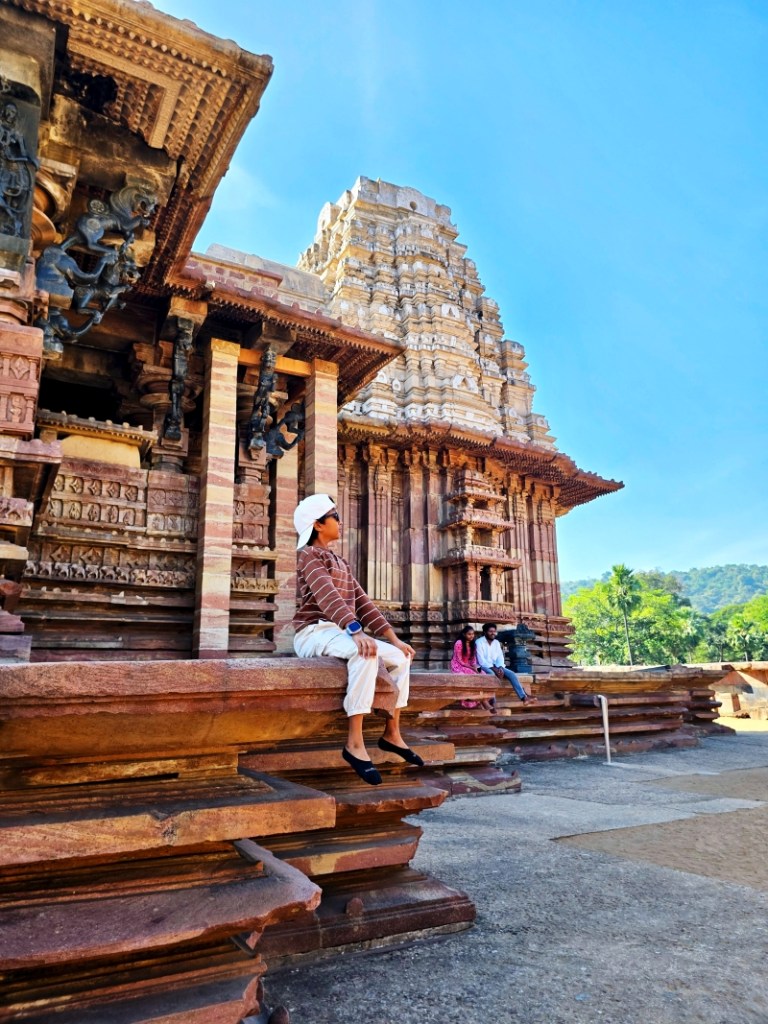
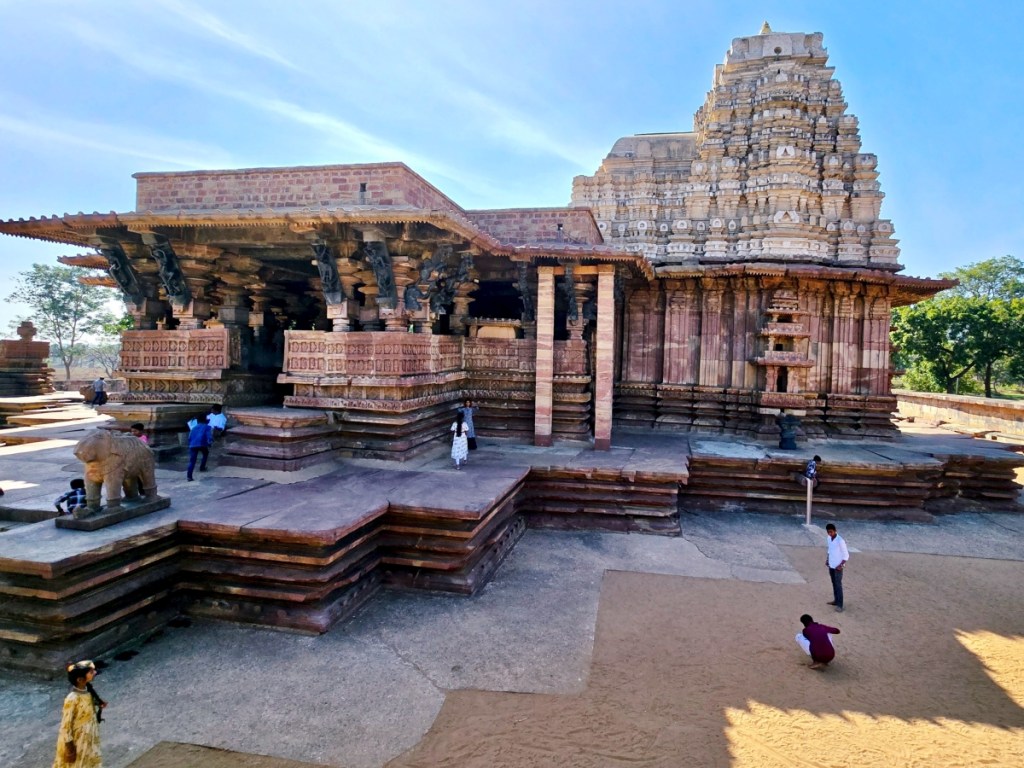
While the temple is stunning, it could benefit from more informational boards detailing its history and significance. There were no tour guides available either. We tagged behind a school group who had a guide explaining the significance of the structure, so we could glean some information out of that.
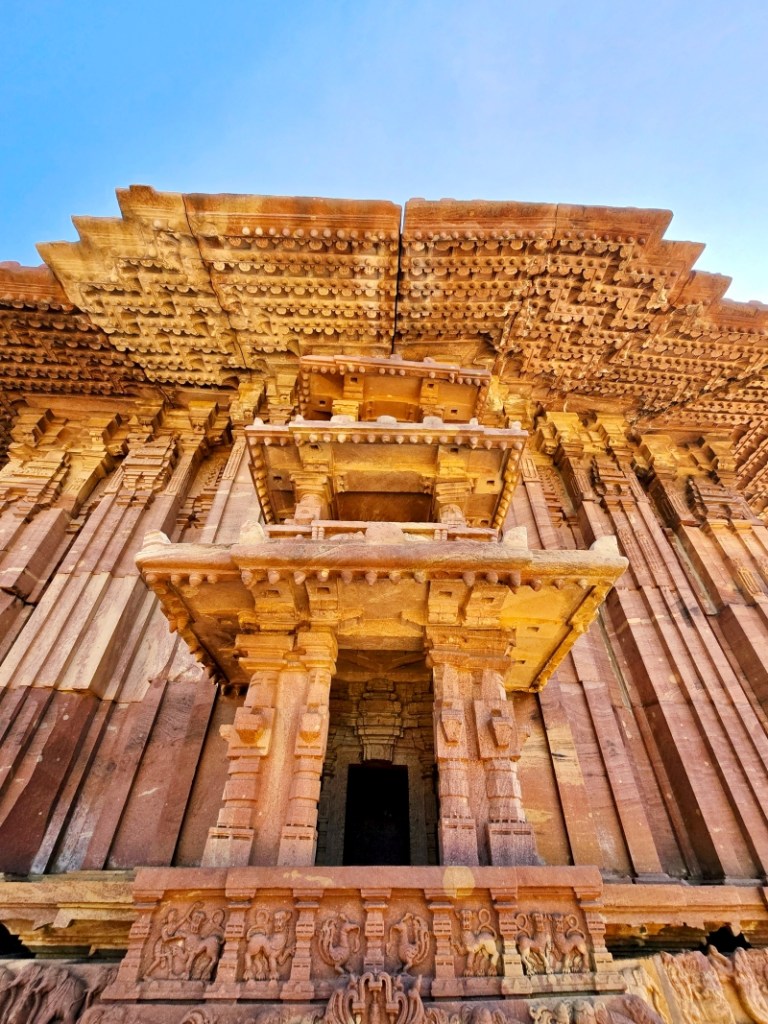

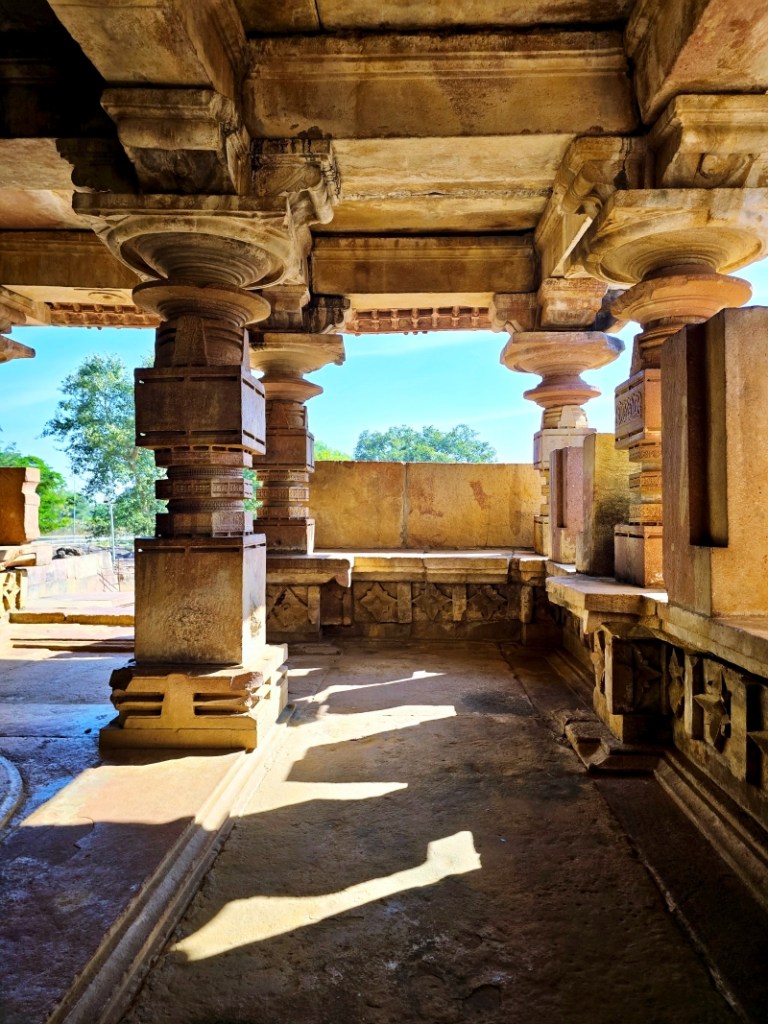
As it’s a live temple, you’ll need to leave your footwear outside the complex. The temple grounds aren’t very large—you can comfortably explore the entire site in under an hour, including time for taking pictures.
The larger complex is shaded by large trees, making it a relaxing spot to sit for a while and be entertained by the antics of the local monkey population. The washrooms were clean, which was a nice surprise.
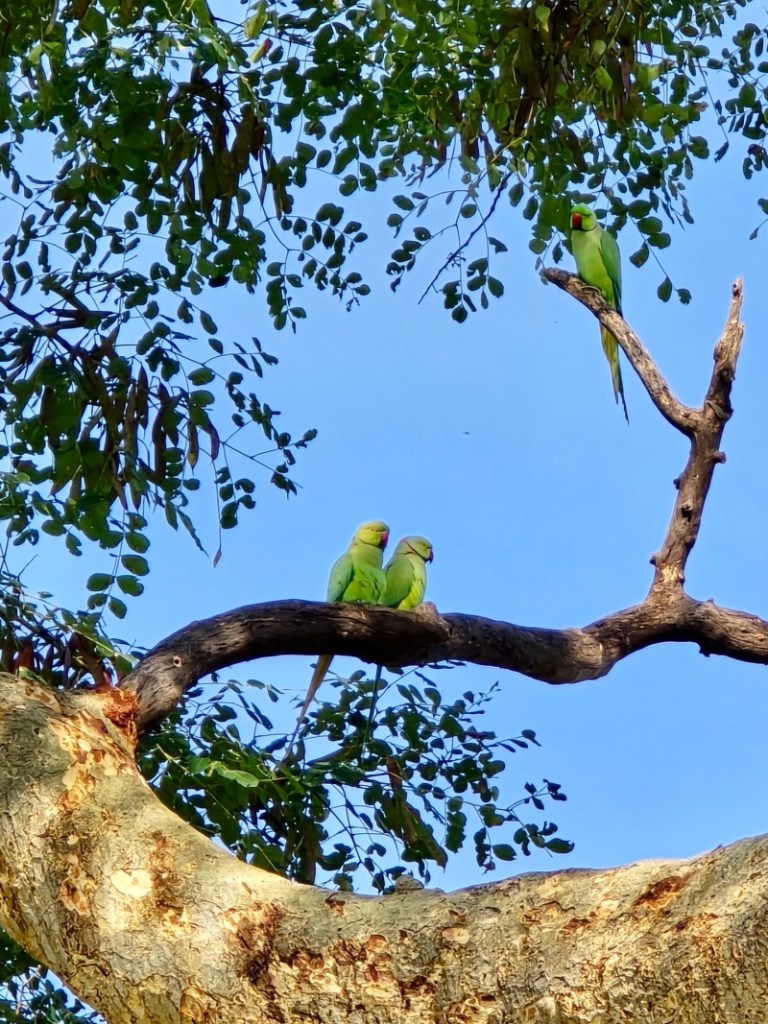
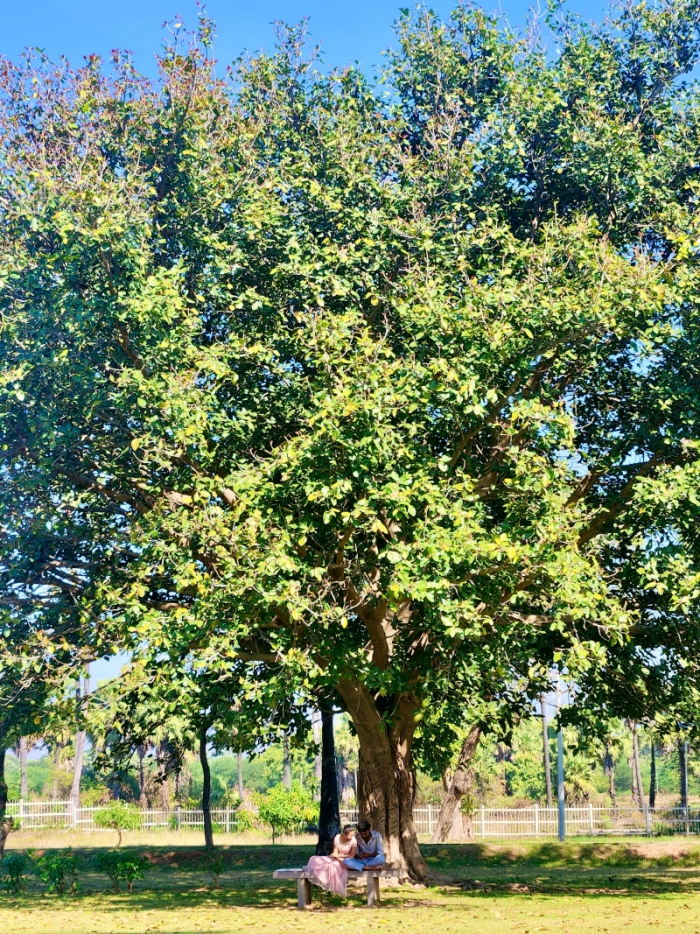
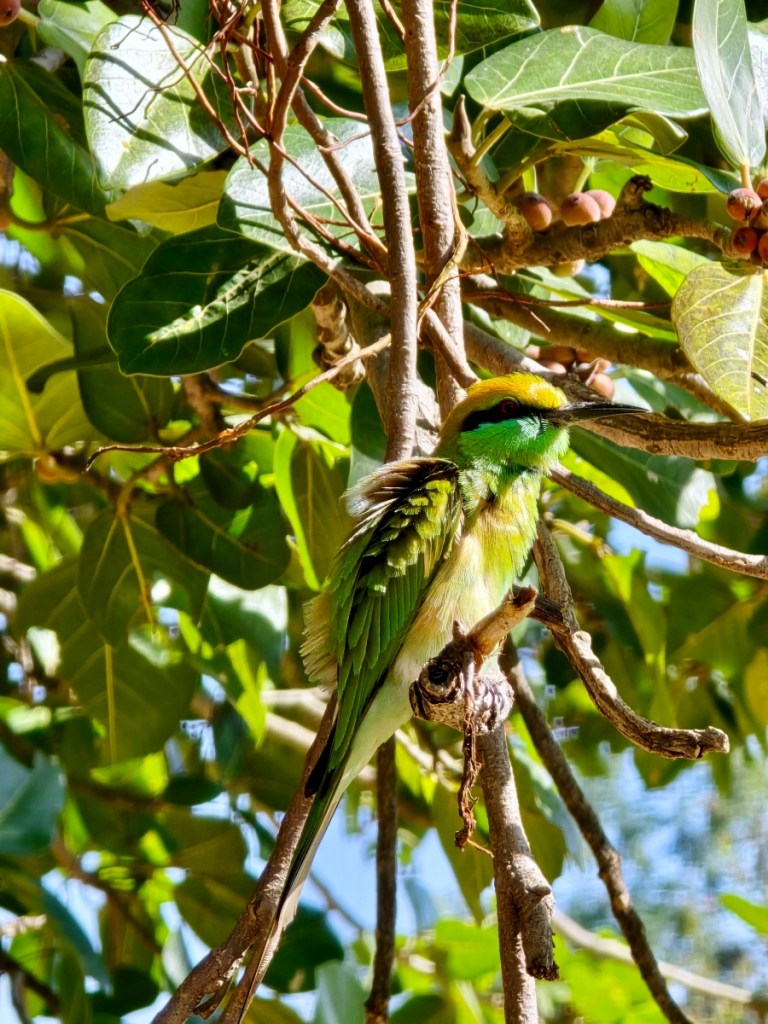
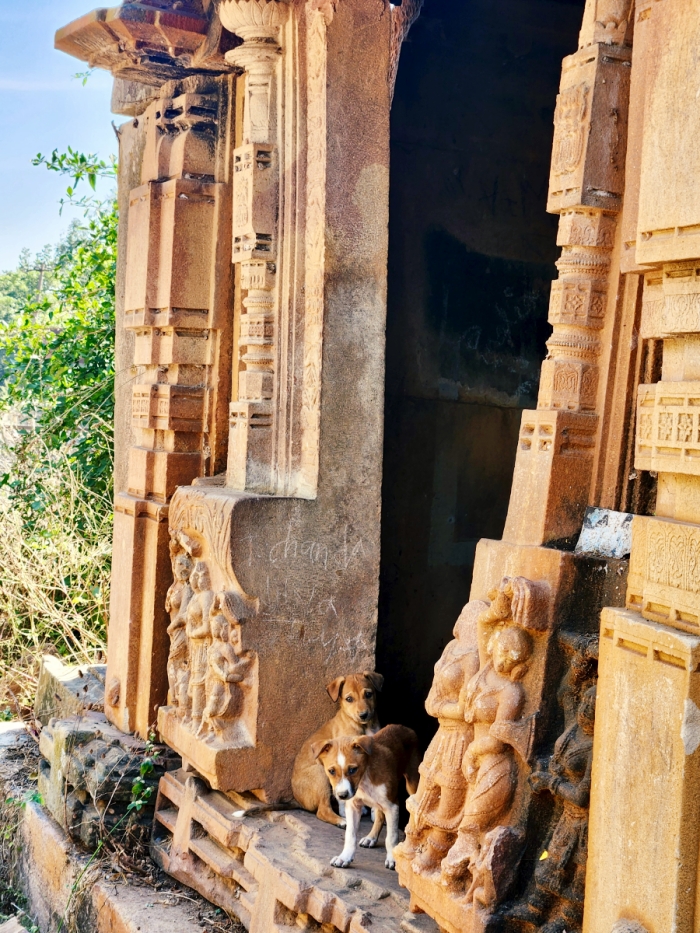
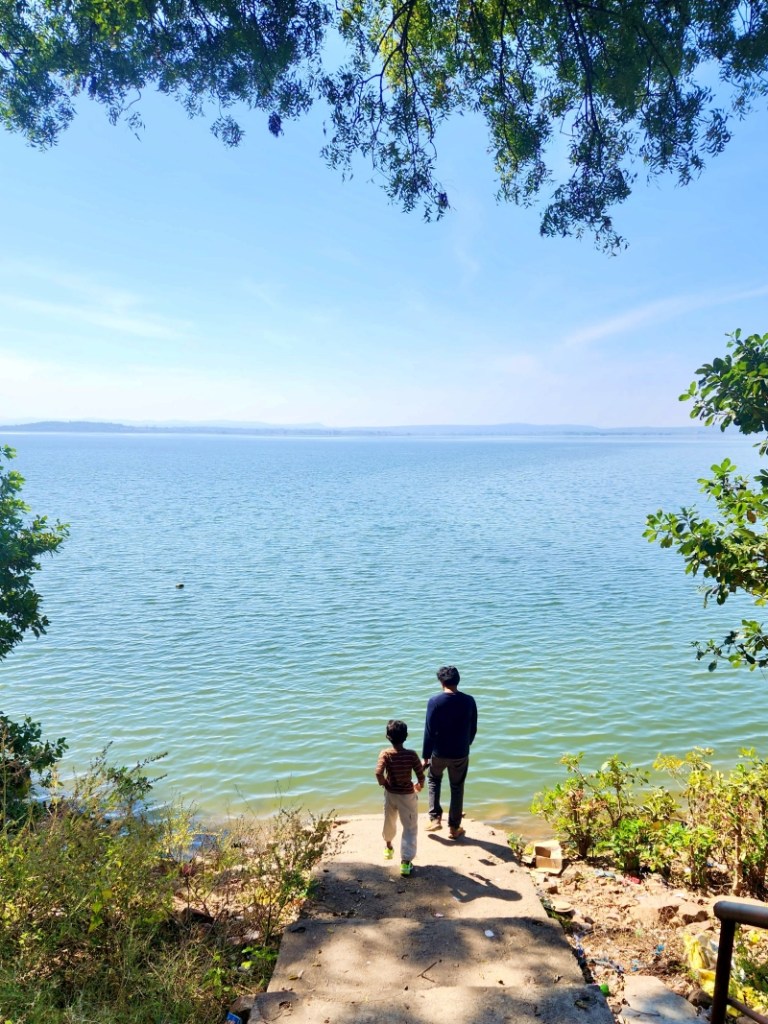
Just down the road is the Haritha Resort (we didn’t go inside). Outside the resort, you’ll find a small temple ruin and a view of the Ramappa Lake. There are steps leading down to a boat ride area, though we didn’t see any boats during our visit. There’s glass bottles and other garbage strewn all over the place and no barricades at the end of the steps leading into the water so proceed at your own discretion.
Bhadrakali Temple
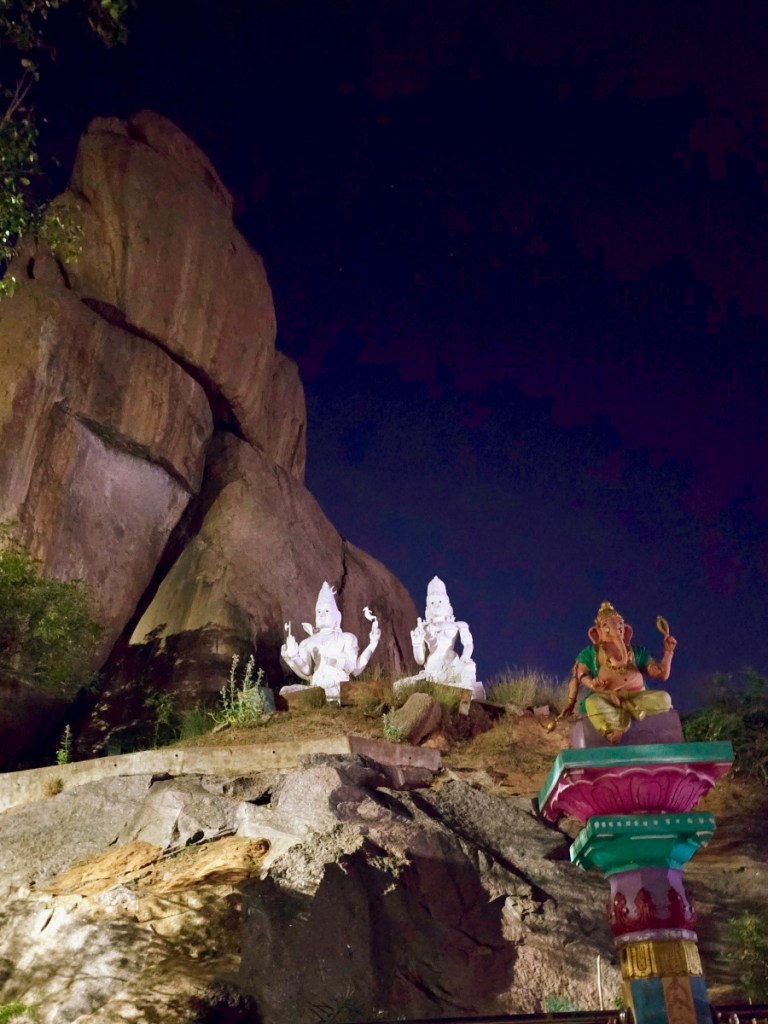
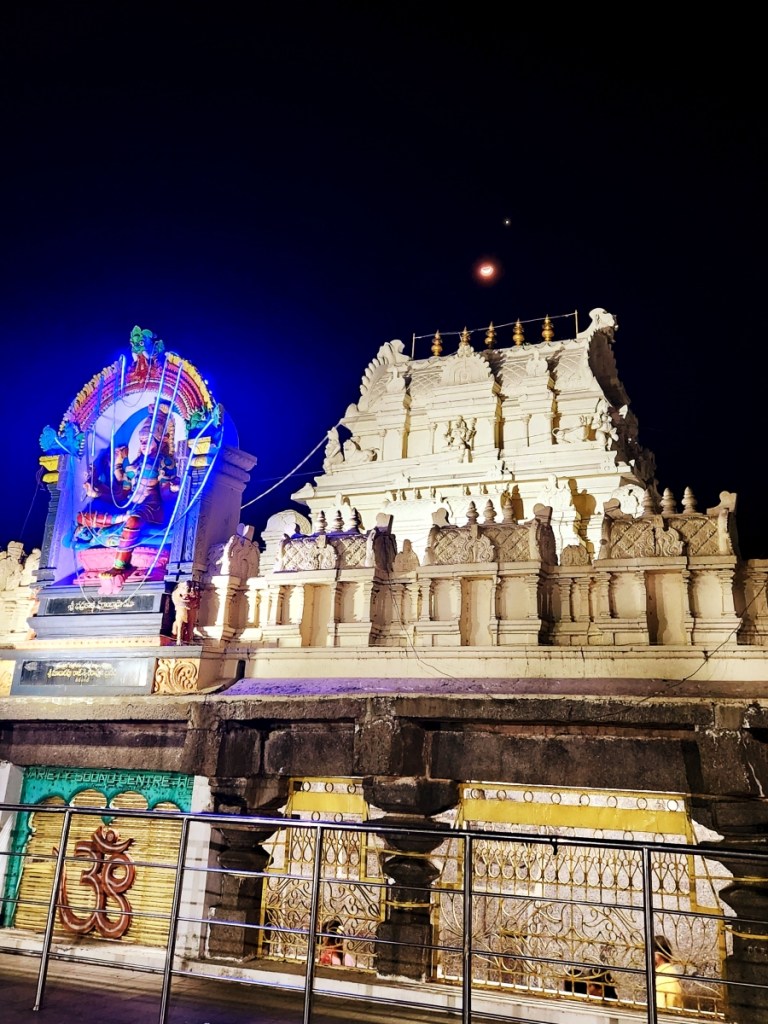
Bhadrakali Temple is a small yet significant temple, surrounded by large boulders on one side and the lake on the other. The brilliant white statues of Lord Shiva and Goddess Parvati sit on the mountainside rocks near the entrance adding to the unique charm of the sacred spot.
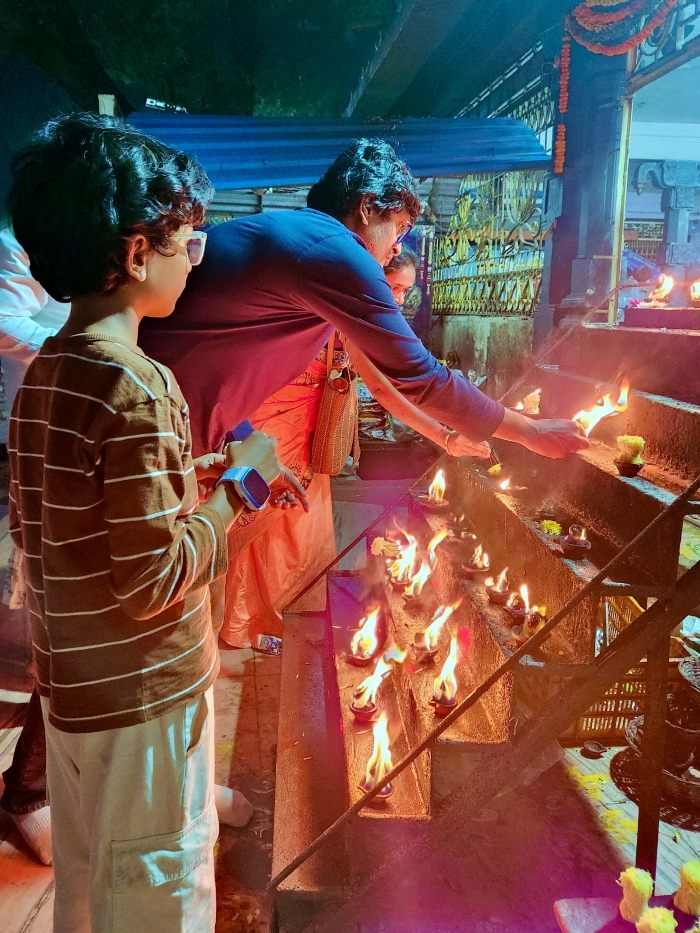
The temple is bustling with devotees at all times, especially on weekends and festivals. You can choose to join the regular darshan line to see the deity or opt for a personalised prayer service conducted by the priests for a small fee. It is closed in the afternoons.
The temple grounds are lively, with monkeys frequently roaming around, so it’s a good idea to keep food and belongings secured. There’s also a dedicated space where visitors can feed cows.
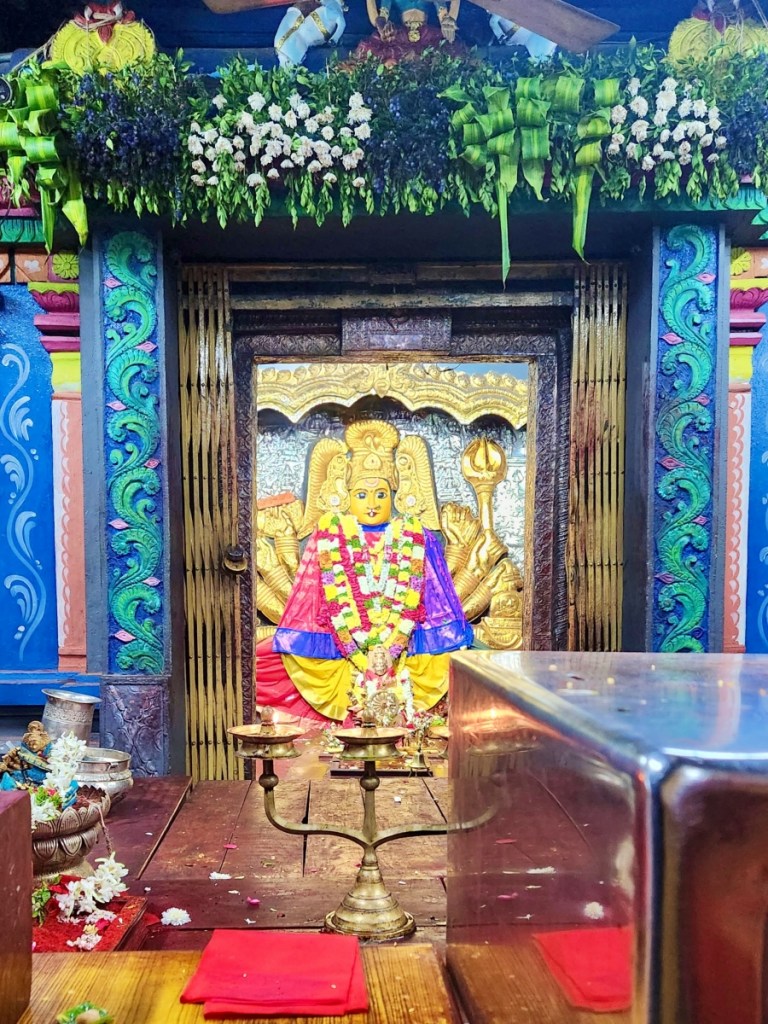

The Bhadrakali Temple was built in 625 CE by King Pulakeshin II of the Chalukya dynasty to commemorate his victory over the Vengi region and is dedicated to Goddess Bhadrakali, a fierce and powerful form of the goddess Kali. The main idol, a 2.7-meter stone sculpture, depicts the goddess in a seated position with eight hands, each holding a weapon. The stone idol is now covered with gold plating so the original structure is no longer visible.
According to legend, Goddess Bhadrakali is said to have helped the Kakatiya kings in their battles, making the temple a symbol of strength and protection. The temple’s architectural design reflects the distinct Kakatiya style, with intricate carvings and stunning statues of the deities.
The temple also houses shrines to Lord Shiva, Hanuman, Subramanya Swamy, and the Navagrahas. The Lord Vigneshwara shrine, built outside the main temple, is a later addition. The temple is historically significant, as some accounts state, that the Koh-i-Noor diamond was once placed as the left eye of the goddess by the Kakatiya dynasty.
Bhadrakali Geo-Bio Diversity Cultural Park
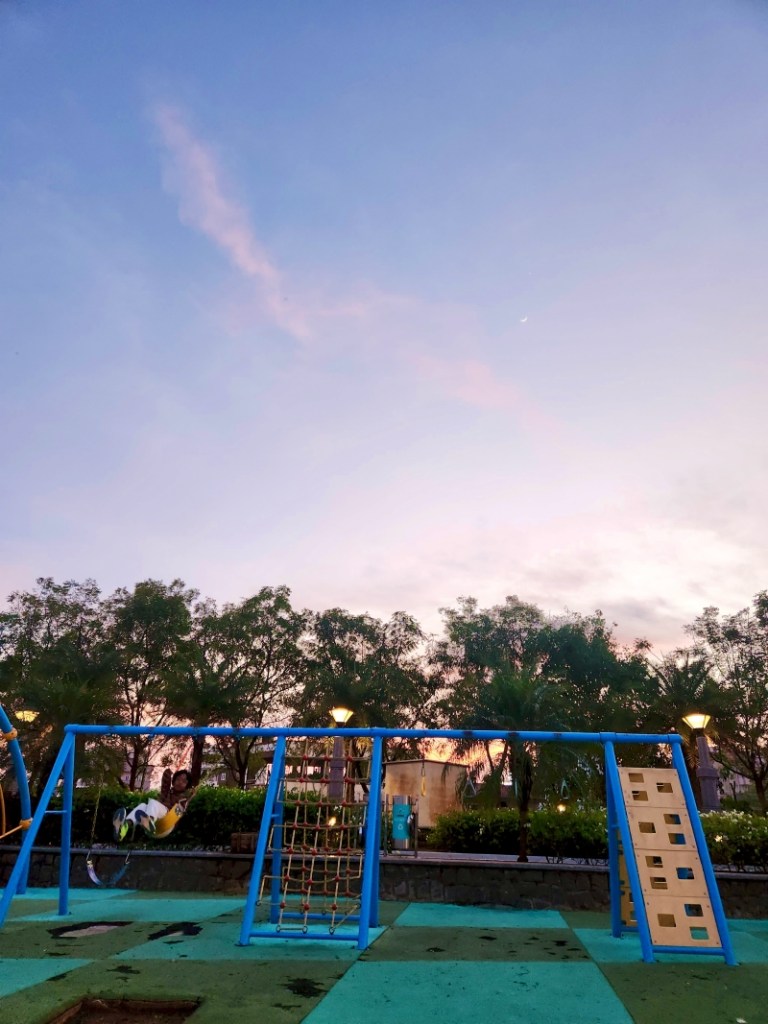
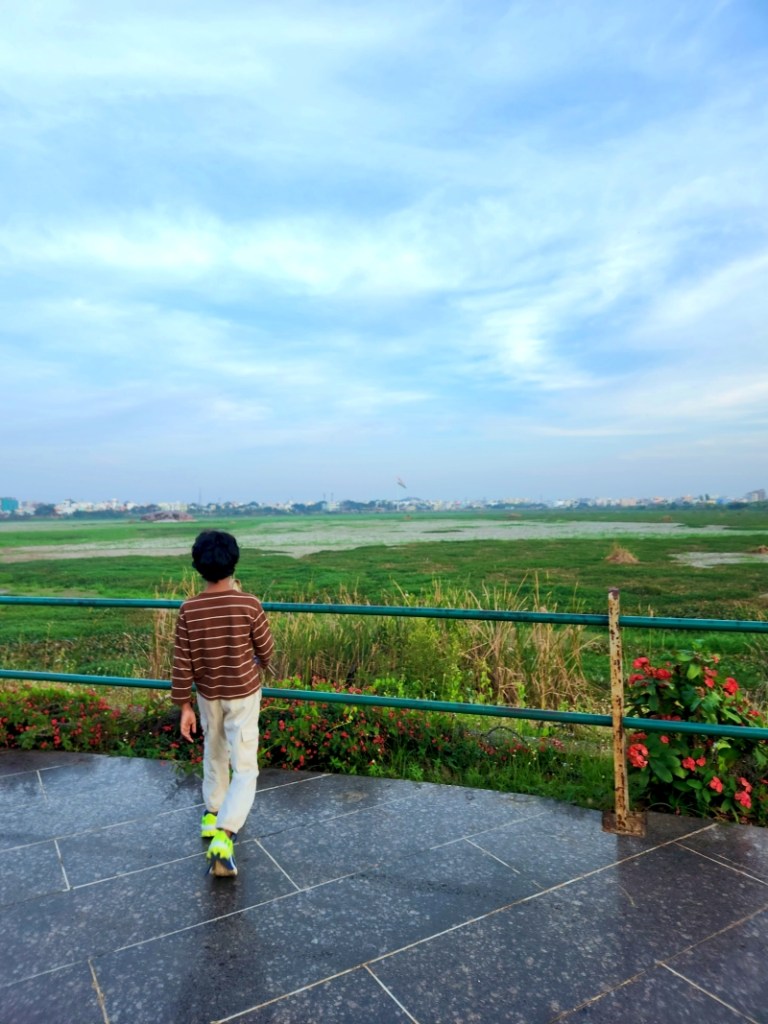
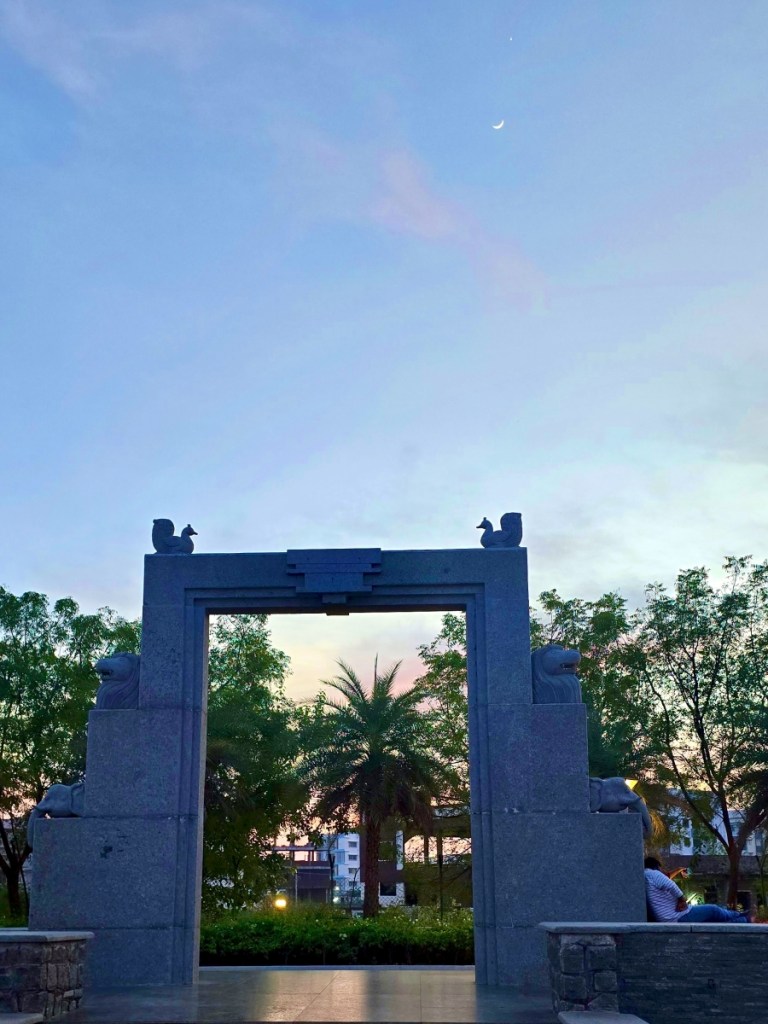
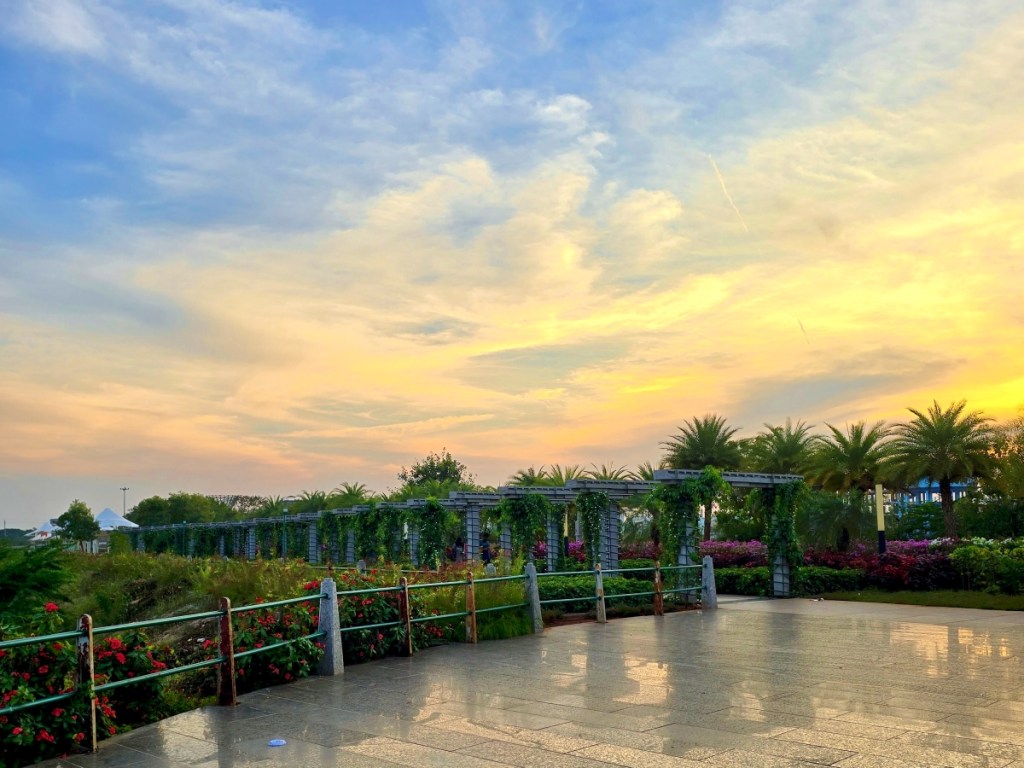
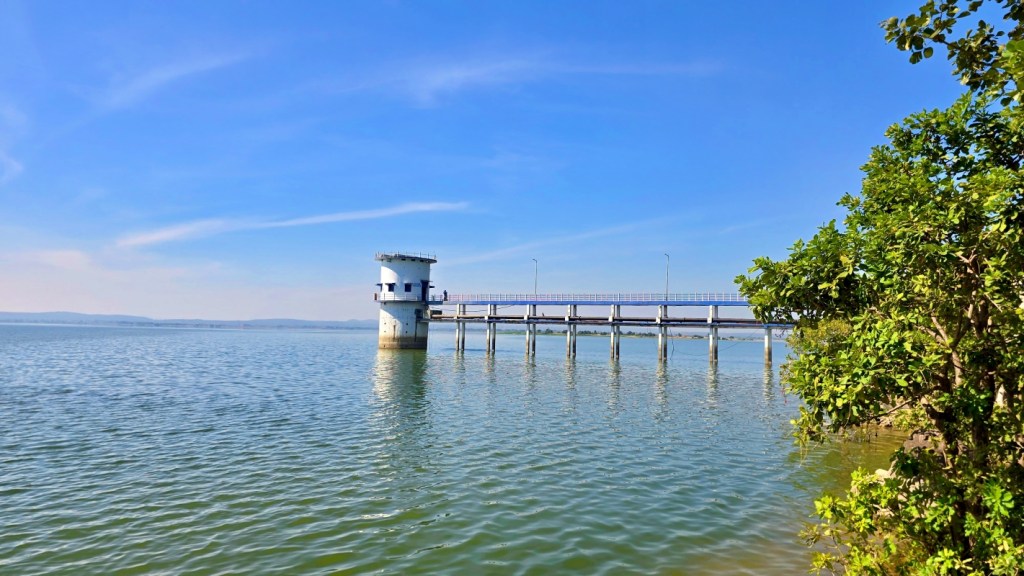
The Bhadrakali Lake is a man-made reservoir constructed during the Kakatiya reign, originally intended to provide water for irrigation and other essential needs. Spanning around 2.5 km, the lake is surrounded by natural rock formations. While there is an old park nearby, it’s not well-maintained, so we opted for the newer promenade instead.
To our utter shock, we found the lake completely dry. It turns out that the water has been drained for a large-scale cleanup initiative, and fresh water will be reintroduced once the process is completed. Despite this, the promenade remains a great place to walk, especially with kids. We could only imagine how great it would look with water in the lake and functioning eateries.
There is an entry fee for visitors over 12 years of age, as well as parking charges for vehicles. The entrance is located near Kadai Drive-In on Hunter Road (not where Google Maps directs you). It is a nice place to spend the evening taking a leisurely stroll.
Thousand Pillar Temple
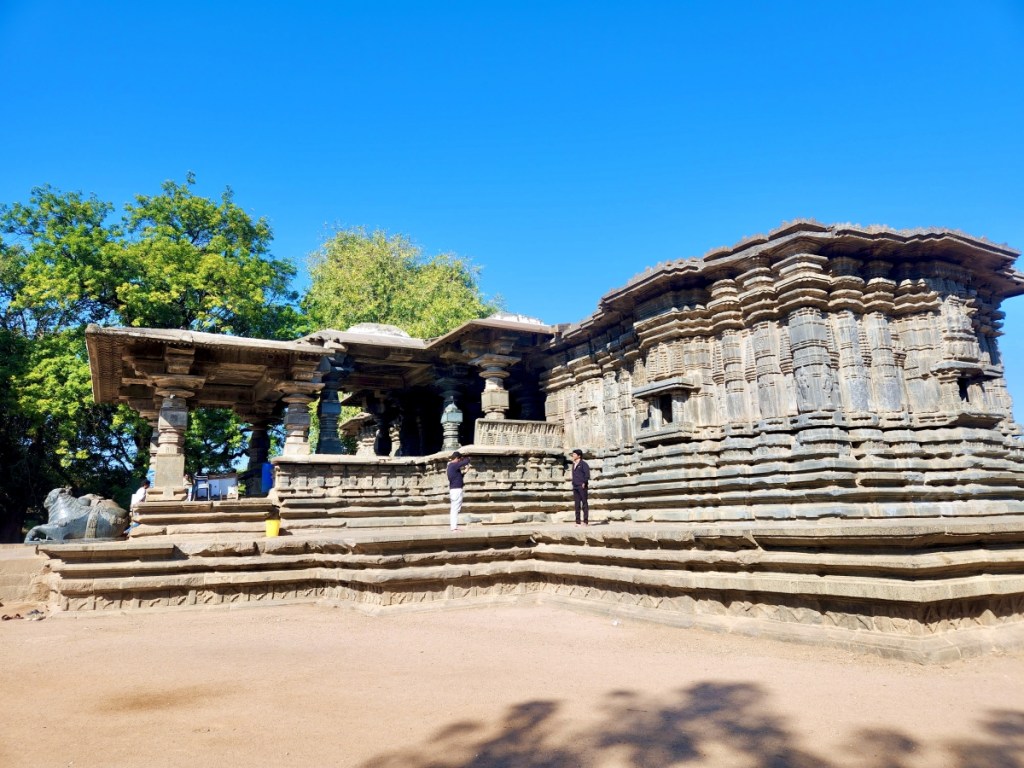

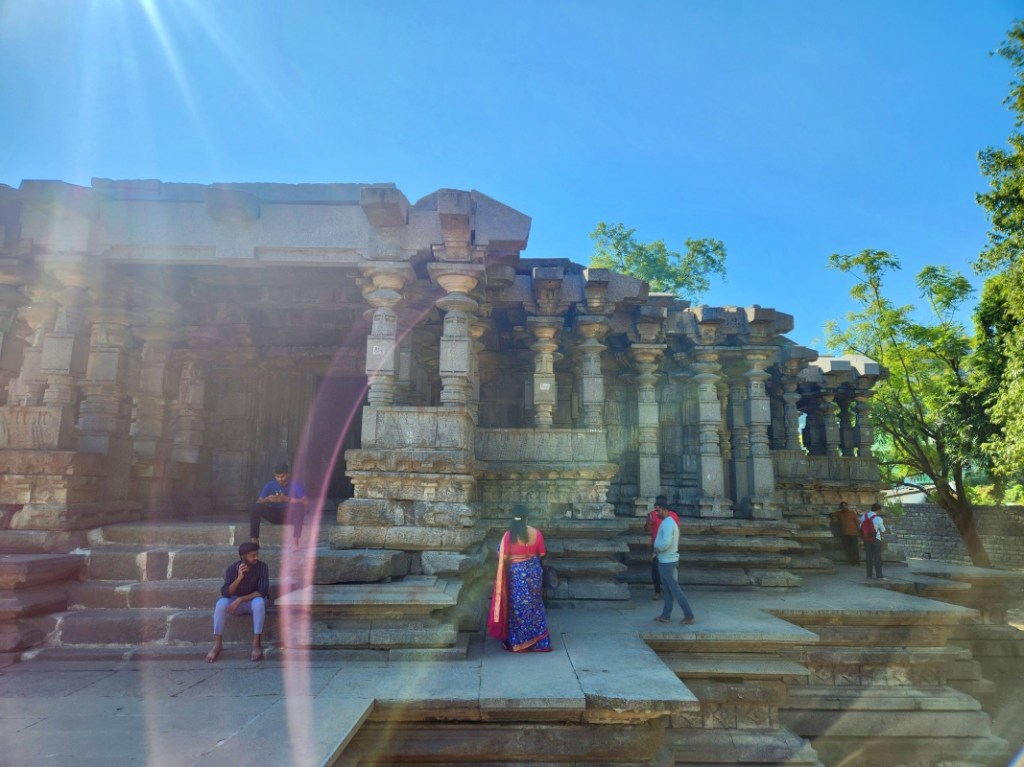
The Thousand Pillar Temple, also known as Rudreshwara Swamy Temple, is a historic marvel built in the 12th century by the Kakatiya dynasty under the reign of King Rudra Deva. It is dedicated to Lord Shiva, Lord Vishnu, and Lord Surya. The iconic Nandi bull, carved from a single piece of black basalt stone, stands majestically, watching over the temple.

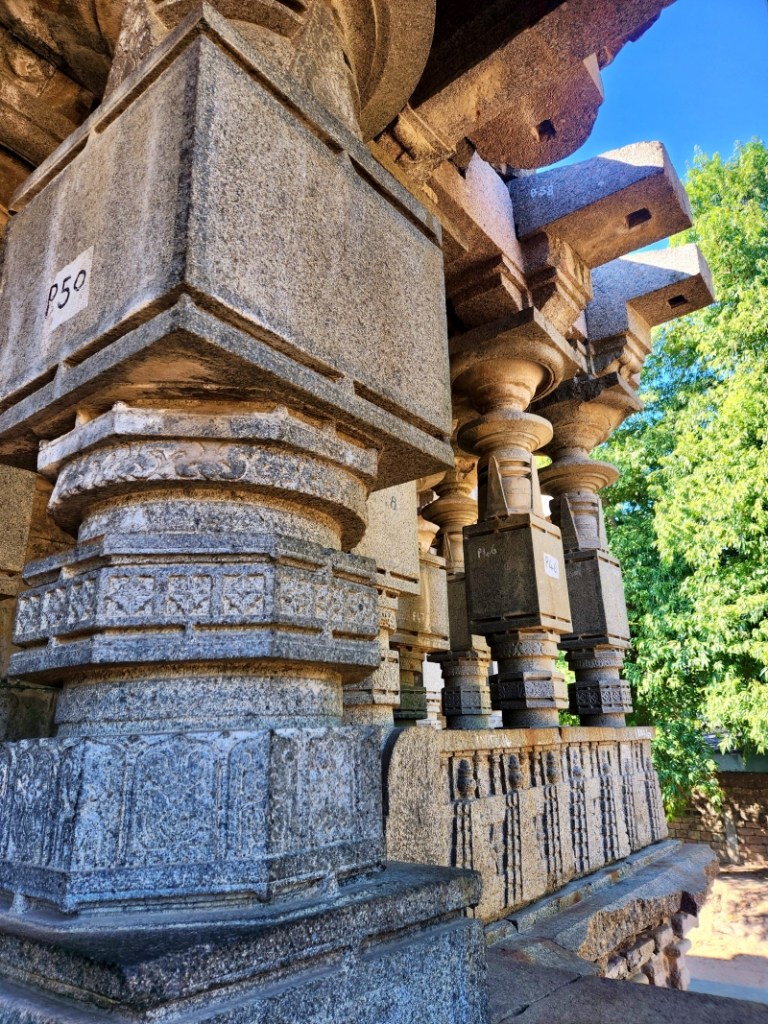
The temple is renowned for its intricately carved pillars, though the current count falls short of the thousand suggested by its name. The temple was one of many that were desecrated during the Tughlaq Dynasty invasion.
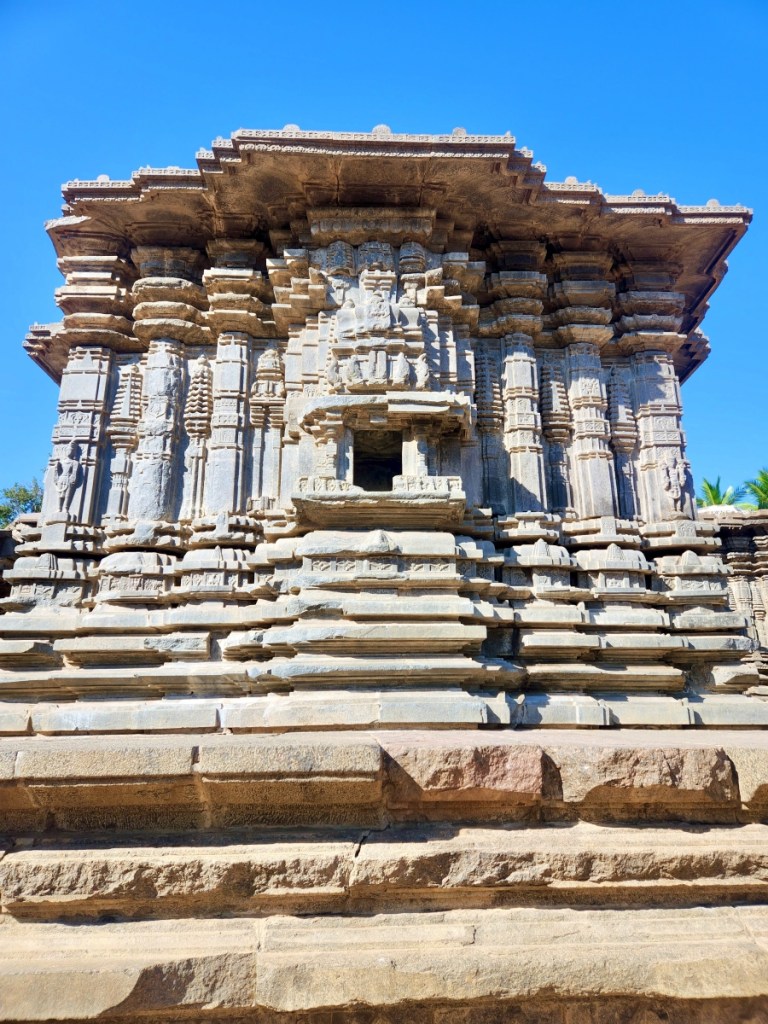
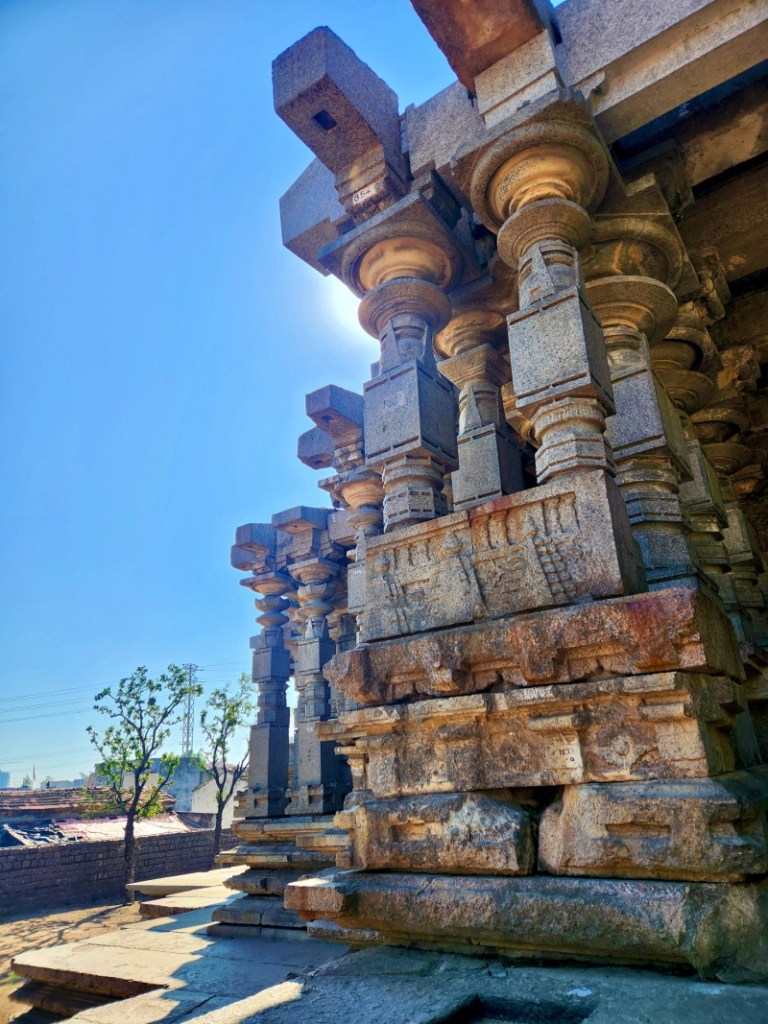
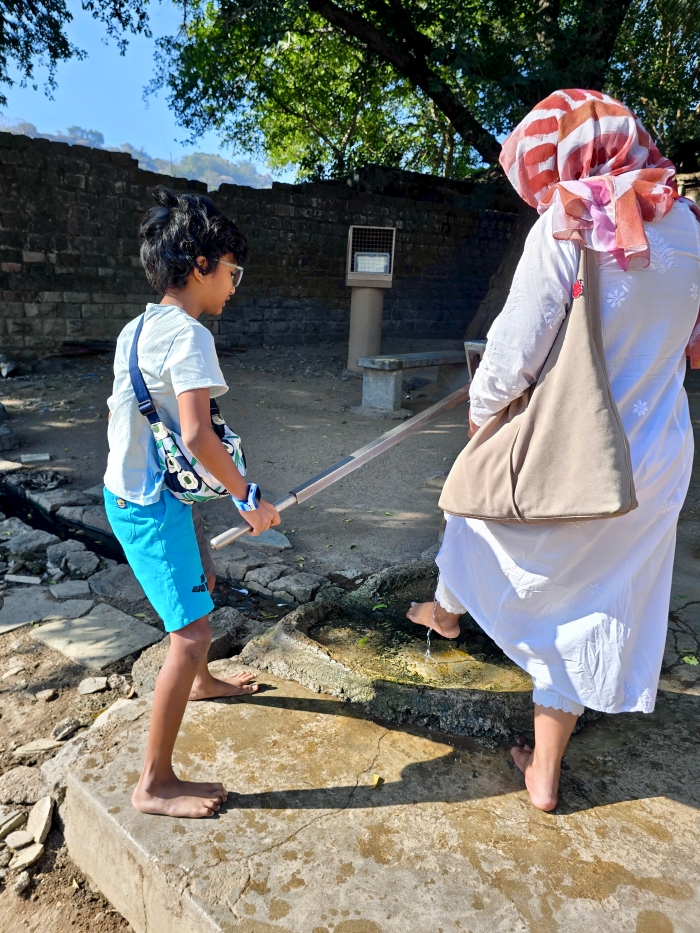
The main temple remains a functioning place of worship, where visitors are required to wash their feet before entering. Photography is strictly prohibited inside the main temple building. For those seeking a spiritual experience, private prayers can be arranged within the sanctum.
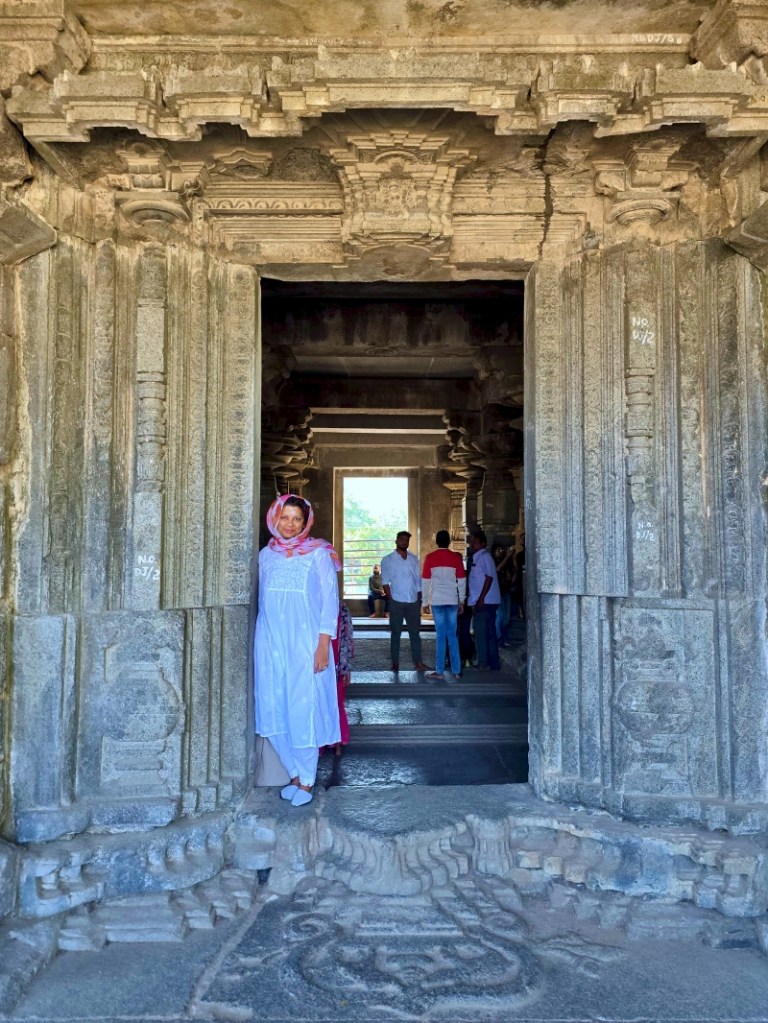
There is another section of the temple which is devoid of idols. Here, the pillars are less ornate compared to those in the main temple, and are built quite close to one another. So it is easy to see how they could’ve made a thousand of these in a smaller space. There are still some parts that are being restored, although it’s too late for many of the pillars that have collapsed due to negligence in the past.
During our visit, the temple was quite crowded, which made it less serene compared to the Ramappa Temple. While impressive in its historical and spiritual significance, it doesn’t quite match the architectural finesse of the Ramappa Temple.
Warangal Fort

We arrived expecting a grand fort structure, but instead found remnants of the Warangal Fort, including sections of the original walls and a large park displaying sculptures and the iconic entry gates. The fort ruins are scattered across the city, but, unfortunately, there are no guides or proper markers to help visitors explore all the parts—you often stumble upon them by chance.
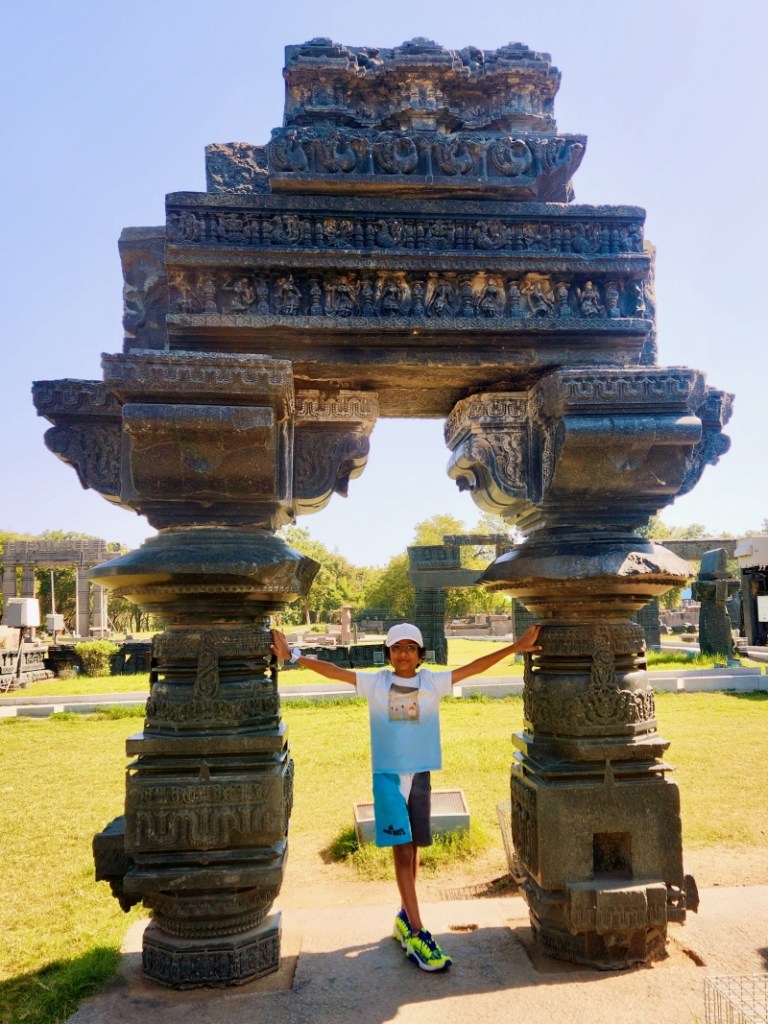

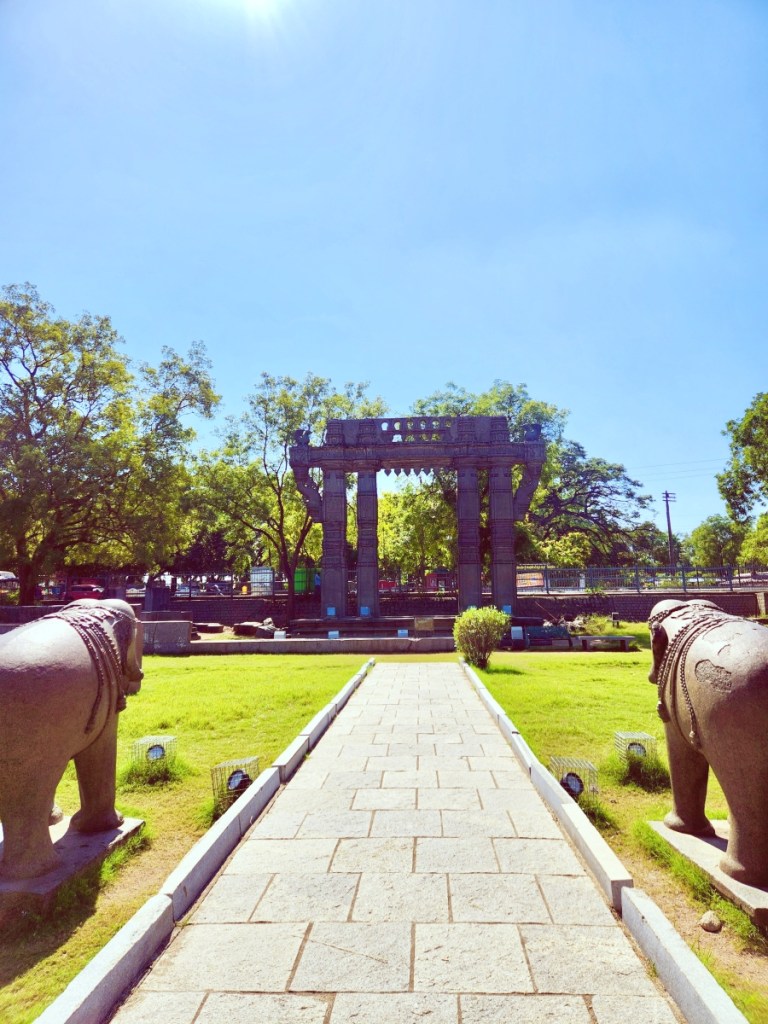
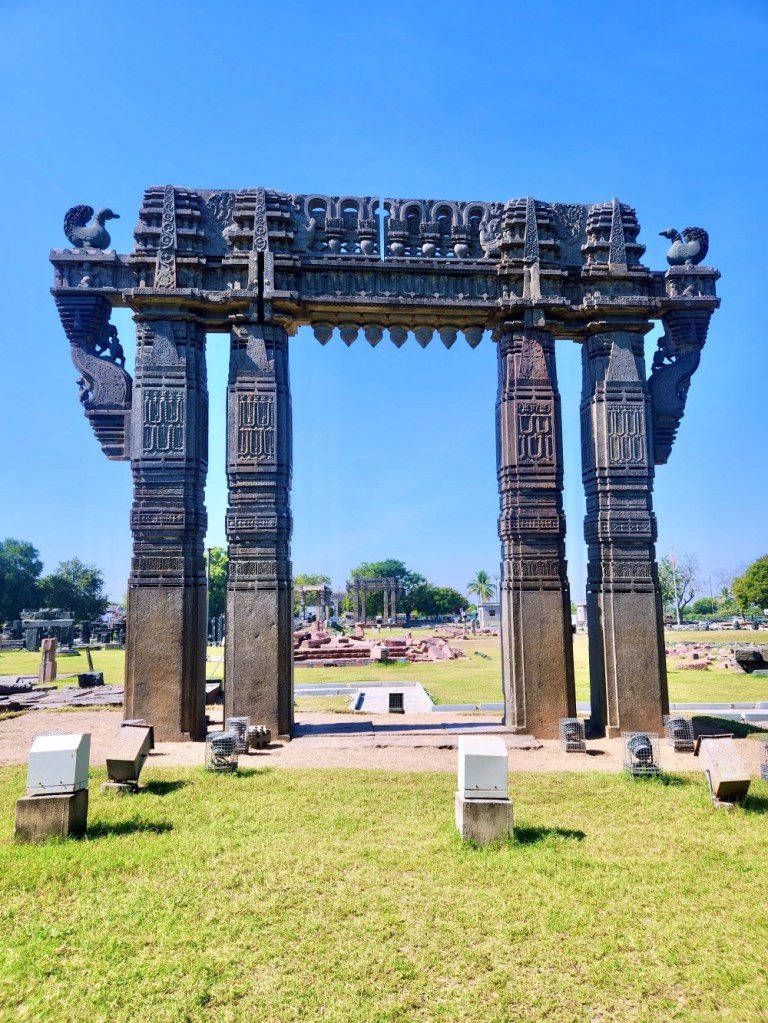
The main attraction at the display area are the Kakatiya Kala Thoranam (Gateways of Glory). These stunning ornamental gates that now serve as the state emblem of Telangana, were carved from a single rock and were originally part of the Swayambhudeva Temple, built in the 12th century. The gates are an incredible example of Kakatiya craftsmanship.

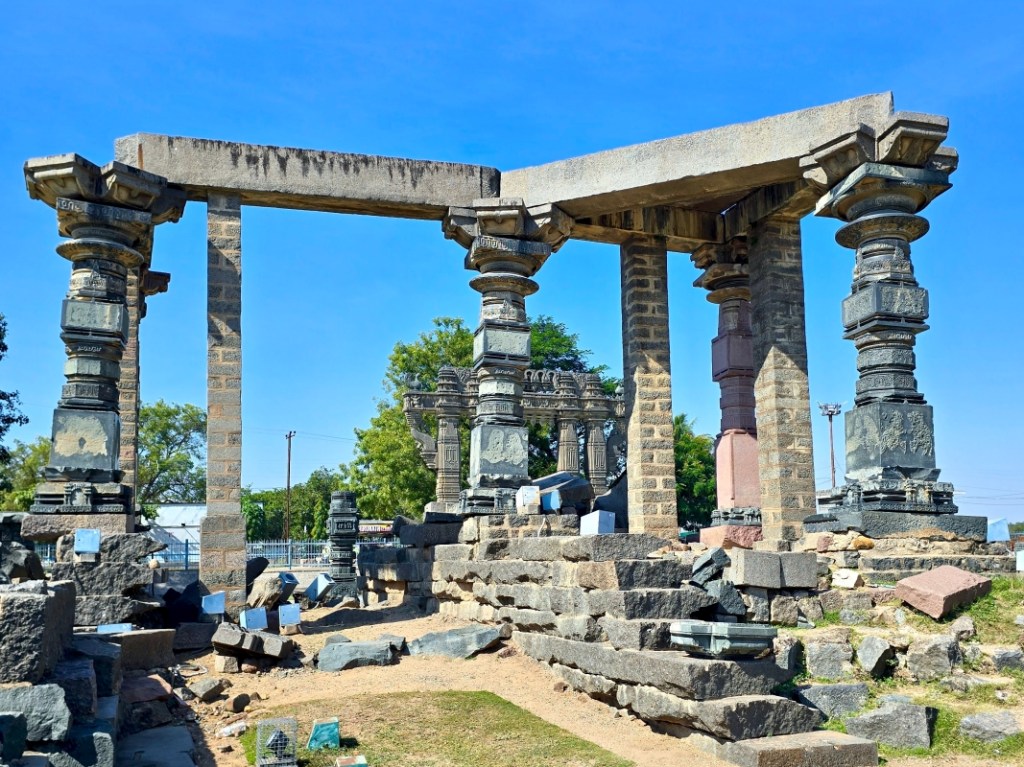
Scattered throughout the park are beautifully carved stone reliefs, columns, and sculptures, with the majestic Nandi bull standing out as a highlight. Many of the intricate carvings bear visible marks of destruction inflicted by invading armies with chisels and hammers.
For those staying into the evening, there’s a light and sound show—in Telugu at 6:30 PM and in English at 7:30 PM—that narrates the fort’s history. Note that there is a separate entry fee for the compound and the show.
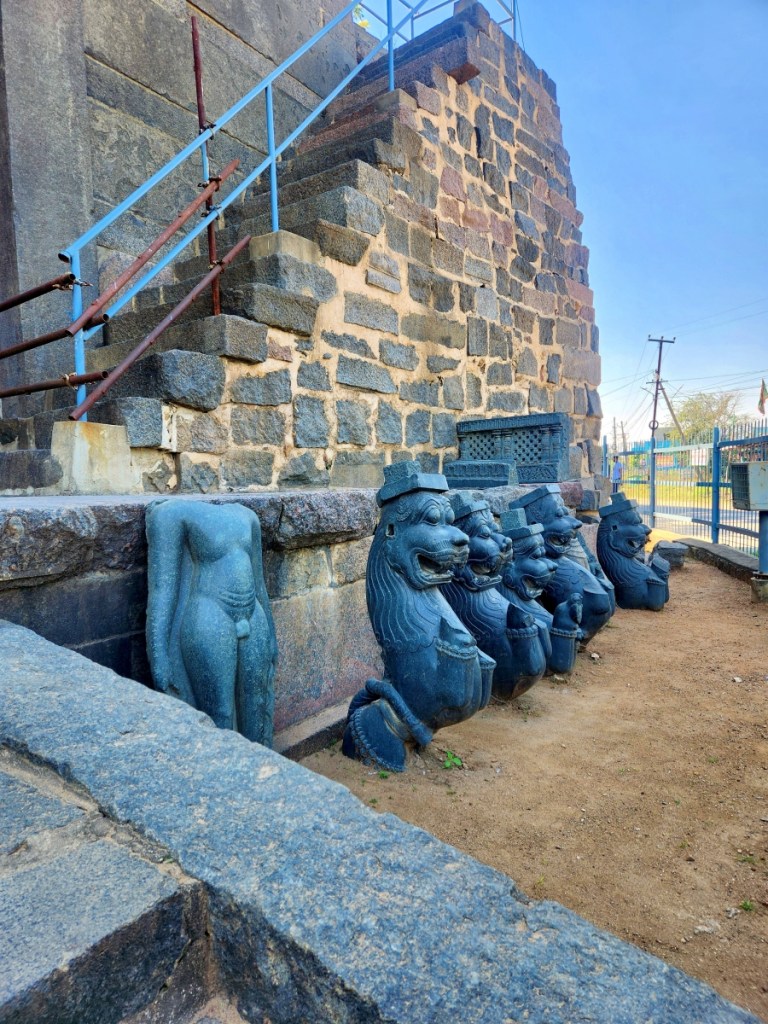
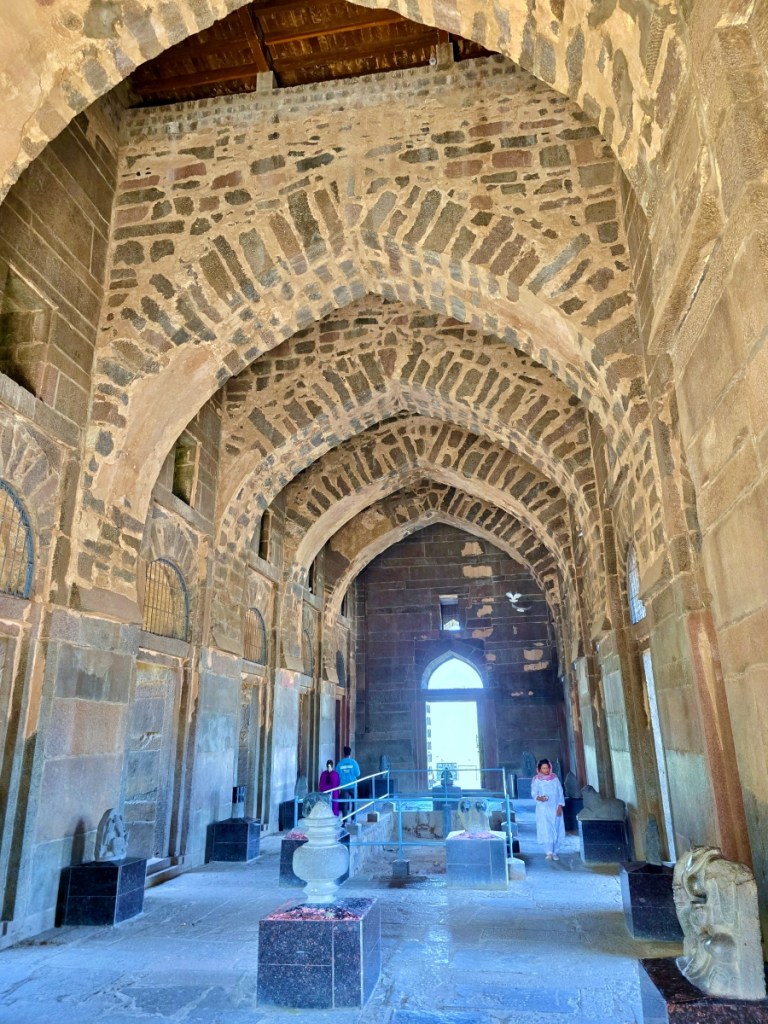
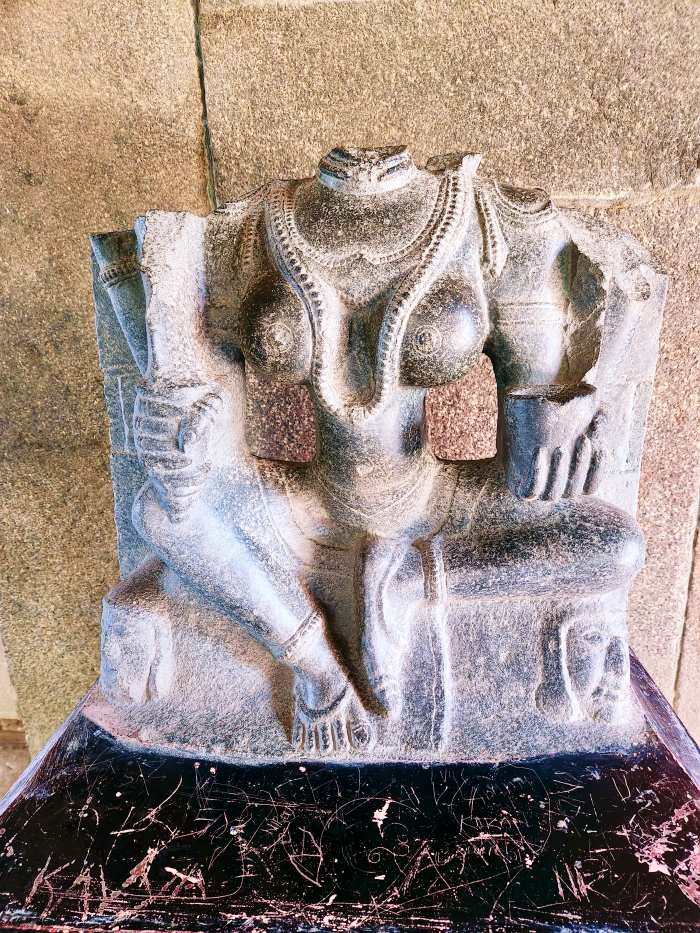
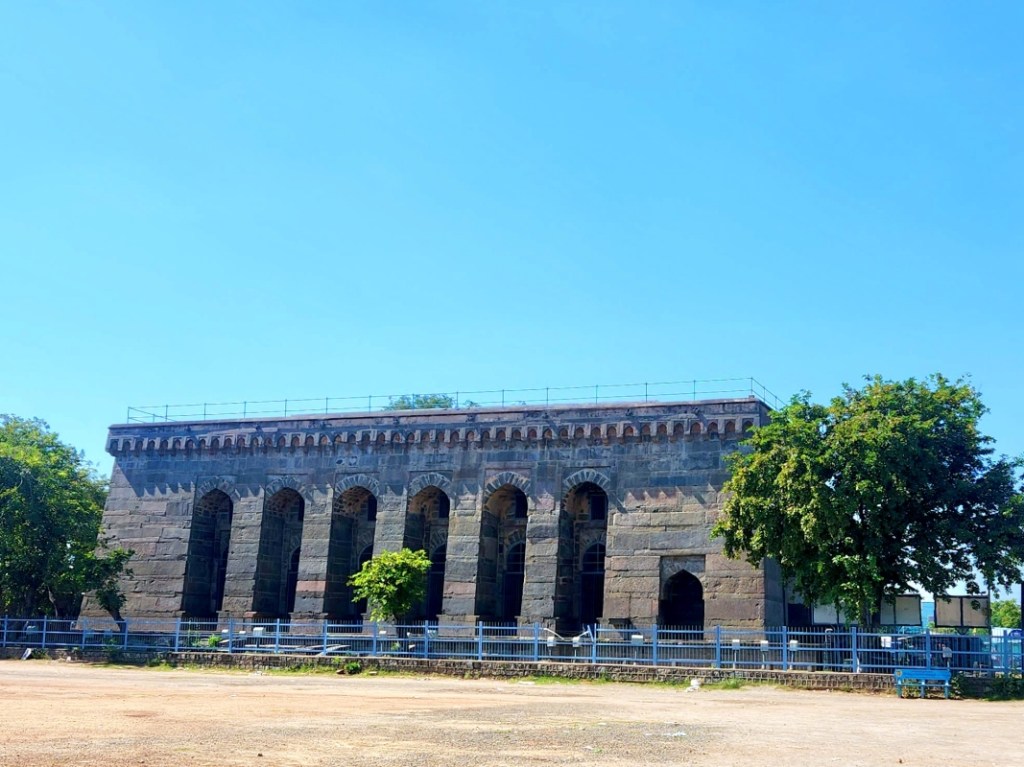
Adjacent to the fort is the Kush Mahal, a public hall built in the 14th century by the Delhi Sultans after they captured the region. The rectangular structure features massive sloping walls, punctuated by six arched openings on each side. There are some more stone sculptures (most of them partly broken) displayed here. Originally, a timber roof supported by five transverse stone arches covered the hall. While access to the top has now been closed, it once offered excellent views of the surrounding area.
We noticed more ruins scattered nearby, but the roads were too narrow for a car, so we skipped further exploration.
Kolanupaka Jain Temple
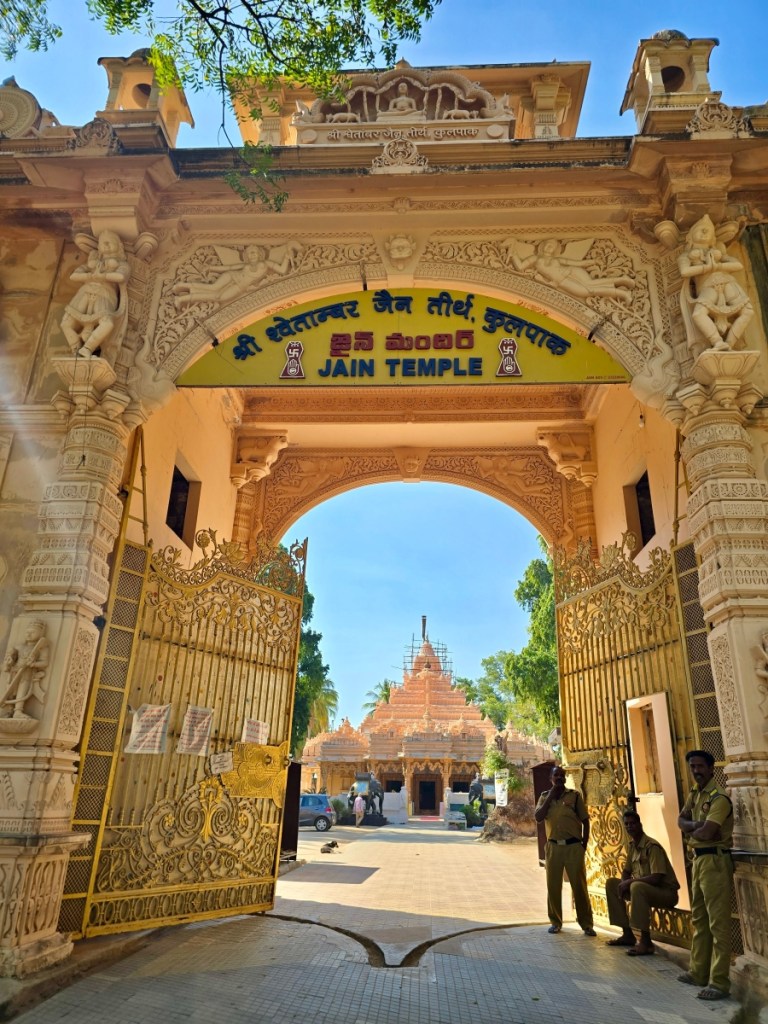
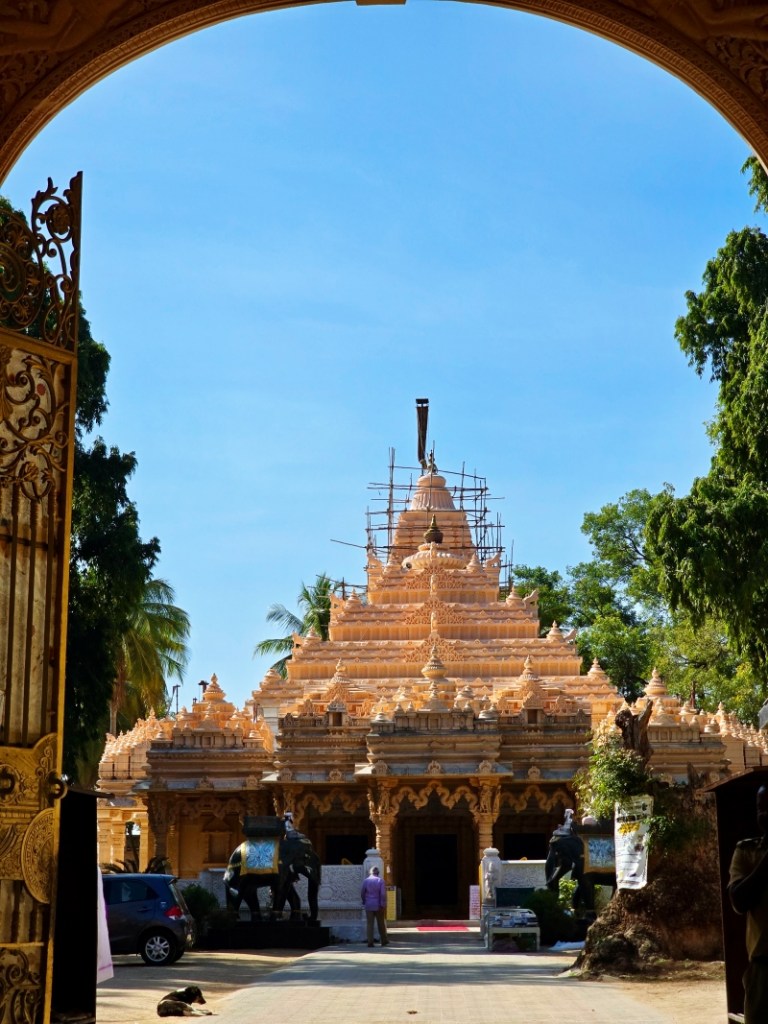
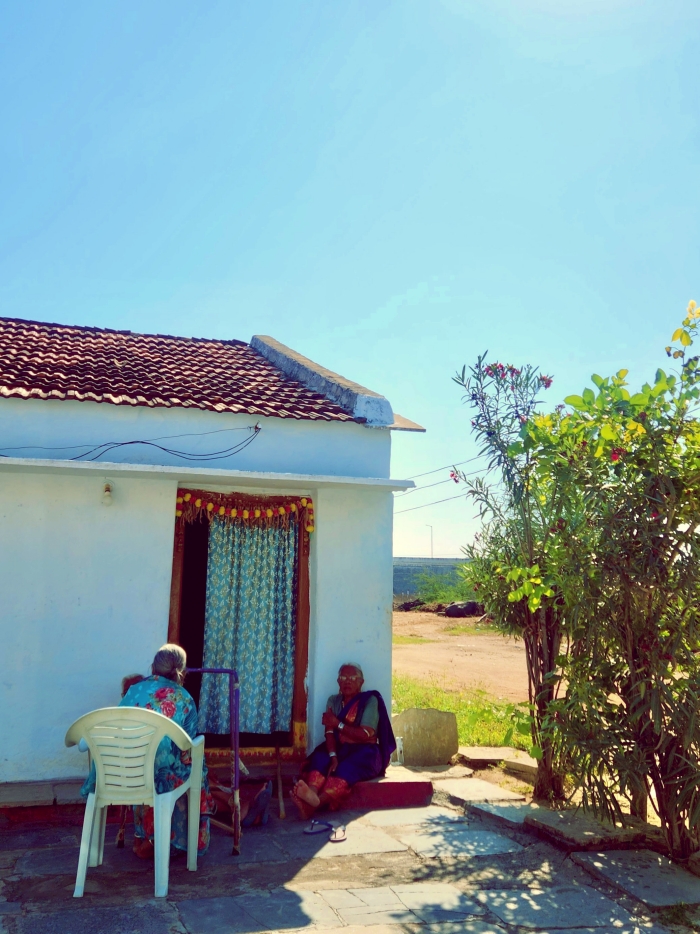
The Kolanupaka Jain Temple, also known as Kulpakji, is a historic site believed to be over 2,000 years old. It is one of the most revered Jain temples in the region, dedicated to Lord Adinatha, the first Tirthankara.
Visitors are advised not to wear all-black attire, as it is considered inauspicious in the temple’s traditions. When we visited, the temple was closed for cleaning in the afternoon, and since we couldn’t wait 2 hours for it to reopen, we decided to revisit it on another occasion.
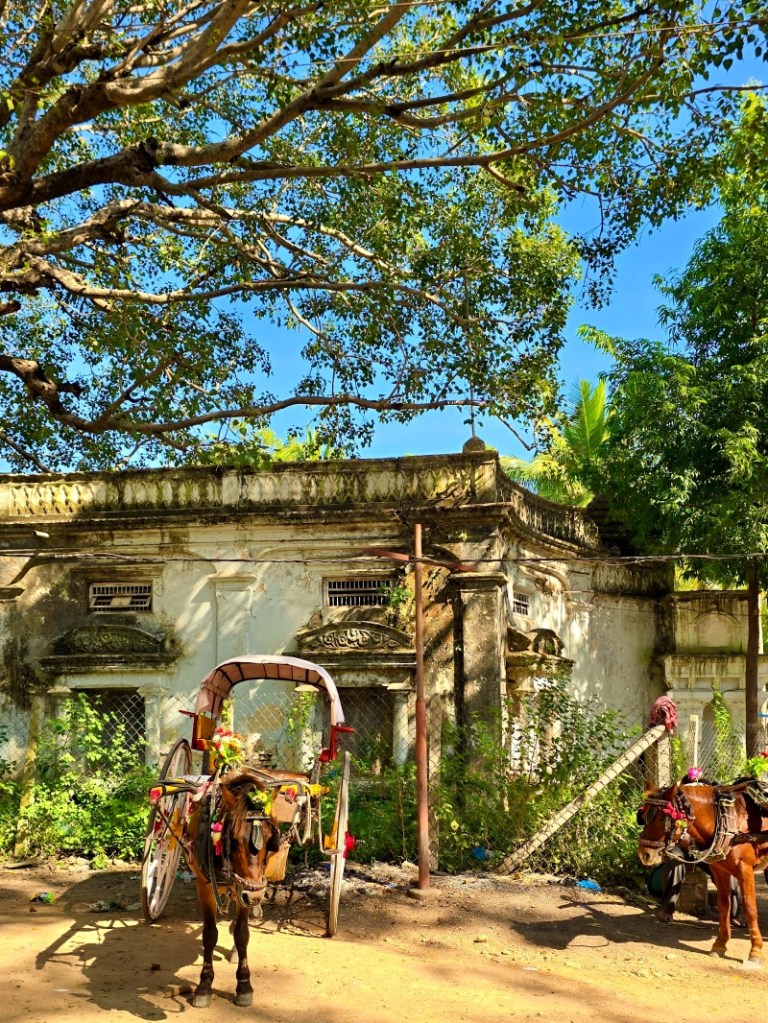
There’s also another Shiv temple on the way. Horse buggies standing outside the Jain temple offer rides to and fro for a price.
Road Trip from Hyderabad to Warangal
The route to Ramappa via ORR was pretty good, with tolls amounting to around ₹450 for a one-way trip. However, the last 35 km can be a bit tricky, with occasional bumpy patches. Keep an eye out for cyclists, pedestrians, and animals that randomly cross the road. That said, it’s a pleasant and scenic drive overall. So, queue up a great playlist, pack some snacks, and enjoy the journey!

Where to Stay in Warangal
Hanamkonda is the preferred area to stay as there are more options and the tourist sites are more accessible from here. We stayed at ML Grand, which offers spacious and clean rooms with a simple, no-frills setup. Complimentary breakfast is served in-room. The bathrooms are small but clean. All the rooms are located on a single floor. The hotel is close to key landmark temples, making it an excellent base for exploring the area.
Other nearby options to consider include Hotel Suprabha and Hotel Thousand Pillars.
We didn’t make a reservation in advance, as we wanted to check the room before booking. Although the control freak in me was not comfortable with being so spontaneous, I rationalised by telling myself that we can always drive back home to Hyderabad if nothing else works out.
Where to Eat in Warangal
Although we had packed some homemade grilled sandwiches for breakfast, we couldn’t resist stopping for some hot food. We started our day with breakfast at Taaza Tiffin in Bhongir (opens at 7 AM). The place was clean, service was quick, and the lemon tea was excellent.
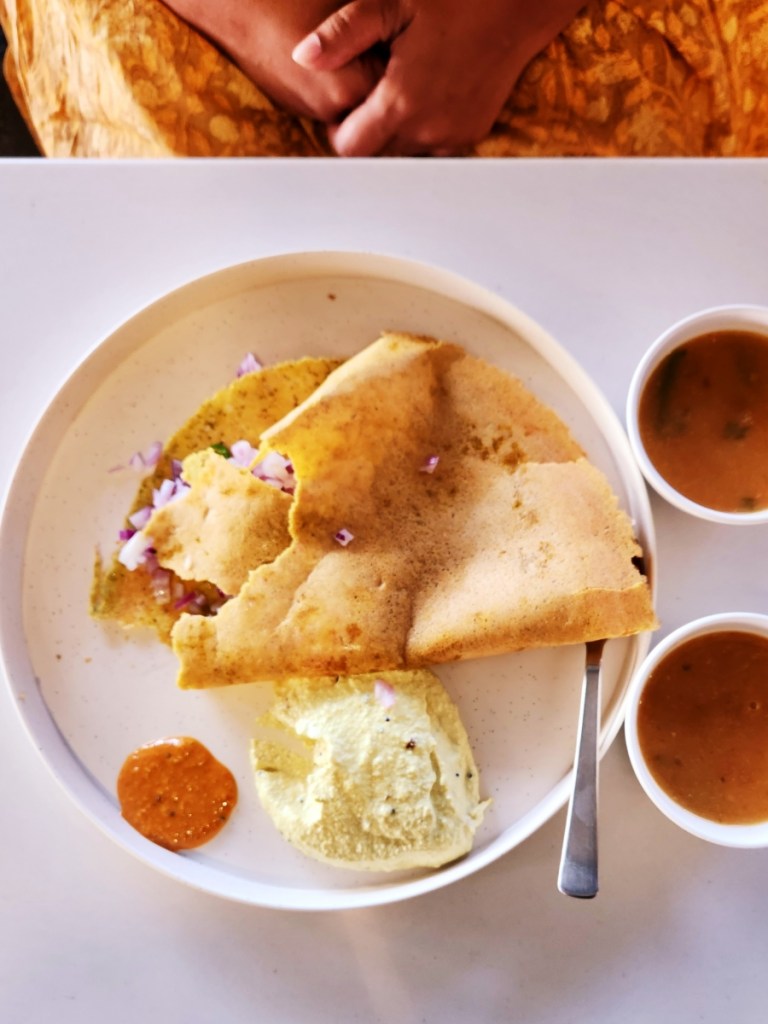

If you’re looking for alternatives, Vivera is just 200m ahead, with outlets on both sides of the road.
Around Ramappa Temple there’s not much in terms of dining or amenities. The Haritha Resort didn’t look very promising, so plan accordingly if you’re visiting. We headed to Warangal for lunch instead and had our packed sandwiches to sustain us till then.
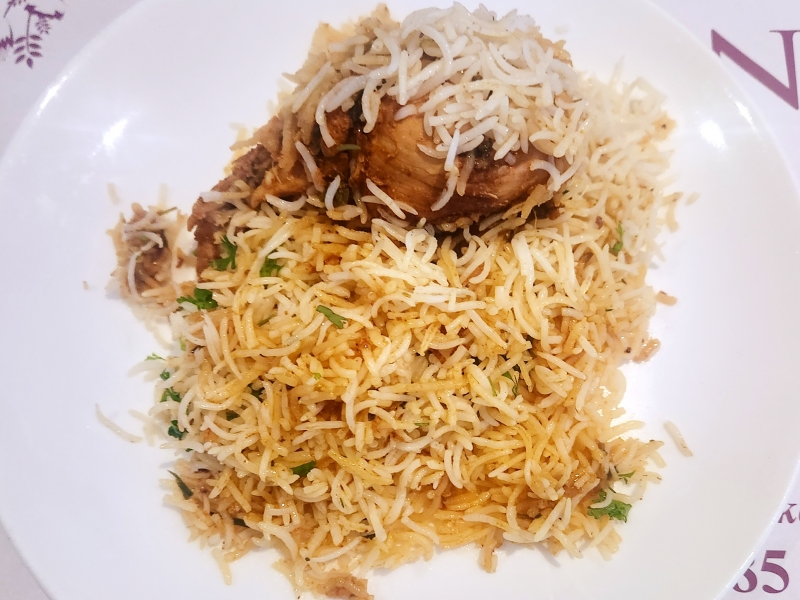
We had lunch at Popadams Blue (Nakkala Gutta branch—make sure to pick the right one as there are several listed on Google Maps). The biryani came in a huge portion and was delicious; we requested a less spicy version, and it was better than the heavenly one we get in Hyderabad.
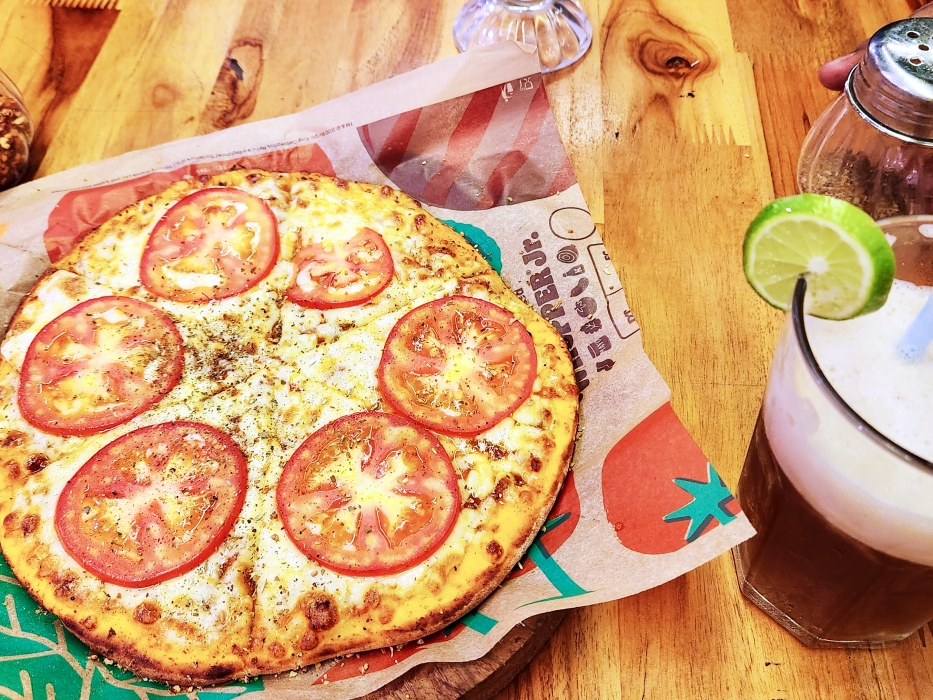
For a change of pace, Le Cuppers Café is a great rooftop option with nice music and a varied menu. We went there for dinner and the cooler weather made for a nice evening out.
On the way back to Hyderabad, we stopped at Hotel Vivera, which offered good meal options. They also had fresh farm produce for sale—we picked up cucumbers and broccoli.

Just ahead of Vivera is the new Fort Food Court, which has a small playground for kids, making it a great stop for families.
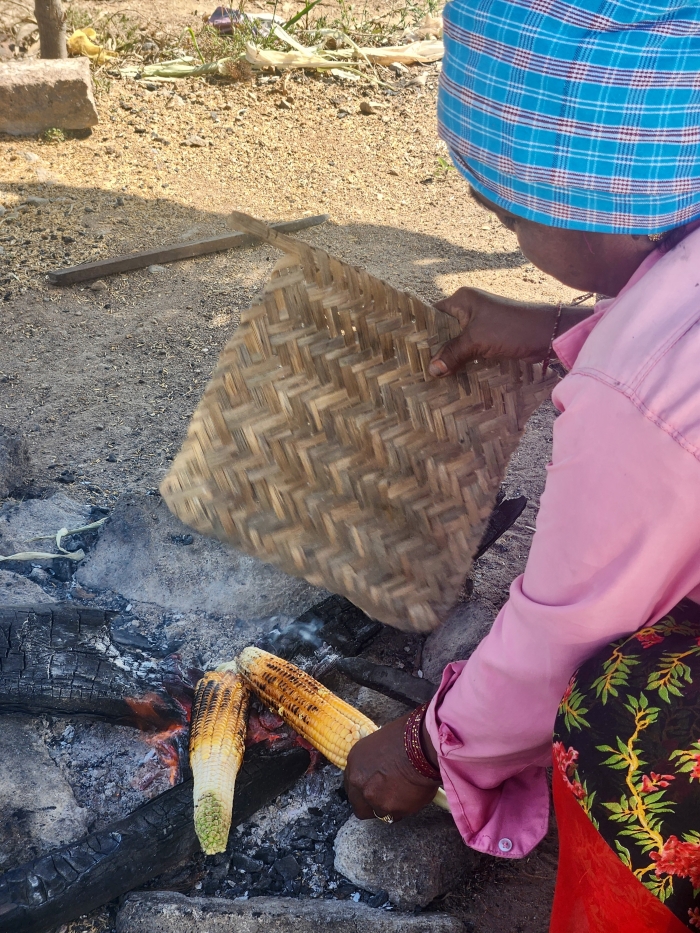
Along the roadside, we enjoyed fresh guavas, grilled corn, and peanuts. Local farmers also had stalls selling fresh produce like leafy greens, papayas, tomatoes, and more—perfect for stocking up on healthy, farm-fresh items.



 Love, Life, & Beyond
Leave a comment