
Growing up, I had a dull view of non-fiction books, largely because of being handed varieties of “7 Habits” style reads. But over time, I expanded my reading list and discovered a whole world of non-fiction that’s as compelling as any novel. I’ve come across remarkable stories of lives lived, deep dives into nature, and ground-breaking research, all of which have changed how I see the genre.
This year’s non-fiction recommendations include books that uncover fascinating histories, introduce readers to vibrant cultures, and explore lives lived through difficult times. Among them are two standouts—Goat Days and The Last Queen—both memoirs yet written in the narrative style of fiction. If you’re looking to enrich your reading list with books that both inform and inspire, these titles are perfect additions for the coming year.
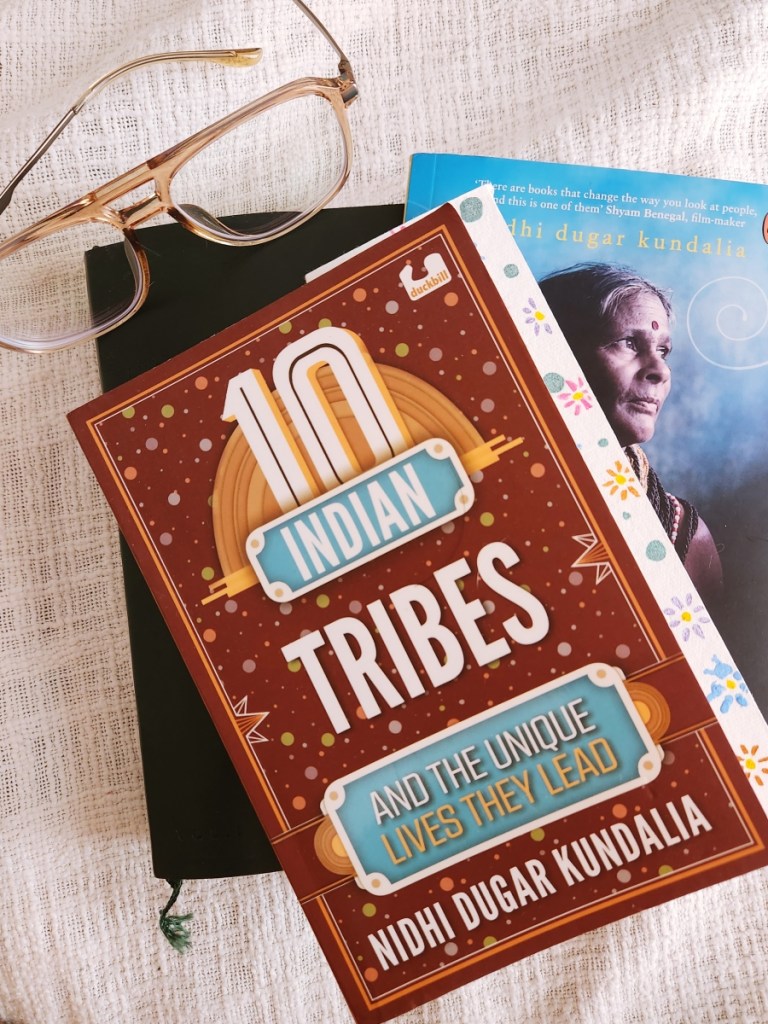
White as Milk and Rice & 10 Indian Tribes and the Unique Lives They Lead by Nidhi Dugar Kundalia

I wasn’t sure what to expect from these books, but I was pleasantly surprised by their unique approach. White as Milk and Rice takes readers into the lives of six different tribes across India, blending researched documentation with engaging storytelling to create a vivid “day-in-the-life” experience. There’s a slight dramatisation, but the balance between facts and narrative makes for an enriching read. Some of the details are eye-opening, revealing traditional practices and cultural insights that challenge stereotypes and, in many cases, seem far more progressive than mainstream society.
The book also touches on the urgent challenges these tribes face, from displacement in the name of development to exploitation by those in power. Kundalia captures the beauty and resilience of these communities, making the book not only an exploration but also a tribute to ways of life that are increasingly under threat.
The book, 10 Indian Tribes, serves as a companion to White as Milk and Rice, presenting the unique practices and values of ten different Indian tribes. It’s an accessible, quick read that preserves cultural nuances, giving readers a glimpse into traditions that may soon be lost. A fascinating and vital read for anyone interested in the rich tapestry of indigenous Indian culture.
For younger readers—although there is a reference to sex—these books offer a thoughtful introduction to the diversity of lives and customs we often don’t encounter.
Slow Noodles by Chantha Nguon

From an idyllic childhood as the cherished youngest daughter, to the struggles of life as a refugee, and ultimately to empowering herself and other women through financial independence—Chantha Nguon’s journey is inspiring. I listened to the audiobook, narrated by her daughter, which added an intimate, heartfelt layer to the story, and created an instant connection.
The structure of the book is also unique, weaving together stories and recipes Nguon learned from her mother and collected along her journey. These recipes serve as anchors, bringing the flavours of home and tradition into the narrative while highlighting the resilience and strength it took to overcome her challenges.
Reading this was a powerful reminder of the often-overlooked stories of East Asia, which are seldom the focus of mainstream history. Slow Noodles is a beautifully told story, full of courage and perseverance, shedding light on lives and struggles we don’t often hear about, but which deserve to be remembered.
A Remarkable Rotuman Woman by Jacinta Tonga
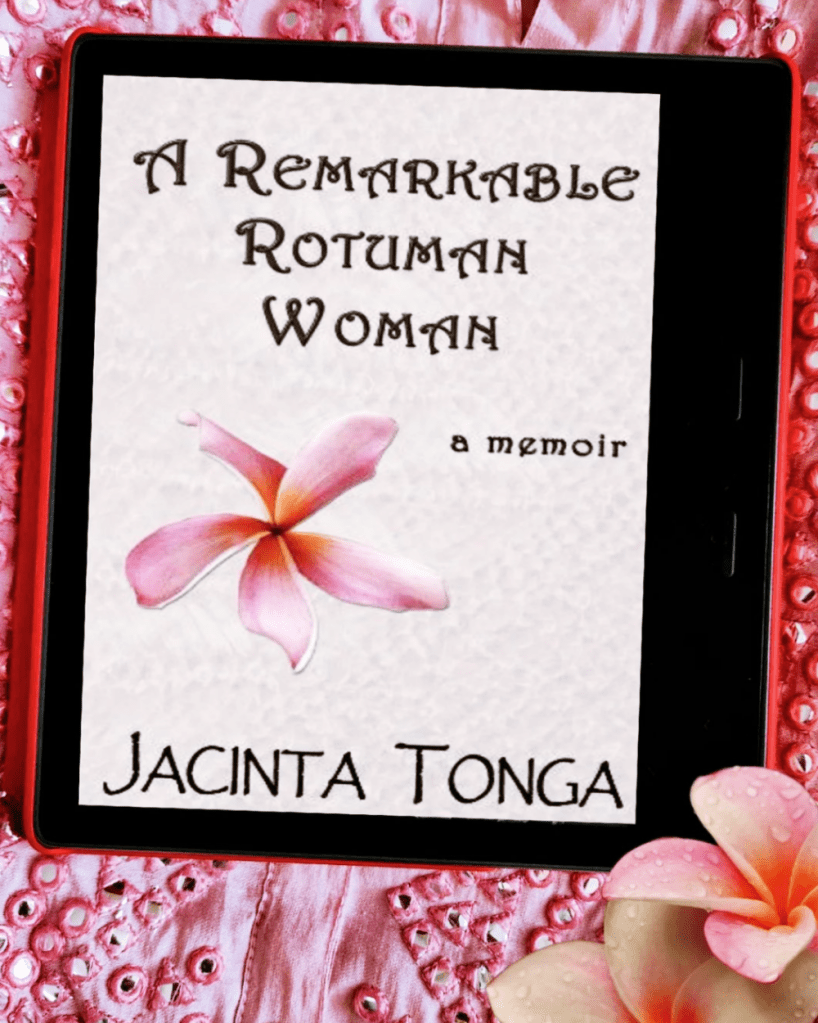
In this short yet insightful essay, Jacinta Tonga paints a vivid portrait of her grandmother’s life, offering readers a glimpse into the unique island culture of Rotuma—a place I hadn’t encountered before, which alone made this book a fascinating discovery. A Remarkable Rotuman Woman serves as both a tribute to her grandmother and an invitation to appreciate the beauty and diversity of lives lived in different times and places.
Through the stories of three generations—her grandmother, her mother, and herself—Tonga takes us on a journey through the changing lives and customs of this small Pacific Island from the early 1900s to the 2000s.
Some of the parenting practices and social customs described may feel outdated or incompatible with modern sensibilities. However, the author also highlights progressive aspects of Rotuman society, demonstrating how culture can hold both traditional and forward-thinking values. Social norms vary widely around the world, and Tonga invites us to view these differences through a lens of understanding rather than judgement.
Goat Days by Benyamin

Goat Days is a powerful, heartbreaking story that reads like fiction but is, in fact, a grim reality. This novel sheds light on the often-overlooked issue of human rights abuses and modern-day slavery in the Middle East, particularly affecting migrant workers from countries like India and Africa. Drawn by the promise of high wages abroad, young men from economically struggling areas in India risk everything for the hope of a better future. However, many arrive to find themselves trapped in brutal conditions, having paid large sums to middlemen for passports and visas only to be sold into slavery.
This is the plight of Najeeb, our protagonist, who is forced to work as a shepherd in the unforgiving desert, enduring searing heat, scarcity of food and water, and relentless isolation. His narrative conveys the depths of fear, desperation, and eventual resignation he feels as he toils day after day. Yet, when a new captive arrives at a neighbouring sheep farm, a glimmer of hope emerges, sparking a quiet resilience within him.
Amma by Perumal Murugan

In Amma, Perumal Murugan reflects on his relationship with his mother through a series of heartfelt essays. Growing up in a farming family in a small town, Murugan captures the essence of his mother—a hard-working, fiercely resilient woman whose stubborn determination shaped his life and worldview. Through his memories, we also gain insight into why goats, a symbol of rural life, appear so frequently in his novels.
One poignant line that stayed with me recounts Murugan’s attempts to persuade his aging mother to slow down. A friend advises him that life is movement—if you stop moving, you die. He reluctantly accepts this, though he still pleads with her to avoid overworking herself.
Filled with nostalgia, Amma is a warm tribute to the parental figures many Millennials will recognise: the refusal to rest, the tendency to dismiss medical care, and the belief that no one else can do things the right way as they can.
The Last Queen by Chitra Banerjee Divakaruni

I’ve always been drawn to stories of historical figures who have faded from popular memory, and Rani Jindan Kaur is one such figure. Unlike Rani Laxmibai, who is celebrated for her battlefield heroics, Jindan Kaur wielded her power behind the scenes, skillfully navigating political intrigues and the “game of thrones” that unfolded as British influence crept into regional affairs. Her story, largely forgotten by history, is brought to life brilliantly in The Last Queen.
The book traces Jindan’s journey from a modest upbringing to her rise as the last queen of Punjab, when she catches the eye of Maharaja Ranjit Singh. Through Divakaruni’s compelling storytelling, we see Jindan as a resilient and astute woman who quickly learns the complex dynamics of both the zenana (women’s quarters) and the royal court. After the kingdom falls and she is exiled, her struggle becomes all the more poignant, especially as she watches her son stripped of his heritage and molded under British influence.
Divakaruni’s narrative is captivating—I was completely absorbed and finished the book in just two days.
The Lost Soul by Olga Tokarczuk, illustrated by Joanna Concejo, & translated by Antonia Lloyd-Jones
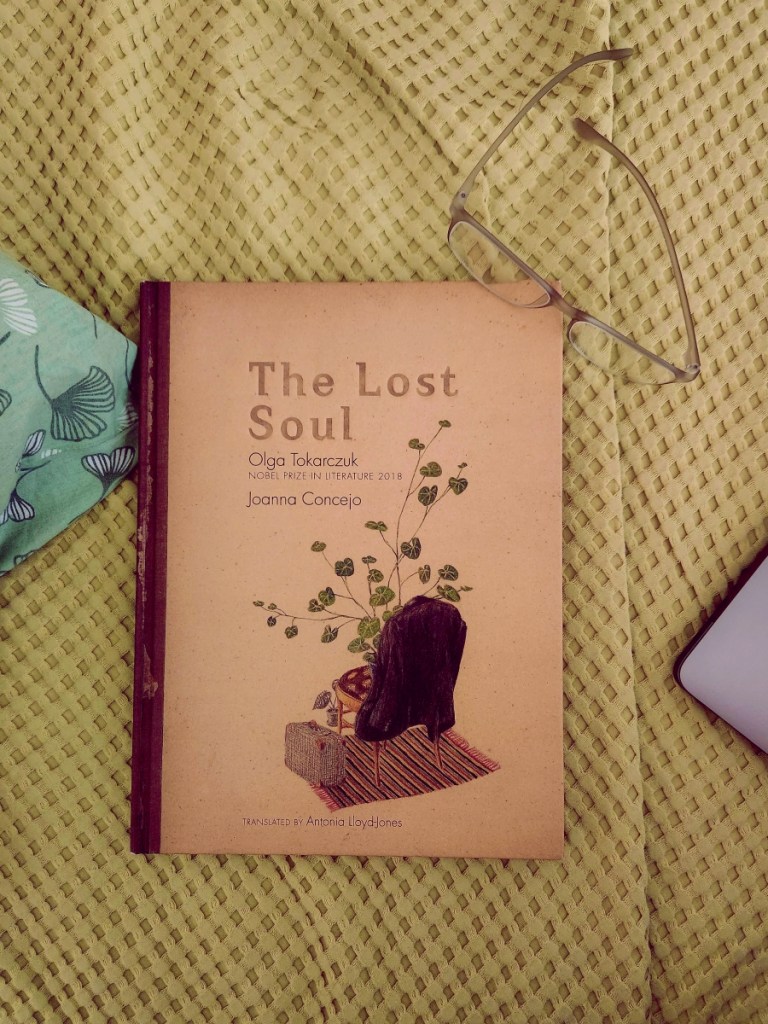
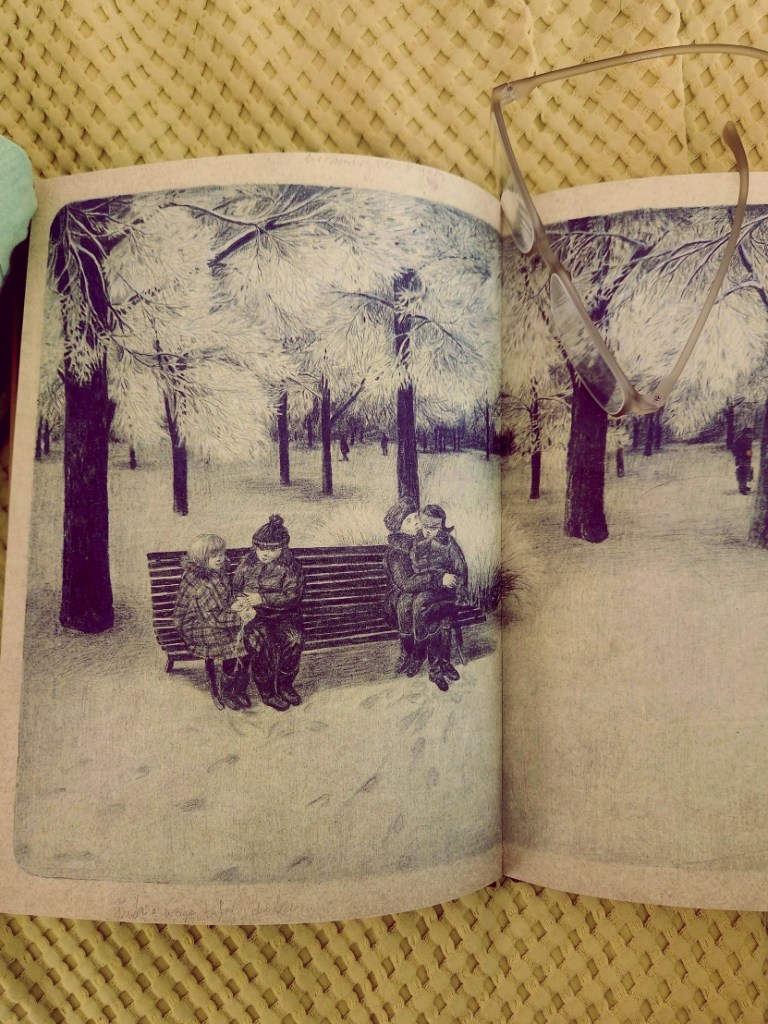
The Lost Soul is a beautifully crafted picture book for adults that deserves a place within easy reach—a book to revisit again and again. The story unfolds primarily through Joanna Concejo’s evocative illustrations, inviting readers to pause, reflect, and linger in its world of beauty, loneliness, and joy. The artwork alone tells a vivid story, with each detail thoughtfully chosen to evoke emotion and introspection.
The design choices in this book are exquisite: the square grid on every page, the translucent layers, and the gradual transition from monochrome to color all work harmoniously to deepen the narrative. These elements gently remind us to slow down and savor the small moments in our day rather than rushing through life’s routines.
Pillow Thoughts by Courtney Peppernell
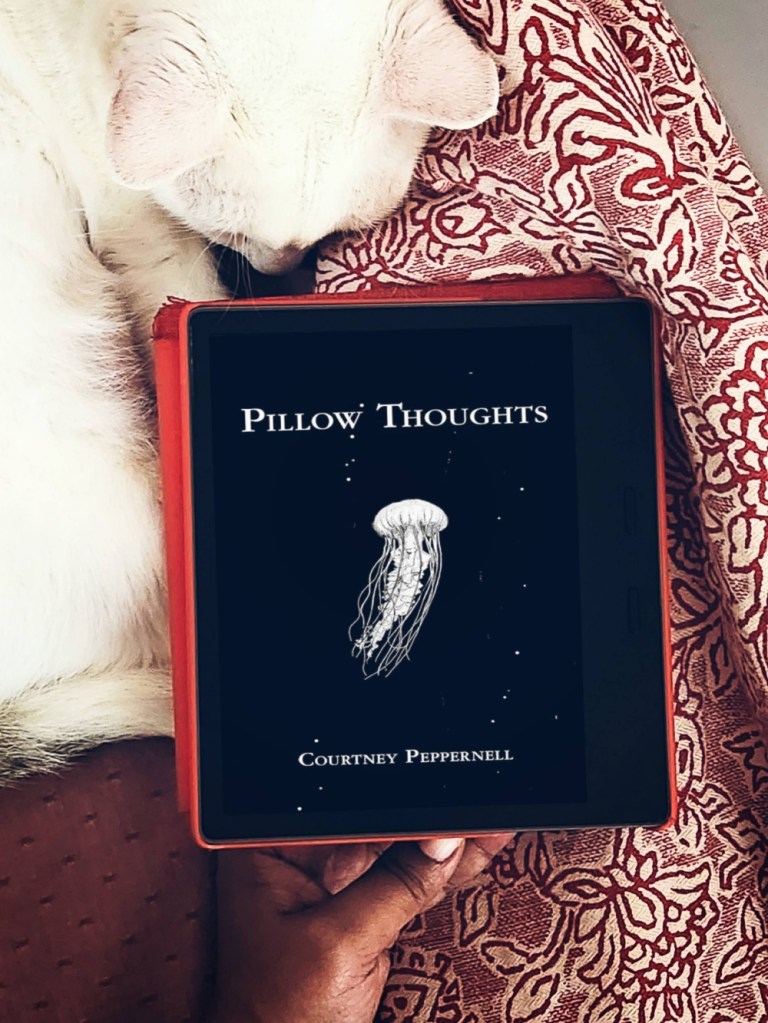
It felt exactly like what the title says…pillow thoughts. They are musings and words of comfort said to someone or themselves expressing joy, sadness, loneliness, and love. It’s a good collection to read sometimes when you’re feeling low. The words seem like a dear friend is holding your hand and walking you through tough times. And don’t miss the adorable jellyfish illustrations!
“It’s so hard to know what to say To someone who feels so lost, So I’ll stand here for you In the wind and the rain And I’ll be the lighthouse you need. Take my hand and breathe again And I will guide you home.”
Reading Challenge 2024:
Wait for the rest of the reading list, to be updated soon
Note: Some links are part of an affiliate program, which means that if you click on a link and buy something, I might receive a percentage of the sale, at no extra cost to you.


 Love, Life, & Beyond
Leave a comment