
Each year, I look forward to reading books that take me into the imaginative worlds crafted by talented fantasy authors, and 2024 did not disappoint. I scour fantasy book recommendations on various lists, but sometimes come across a book by pure coincidence that leaves me spellbound. There’s something truly magical about getting lost in creative fantasy realms, where anything is possible and reality blurs into the fantastical.
This year, I encountered mesmerising landscapes, unforgettable characters, whimsical lands, and plot twists that kept me turning pages (or listening to audiobooks) late into the night. From epic fantasy quests to intimate tales of magic, mystery, and mythical creatures, each book offered something fresh and enchanting. Here’s a look at all the fantasy books I read in 2024, and why some of these are worth adding to your reading list.
The Whale Rider by Witi Ihimaera

The Whale Rider by Witi Ihimaera is a masterfully woven tale that immerses readers in the vibrant culture and legends of a Maori community. The lyrical storytelling and rich imagery transports the reader to an island nation where tradition and myth hold deep-rooted significance.
The story revolves around Kahu, a young girl born into a family of Maori chiefs. Despite her grandfather being disappointed by her being a girl instead of a male successor, Kahu remains unwavering in her love for him and in her devotion to her heritage. Her journey is both heartwarming and heartrending, as she navigates the expectations placed on her by her family and her people.
The narrative is interwoven with ancestral tales and ancient Maori legends, creating a tapestry that celebrates resilience and the unbreakable bond between people and nature. As Kahu’s story unfolds, we explore the beauty, strength, and spirit of her community, leaving a lasting impression of hope, love, and the enduring power of belief.
The Poppy War Trilogy by Rebecca F. Kuang


The Poppy War Trilogy by R. F. Kuang begins as a familiar story—a young girl, Rin, striving to rise above her impoverished roots gets selected to join a school for elites. I expected a narrative focused on school rivalries and eventual triumphs, but this series quickly dives into something far darker and more complex. Rin’s journey becomes a harsh exploration of war, power, and survival, with shifting allegiances, hidden histories, and unleashed powers transforming her from a determined student to a fierce soldier and leader.
The three books in the series are, The Poppy War, The Dragon Republic, and The Burning God.
The middle book does suffer a bit from the trilogy slump, where the pacing slows in the first half. But once the momentum builds, it’s impossible to put down, and the character development that emerges feels significant and, at times, surprising. Rin wrestles with intense moral and ethical dilemmas, often counterbalanced by her friend Kitay, who becomes a grounding voice of conscience in her increasingly tumultuous world. The host of characters in the series are well-formed and interesting with many layers to them.
One thing that stands out is Kuang’s exploration of East versus West through the lens of culture, technology, and religion. The characters, steeped in a belief in Nikan superiority, find themselves admiring Hesperian advancements, which brings an intriguing conflict to the story. I also appreciated that Kuang resisted weaving romance into Rin’s story—something so often found in books with female leads—allowing space for the complexities of power, loyalty, and sacrifice to take centre stage.
While I would have preferred a more detailed ending over extensive descriptions of battle marches, the trilogy concludes in a way that feels satisfying and true to its characters. This is a series that subverts expectations, takes unexpected turns, and doesn’t shy away from moral grey areas. At many points in the book, I felt I knew where the story was heading. At no point did it go where I thought it would!
Nation by Terry Pratchett

Nation by Terry Pratchett showcases his unparalleled skill in taking a simple idea and moulding it into some profound reflections. I’ve only known him for the laugh-out-loud humour of Discworld, so I was initially surprised by this book’s more subdued, often darker tone. His thoughtful exploration of complex themes like faith, grief, and resilience was a pleasure to read.
The story begins with Mau, a young boy on the brink of adulthood, whose world is shattered when a massive wave devastates his island, leaving him as the sole survivor of his nation. The same wave also strands Daphne, a young woman from London, along with her ship. Together, they face the daunting task of survival, rebuilding, and finding meaning amidst tragedy.
Pratchett’s sensitive approach to loss and belief is impactful, allowing both Mau and Daphne’s journeys to feel deeply personal and universal at once. Their character growth is depicted with such depth and subtlety that you can’t help but become invested in their struggles and triumphs. Nation is a quieter, more introspective work from Pratchett, but it’s powerful, beautifully written, and leaves a lasting impression.
The Liberation of Sita by Volga

The Liberation of Sita by Volga offers a fresh, feminist retelling of the epic Ramayana, told through Sita’s perspective. This short collection of essays reimagines Sita’s journey as she encounters lesser-known female characters from the epic—Surpanakha, Renuka, Ahalya, and Urmila—who share their stories of struggle and resilience. Through these encounters, Sita gains new insights into womanhood, independence, and the constraints of a patriarchal society.
Each chapter reflects Sita’s evolving understanding of her role as a woman, wife, and mother, offering readers an empowering perspective on her legendary story. The final chapter is narrated from Rama’s perspective, where he reveals the heavy responsibilities he bears as both King and protector of Dharma, giving a nuanced look at his struggles beyond just being Sita’s husband.
While this book offers some compelling ideas for those interested in mythological retellings, if you are looking for a deeper exploration then The Forest of Enchantments by Chitra Banerjee Divakaruni is a more engaging alternative. Nevertheless, this book is an insightful read for anyone interested in women-centred perspectives within Indian mythology.
Zodiac Academy by Caroline Peckham & Susanne Valenti

Zodiac Academy begins with an intriguing premise: twin sisters Darcy and Tory, hardened by a tough life on Earth, are suddenly thrust into the magical Fae World school, where they learn they are the lost heirs to a murdered king and queen. At Zodiac Academy, they are meant to hone their magical abilities, but they quickly face hostility from the four current male heirs to the throne—resentment that often manifests disturbingly as sexual harassment.
While the story has significant potential with its fantasy world and unique power struggles, it’s overshadowed by the frustrating trope of romanticising abusive behavior. The narrative leans heavily on the idea that “bad boys” who cross boundaries and harass can eventually make desirable partners. Despite the presence of a genuine “good guy” character, the twins remain drawn to those who mistreat them.
Unfortunately, the world-building, which could have grounded the story, also feels rushed. Readers are left scrambling to piece together the Fae World alongside the twins, with little time to immerse themselves in its rules or culture. Yet, there’s an uncomfortable amount of time spent on the twins’ misplaced attraction to their abusers, overshadowing the opportunity for meaningful character and world development.
Legacy of Orisha Trilogy by Tomi Adeyemi
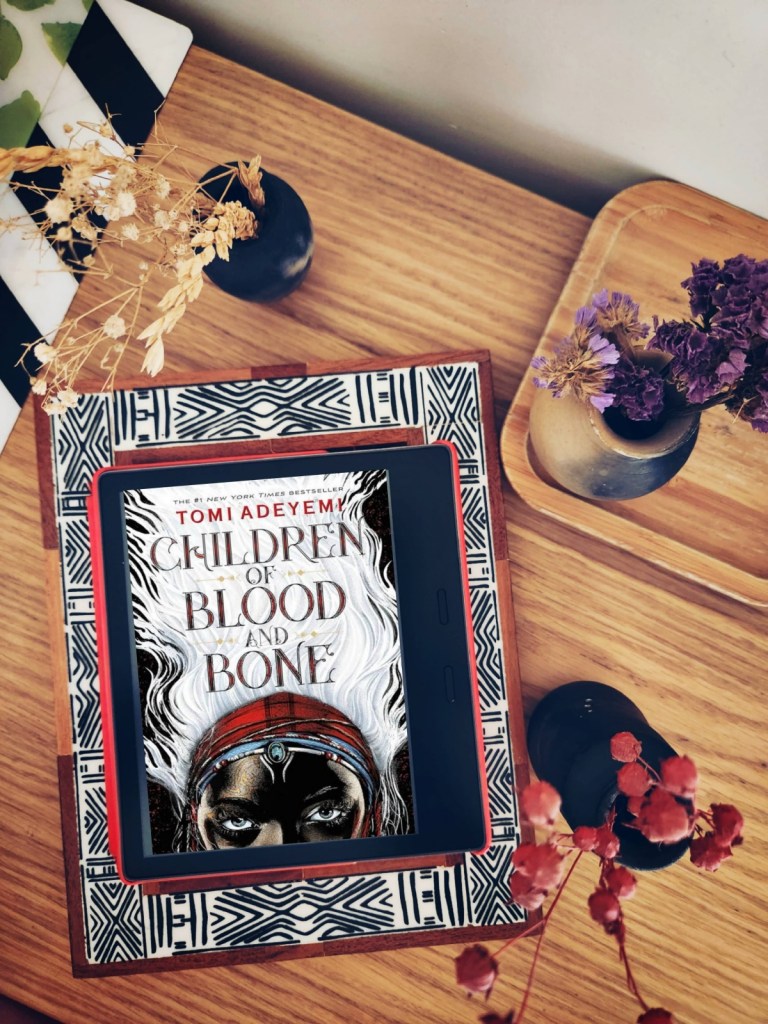

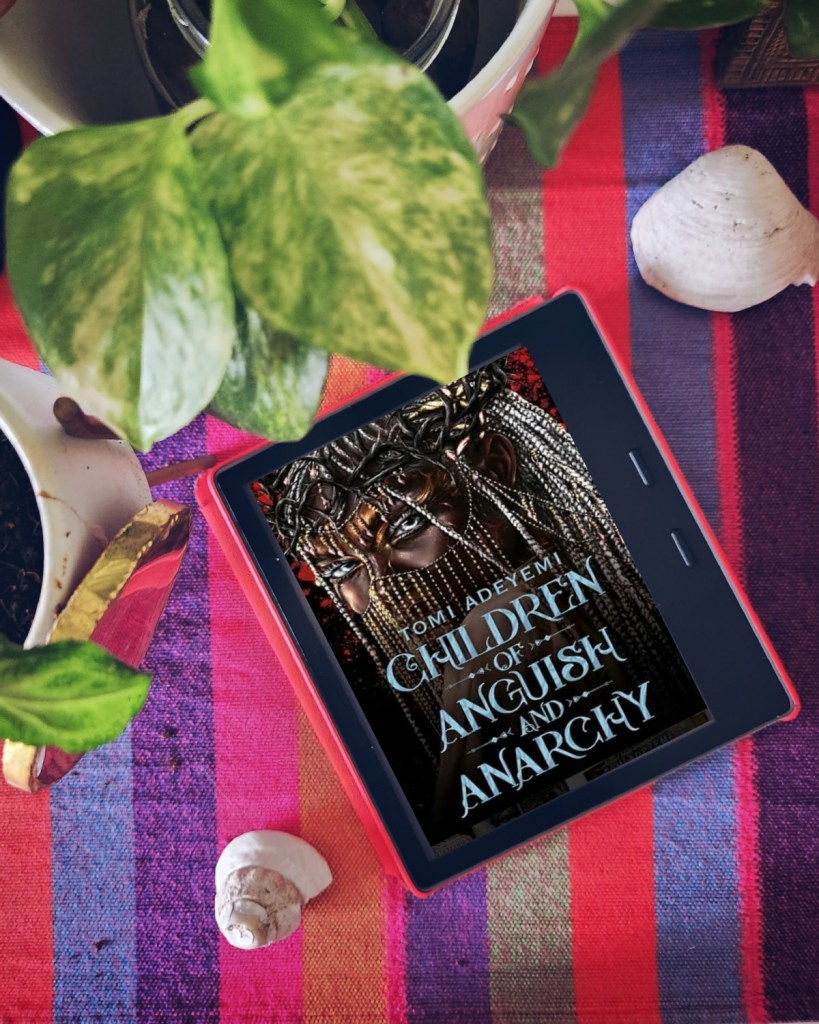
After waiting for years for the final book in this much-anticipated trilogy, I’m happy to say that the Legacy of Orïsha series truly lives up to the hype. From the first chapters itself, I was completely hooked, and the series continued to deliver with every book. The character development, especially for central figures like Zélie, is superbly crafted, showing genuine growth and change over the course of the trilogy.
The three books in the series are: Children of Blood and Bone, Children of Virtue and Vengeance, and Children of Anguish and Anarchy.
Set in a world where magic has been destroyed, anyone marked as a potential Maji (with a distinctive white streak of hair) faces relentless persecution. Zélie, our fierce protagonist, has witnessed firsthand the brutality of this oppression after her mother was murdered for her powers. When a chance encounter with a runaway at the market leads her and her brother into a fateful journey, she finds herself on a mission to restore magic to Orïsha.
One of the trilogy’s greatest strengths is its complex character development. Zélie, along with the royal siblings, Inan and Amari, wrestle with difficult choices as they strive to break the cycles of oppression created by their parents. Adeyemi masterfully captures their growth across each book, making them feel authentic and relatable.
The plot is filled with obstacles, keeping the tension high as new challenges emerge just as one is resolved. Read my full book review: Book review of Orisha Trilogy
A Thousand Ships by Natalie Haynes

In A Thousand Ships, Natalie Haynes brings the epic tale of the Trojan War to life from the perspectives of the women who endured its horrors and heartbreak. This novel centres the voices of mothers, wives, and daughters—those often sidelined by history—whose lives were shattered by the loss of their loved ones and were left at the mercy of the victors. Through each woman’s story, we gain insight into the personal cost of war and the resilience it demands.
Haynes also weaves in the divine intrigues that set the conflict in motion, adding layers of complexity to a familiar story. While some background knowledge of the Trojan War will help you have a deeper understanding, the book makes the tale accessible and enjoyable for all readers.
A Day of Fallen Night by Samantha Shannon
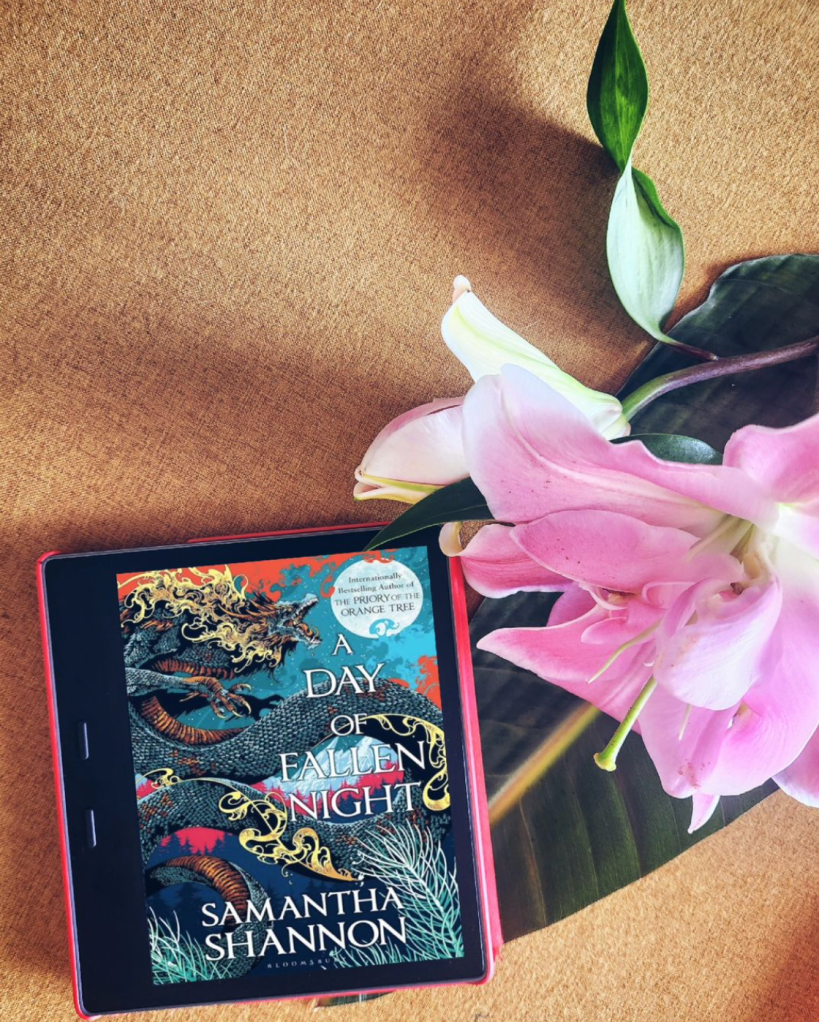
I had been putting off reading this enormous tome of a book for when I had a long stretch of time to dive into this world. Once I began, A Day of Fallen Night proved to be an immersive and captivating journey into a world of dragons, magic, and resilient women. Although it’s been a while since I read The Priory of the Orange Tree (which takes place after this book), I was glad that each story stands alone and I could read this without needing a refresher.
The novel opens in a world at peace, but that calm is soon disrupted. Wyrms lay waste to cities, a deadly red fever sweeps through the land, and political power struggles ignite in each queendom. At the heart of these regions, three women—each remarkable in her own way—fight to prevent their worlds from falling apart.
Tunuva, a fierce warrior from the Priory, ventures beyond her familiar world to search for her stolen son, placing her trust in unlikely allies with profound consequences. Meanwhile, in other corners of this intricate world, young Glorian and Dumai find themselves drawn into the power struggles of their respective kingdoms. With the support of their unofficial consorts, Wolf and Nikea, these young women evolve into formidable leaders, standing against chaos and reclaiming their destinies.
The world-building is masterful, with vivid landscapes, intricate politics, and a depth of lore that pulls you deeper into the story with each page. Relationships and character arcs are handled beautifully, with each character’s journey feeling authentic and compelling. In the audiobook version, an interview with Samantha Shannon offers fascinating insights into her inspirations, including her choice to incorporate pandemic-like themes that reflect recent real-world events.
This epic Audible was a perfect companion on my evening walks for over a month.
Frankenstein by Mary Wollstonecraft Shelley

I’ve always believed this to be a classic horror story but, Frankenstein is, at its core, a profound exploration of human emotion and ethical dilemmas. What struck me most wasn’t the monster itself, but the underlying horror of humanity’s relentless pursuit of new technology without fully considering the consequences—a theme that resonates deeply today, particularly in our discussions around AI. Just because we *can* create something, doesn’t mean we *should*—at least not without careful thought about its potential impact.
In Shelley’s tale, the creature suffers a life of loneliness, rejection, and torment simply because of how he appears. Deprived of emotional connection and forced into isolation, his pain turns into anger and eventually into rage, transforming him into the “monster” society believes him to be. Meanwhile, Victor Frankenstein, the creature’s creator, shirks any responsibility for the suffering he has unleashed, blaming his creation rather than his own reckless ambition.
It’s surprising to me how some books written over 100 years ago still speaks to issues we grapple with today.
Fia and the Last Snow Deer by Eilish Fisher


My son received this book as a gift, but its captivating cover and mysterious aura drew me in. The prose has a lyrical quality that flows beautifully, making it a pleasure to read aloud or enjoy quietly.
The story follows Fia, who lives in a bleak, unending winter where food and warmth are scarce. Entrusted with the care of Solas, the last of the Snow Deer, Fia becomes determined to bring back the sun’s warmth and abundance to her people. She sets out on a journey to find the Deer Mother, joined by her cousin Mish and a wolf companion. Together, they embark on an adventure that teaches them about kindness, bravery, hope, and sacrifice.
The tale resonates with readers of all ages, though younger children may need guidance to fully grasp the story’s themes. Thoughtful questions can help them explore these deeper ideas in new ways. Adding to its magic, the illustrations are stunning, bringing Fia’s winter world to life on each page.
The Metamorphosis by Franz Kafka

Kafka’s The Metamorphosis is a richly layered novella filled with references and symbolism that make it far more complex than it initially seems. The story begins with Gregor Samsa waking up to find himself inexplicably transformed into a giant beetle. As his family grapples with this grotesque reality, the narrative delves into themes of feeling alienated, identity, and the conditional nature of human relationships.
For me, the story is about how Gregor was valued by his family primarily for his financial contributions. The story also offers a critique of capitalism. His transformation acts as a metaphor for losing societal and familial utility, leading to his eventual ostracism. His mother remains somewhat loving until the end. In stark contrast, his father is emotionally detached, viewing Gregor as nothing more than a burden. Gregor’s sister, who initially takes on the role of his caregiver despite her revulsion, grows weary over time, ultimately abandoning her brother as her sense of duty fades. These dynamics illustrate how relationships evolve or disintegrate when a person’s role within a family or society changes.
Reading Challenge 2024:
Wait for the rest of the reading list coming up soon:
Note: Some links are part of an affiliate program, which means that if you click on a link and buy something, I might receive a percentage of the sale, at no extra cost to you.



 Love, Life, & Beyond
Leave a comment