
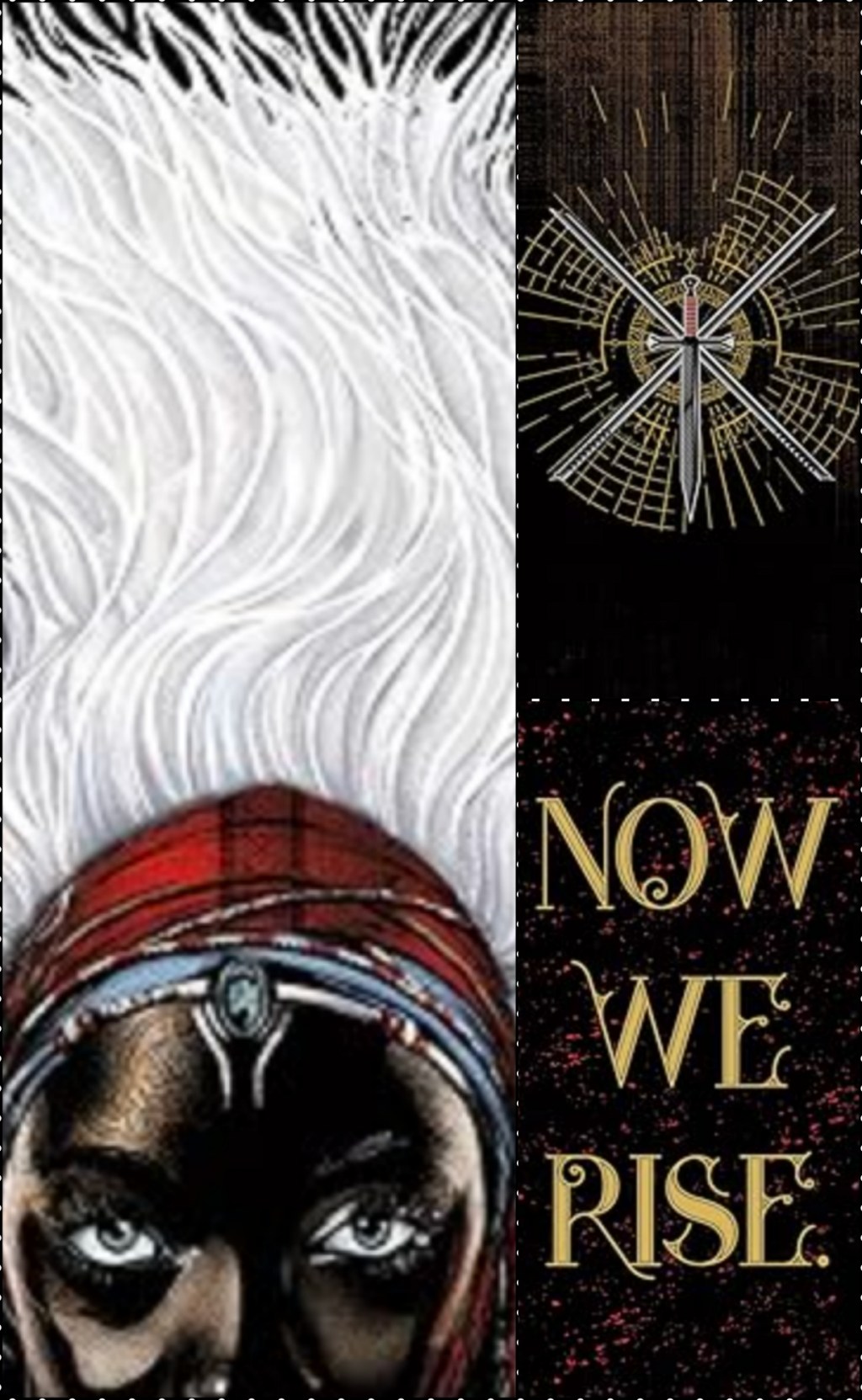
We can always do something to fight back.
We have the power to change the evils in the world.
We’ve been knocked down for far too long.
Now let’s rise.
Magic, beauty, love, and learning—all in one cauldron of a series. I had been waiting for the final book in the trilogy to be released before I started reading this much-hyped series. For once, I’m glad to say it lived up to the hype. Tomi Adeyemi’s Legacy of Orïsha Trilogy is a trip into a breathtakingly beautiful and richly imagined world, which seamlessly blends West African mythology, gripping storytelling, and social commentary. Once I started, I couldn’t put it down till I was through all three books.
The series comprises three books, namely Children of Blood and Bone, Children of Virtue and Vengeance, and Children of Anguish and Anarchy. The books take you on an epic journey through the fictional land of Orïsha, where magic, power, and identity collide. The imagery is so vivid that I could picture the described world as I read. I look forward to the movie adaptation and hope they do justice to the world as imagined by the author.
The Author: Tomi Adeyemi
Tomi Adeyemi is a Nigerian-American writer and creative writing coach. Born in the United States to Nigerian parents, Adeyemi grew up with a deep appreciation for her cultural heritage, which profoundly influenced her work.
She graduated from Harvard University with a degree in English Literature, where she focused on West African mythology and culture. Her books became a New York Times bestseller and received numerous awards, including the Andre Norton Award for Young Adult Science Fiction and Fantasy.
Book Review: Legacy of Orïsha Trilogy by Tomi Adeyemi
You crushed us to build your monarchy on the backs of our blood and bone. Your mistake wasn’t keeping us alive. It was thinking we’d never fight back.
Tomi Adeyemi’s Legacy of Orïsha Trilogy is a captivating and richly imagined series that should be on the reading list of all fantasy buffs. The story begins with magic having been eradicated from the land of Orïsha, and anyone bearing the identifying mark of a potential Maji—a white streak of hair—faces persecution.
Zélie Adebola is one such girl who has witnessed the brutal murder of her mother due to her magical abilities. Now, she lives under constant fear of losing her father and brother, Tzain. Her journey to restore magic begins when a chance encounter at the market with a rogue princess, Amari, sets her on a path of destiny.
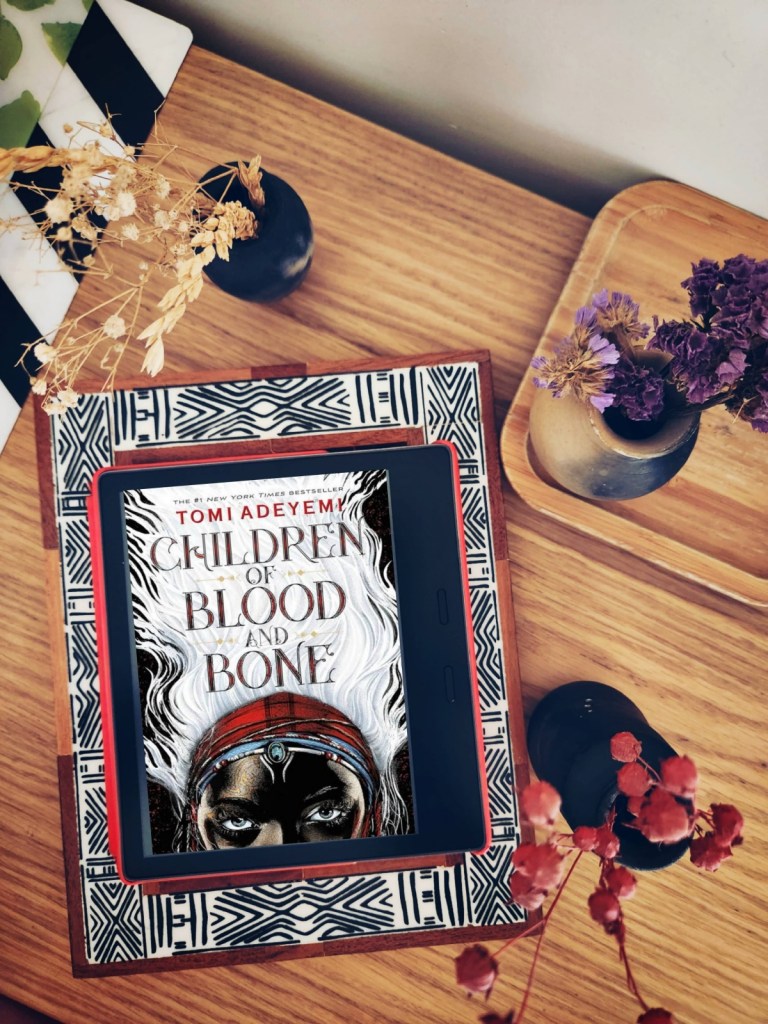
Inan, the prince, has been entrusted by the King with the responsibility of getting Amari back and killing the people aiding her escape. However, Inan soon realises his chosen path, which his father insists upon, will only breed more hate among the people. The more he gets to know Zélie, the more he wants to make things right for his country.
The royal siblings, Amari and Inan, are determined to bring peace to their kingdom, striving to be better rulers than their parents, both in their own way. The character development of the central figures is well developed and we can see the progress they make through each book.
This constant barrage of obstacles faced by Zélie keeps the tension high and the story engaging. Every time there seems to be some kind of progress for peace, the world crumbles around her again. Whether it’s her being betrayed, tortured, or losing people she loves, she doesn’t seem to catch a break.
One thing I really liked about the books is its integration of gender equality. Men and women occupy all spheres of society without any gender-based roles, making for a progressive and inclusive narrative. There are men and women in higher ranks of the military and the rebel groups. Even before Zélie becomes a Maji, no one tells her what good girls are expected to do; she is encouraged to learn to fight to protect herself and others like her.
Inan’s character is particularly well-crafted. His internal conflict and evolving sense of morality add depth to the story. His confusion and attempts to do the right thing, despite frequent missteps, are portrayed convincingly. I really felt for him as he fumbled his way, trying to get his father’s approval while fighting for his heart’s desire and peace for his country. The transition of emotions of the three main characters from fear to love to anger to forgiveness is handled well, providing a satisfying emotional arc for the characters.
Courage does not always roar. Valor does not always shine.
However, the series is not without its flaws. The resolution of conflicts often relies on conveniently timed increases in magical powers, which, while typical of the fantasy genre, can sometimes feel like a cop-out. Tzain’s character could have been more developed from the beginning as more than a protector of his sister. Amari’s character, despite a strong buildup, is somewhat disappointing as she is mostly sidelined after a major lapse in judgement during a battle.
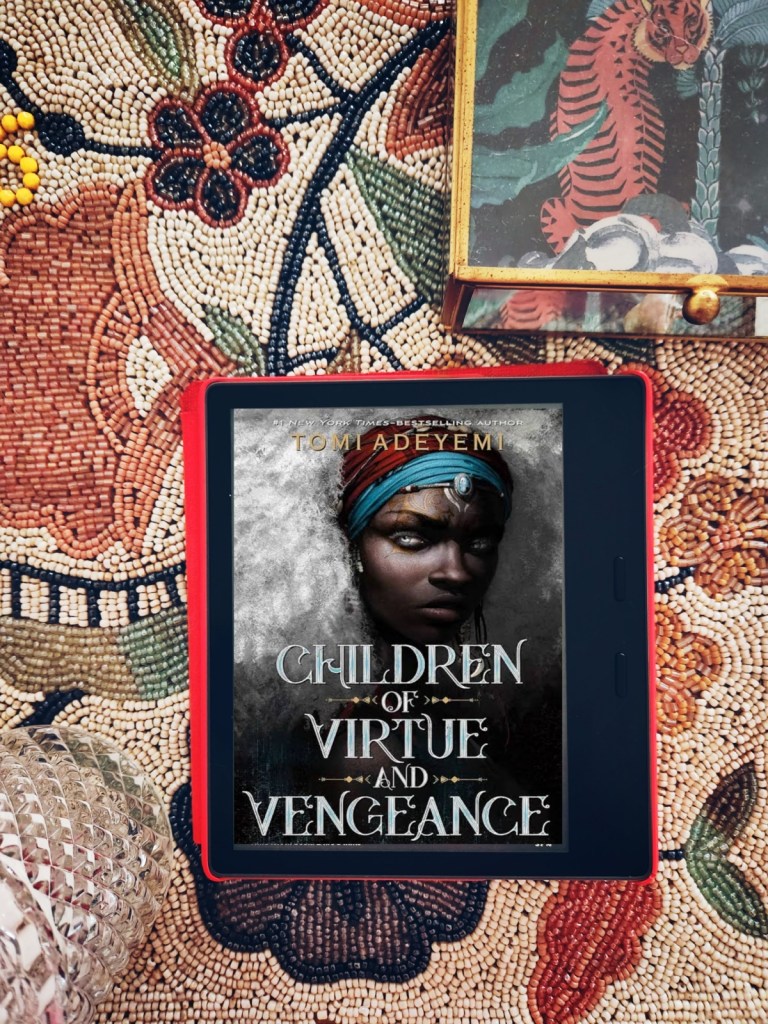
The second book in the series, Children of Virtue and Vengeance, feels more focused on testing Amari’s fitness for the role of queen and dwells more on the anger felt by both sides. The third book, Children of Anguish and Anarchy, introduces a common enemy as the only means for the warring sides to unite, which feels a bit contrived. Tzain’s character finally develops a little more but is unable to break free of the protector mould.
The end of the book doesn’t dwell much on what happens after the war and who finally gets to sit on the throne. There are hints peppered throughout the last part of the book on what is expected to happen without giving a defined end to the storyline. Despite these minor issues, the trilogy delivers a powerful and immersive experience.
Themes in the Legacy of Orïsha Trilogy
Like any good YA book, there are parallels to the current world crisis (like the Hunger Games series by Suzanne Collins). Many of the ideas about war and peace, oppressor and oppressed, or anger and forgiveness are timeless and can be applied to happenings around the world at any given time. Here are some that stood out for me:
World-Building and Mythology
One of the most striking aspects of the trilogy is Adeyemi’s world-building. Inspired by West African culture and mythology, Orïsha is brought to life with vivid descriptions, intricate traditions, and a pantheon of gods and magical beings. I was immersed in the world created by the author, where magic is both a source of wonder and a cause of conflict. Incorporating the Yoruba language and spiritual elements adds authenticity and depth, enriching the narrative and grounding it in real cultural heritage. It almost reminded me of Wakanda as depicted in the Marvel series but with magic instead of the hi-tech.
You carry all of us in your heart. We shall live in every breath you take. Every incantation you speak. You are the children of the gods. You shall never be alone.
Characters and Themes of Identity
The trilogy’s characters are complex and compelling. The protagonist, Zélie’s journey from a young, disempowered girl to a powerful Maji warrior is both inspiring and heart-wrenching. Her struggle for identity and purpose resonates deeply, reflecting broader themes of self-discovery and empowerment. Inan is another character whose emotional confusion between his heart and duty is portrayed well. The trilogy also explores themes of familial bonds, loyalty, and the costs of vengeance, with each character grappling with their own internal and external conflicts.
You are not your mistakes. Do not let one moment define or destroy you.
Social Commentary
Adeyemi uses the fantasy genre to comment on real-world issues, such as systemic oppression, racial discrimination, and the abuse of power. The Maji, once revered for their magical abilities, are now persecuted and oppressed by a tyrannical regime, drawing parallels to historical and contemporary social injustices. She advocates for the rise of the resistance and the need for both sides to see beyond hate and revenge.
The author notes that she was inspired to write on these themes after hearing of the many African Americans murdered by cops in America without any repercussions.
The monarchy has magic now and they still hate us. It was never about magic at all!
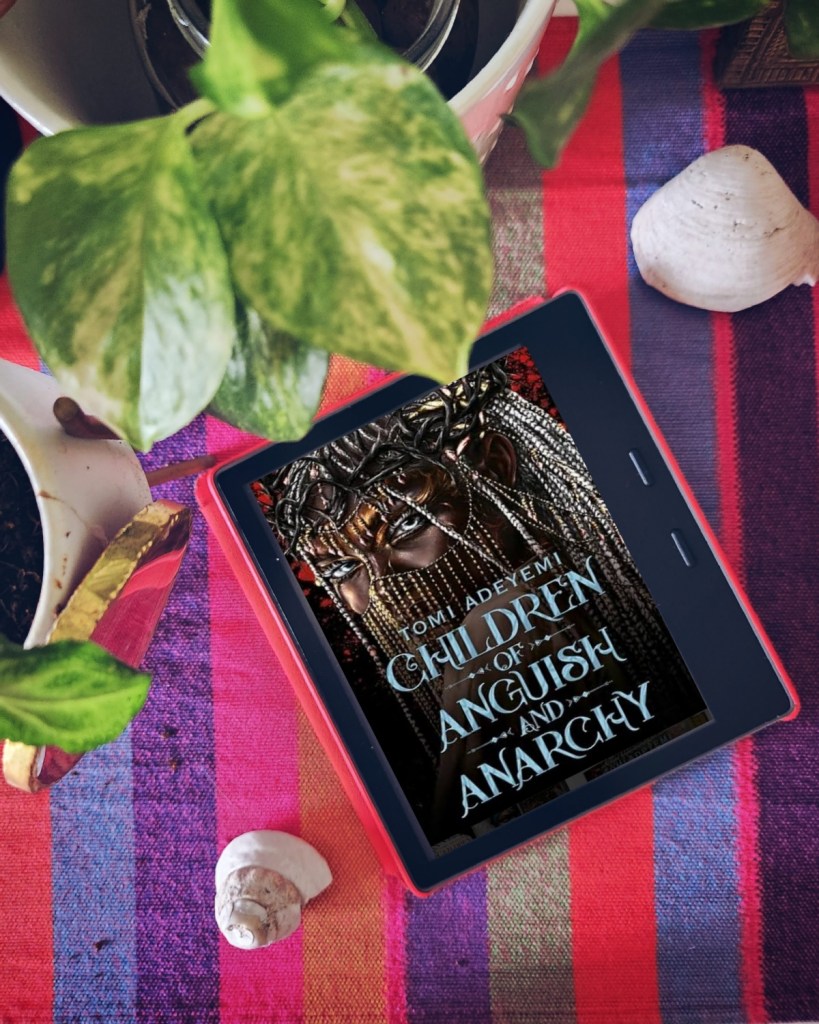
The trilogy is fast-paced and action-packed, with each book delivering intense battles, high-stakes conflicts, and surprising twists. Adeyemi’s writing is cinematic, with vividly choreographed fight scenes and emotional climaxes that kept me on the edge of my seat. The series transcends its genre to offer a powerful narrative about identity, justice, and the enduring spirit of resistance. Adeyemi’s storytelling is both a celebration of African culture and a rallying cry against oppression, making the trilogy a must-read for fans of fantasy and socially conscious literature alike.
Life is more complicated than right and wrong.
Verdict: Must Read
Note: Some links are part of an affiliate program, which means that if you click on a link and buy something, I might receive a percentage of the sale at no extra cost to you.



 Love, Life, & Beyond
Leave a comment