
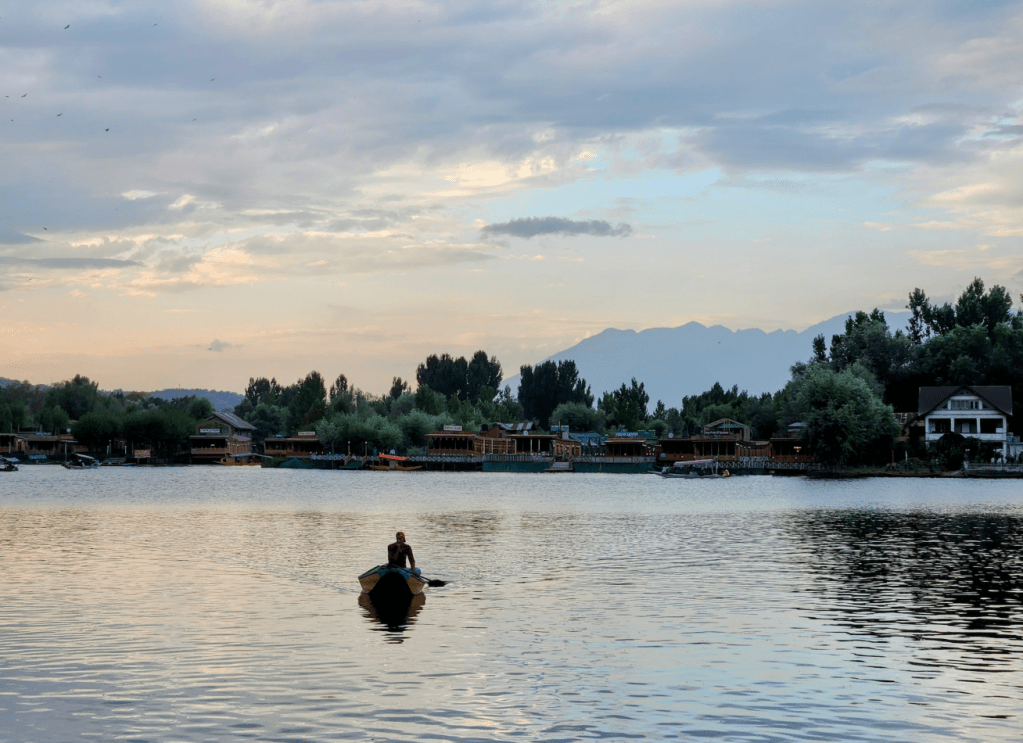
Kashmir is a land of ethereal beauty where nature has woven a masterpiece of lush valleys, pristine lakes, and towering snow-capped peaks. We have grown up hearing from everyone who has been there that it is ‘Paradise on Earth.’
This enchanting region has long captivated the hearts of travellers with its mesmerising landscapes and rich cultural tapestry. From the tranquil Dal Lake to the bustling bazaars of Srinagar, the region reveals a different aspect of itself each season.
This beauty had been on the wishlist for so long and had been overlooked mainly for logistical reasons. We finally decided to make a quick trip in the autumn when crowds are relatively thinner and the weather more temperate.
As soon as we landed at the airport with its gorgeous mountain views, we knew everything we had heard about it being heavenly seemed accurate. We kept our trip short, with enough time to relax and enjoy as well. Here’s a glimpse of our sojourn, and I hope it inspires you to visit soon, too.
Srinagar
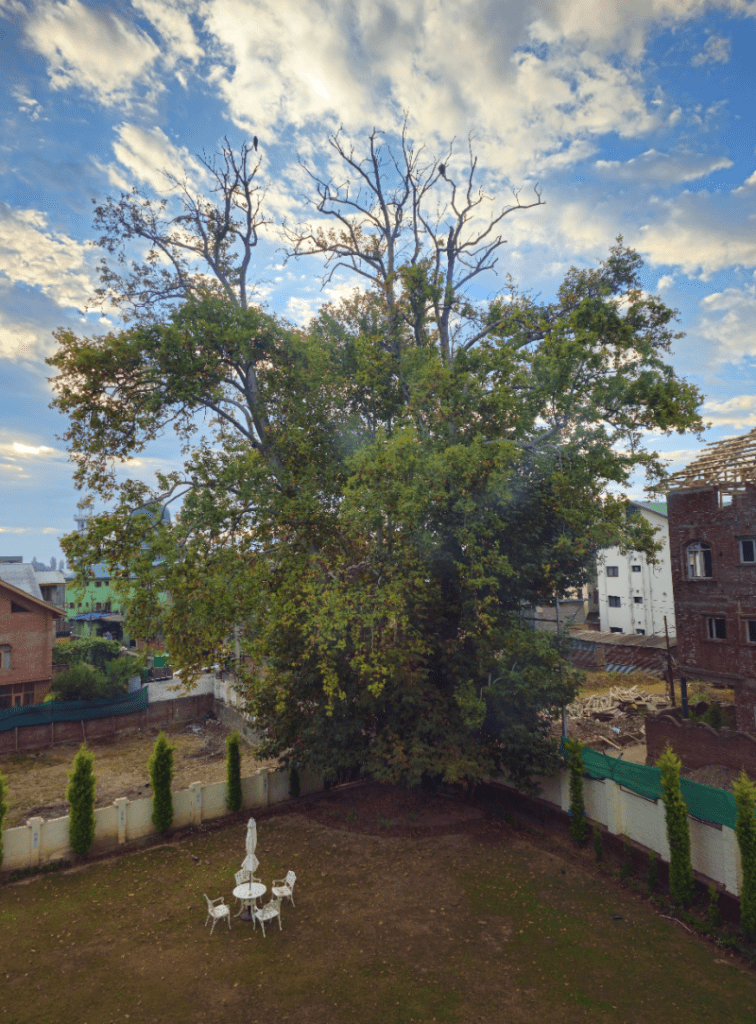
Srinagar has been dubbed as the Venice of the East for its unparalleled beauty and its network of serene waterways, historic gardens, and majestic mountains. The beautiful mountain views of the Zabarwan Range that greet you from every spot in the city never get old. Large Chinar trees that are illegal to chop down provide much-needed greenery and shade throughout the city. Collect a few leaves to preserve in a journal or book to remind you of your trip.
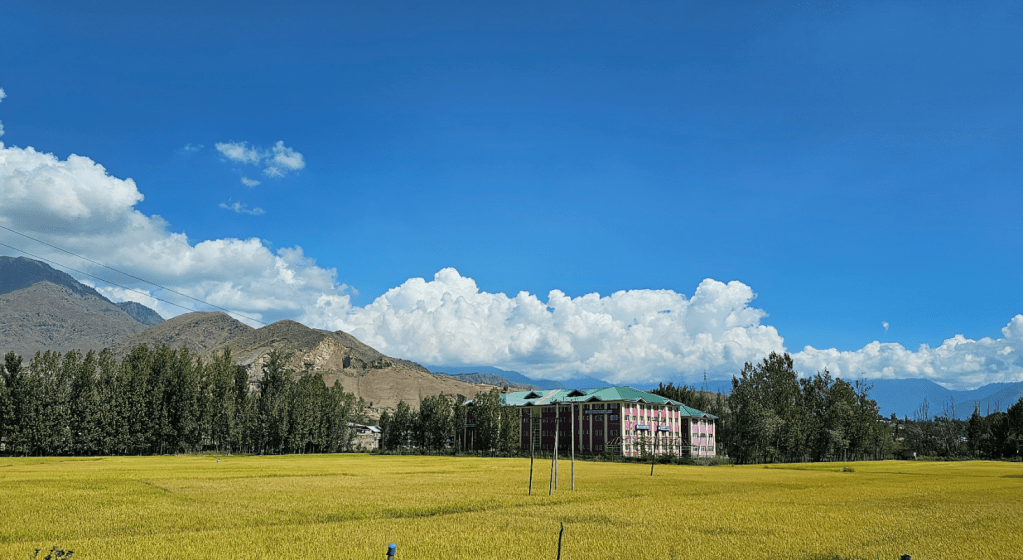
As soon as we landed, a feeling of calm came over me, looking at the scenic surroundings. There was no hustle-bustle outside the airport, and the car we had booked was already waiting. It was a smooth start to the trip.
Admittedly, most of the city is like any other big city with malls and traffic jams. The exception is the jarring presence of military tanks on every street, which the locals mostly ignore as part of the background. For me, it felt odd to be living under such scrutiny.
September, when we made our trip, was not the peak tourist season, so everywhere we went, we had some space to enjoy the view and relax instead of jostling with the crowds. We chose a handful of places to visit as we just had one day to go around Srinagar.
Shankeshwar Temple
We started our day from here. It’s recommended to go here early in the morning, around 9 or 10 am. We had started a little late in the day, because of which we couldn’t get parking near the steps and had to walk a little more. Moreover, the sun was already up, making it warmer for us.
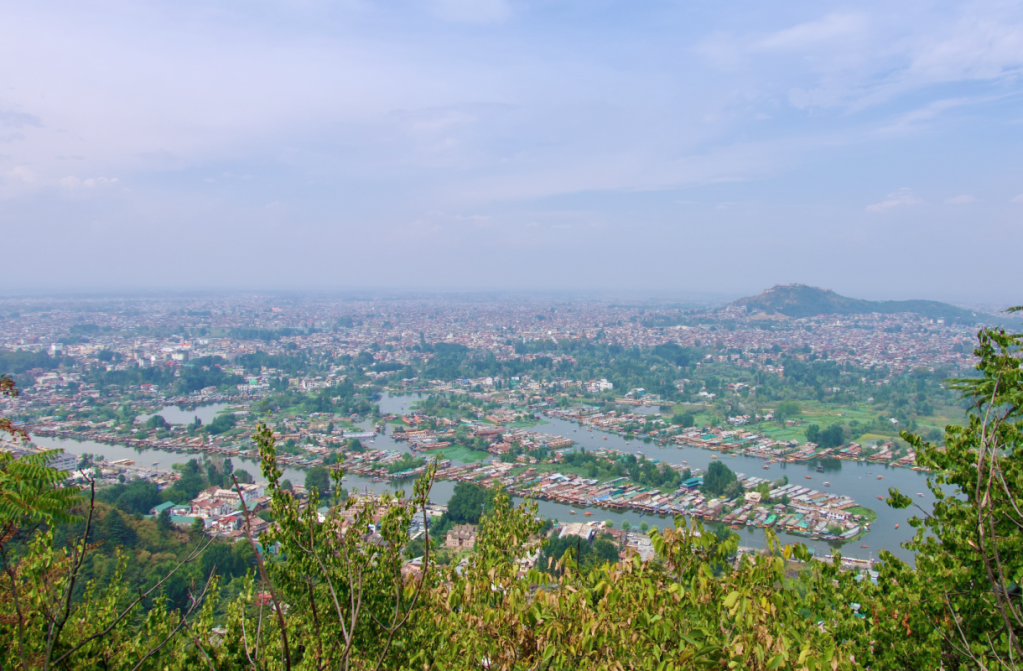
There are about 220 steps to the top, with some space on the stone steps to rest. Even with a moderately active lifestyle, I had to take a few breaks on the way to the top. It was a good morning workout. The view from the top is unmatched from any other part of the city. Unfortunately, we hadn’t taken our phones or cameras because our guide assumed it wasn’t allowed (it is only prohibited to take pictures inside the small temple).
Even if you don’t want to enter the temple, and the steps to the top are not prohibitive, do make the climb for the unobstructed views of the whole city. You can see how the Dal Lake and the Jhelum River snake through the town. The morning sun sparkled in the waters, and the whole scene looked divine.
Gardens of Srinagar
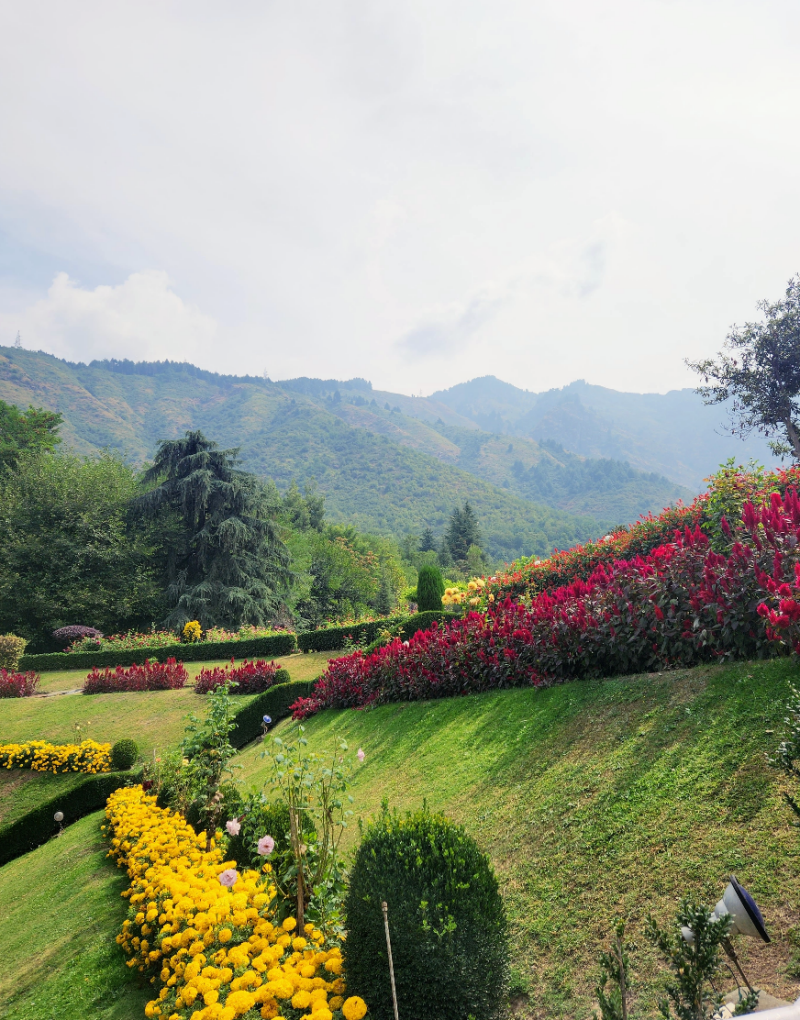
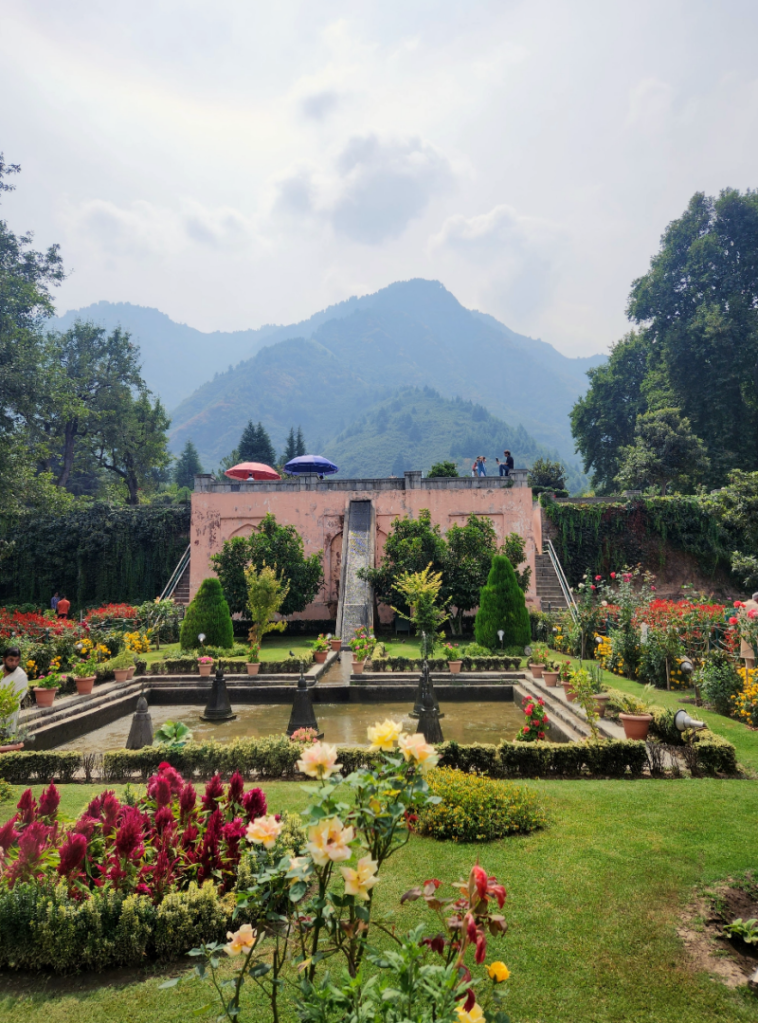
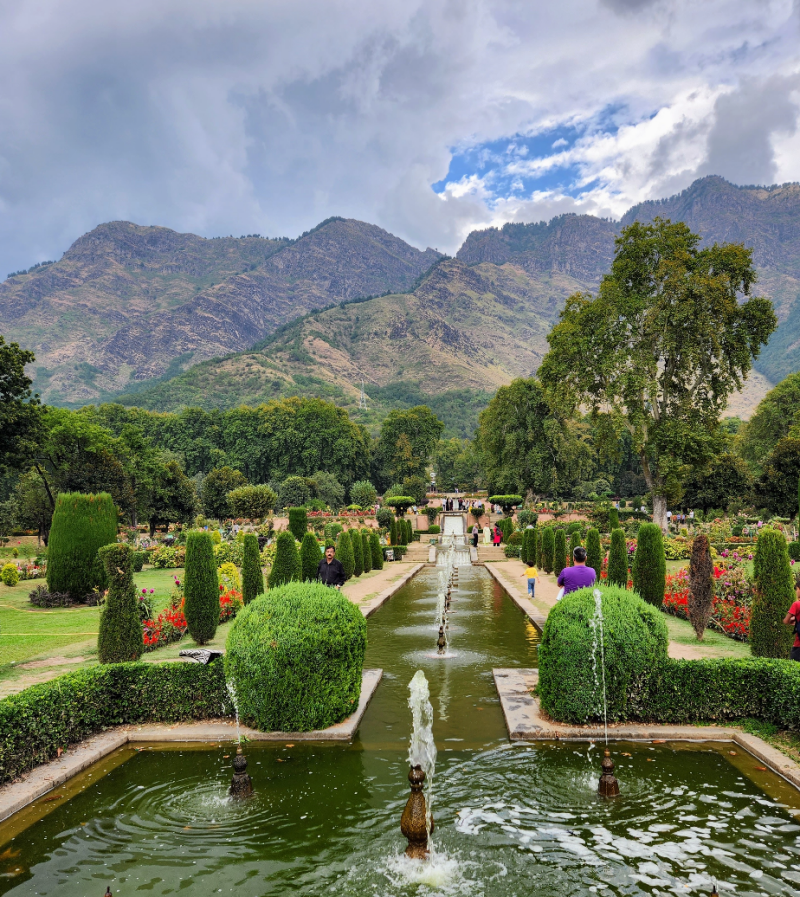
There are many beautiful gardens in Srinagar. We visited three of the most popular ones: Cheshmashahi Park, Pari Mahal, and the Mughal Gardens. Each of them offers stunning views of the valley, with the Zabarwan mountain range towering on all sides and the beautiful city spread out below.
There are many more gardens in the city but if you don’t have time to visit all of them, then at least visit these. I would’ve loved to lounge around and have a small picnic here, but we were short on time and had to move on.
Dargah Hazratbal
This is a beautiful oasis of peace in the middle of chaos, open to people of all religious beliefs. Do remember to cover your head with a scarf or cap while you’re inside. The gleaming dome looks beautiful in the sun. You can sit in the park or stroll along the riverside, where you’ll even see some people fishing.

Dal Lake
The quintessential Kashmiri experience of a shikara ride at Dal Lake is not to be missed. We went in the evening, just before dusk, to avoid the day’s heat and take in the lights after sunset.
The rates for the rides are published on a signpost where you board, so you know you’re not being fleeced. We opted for the full tour, which lasts about 90 minutes and takes you through the island villages, the lotus farm, and the floating market.
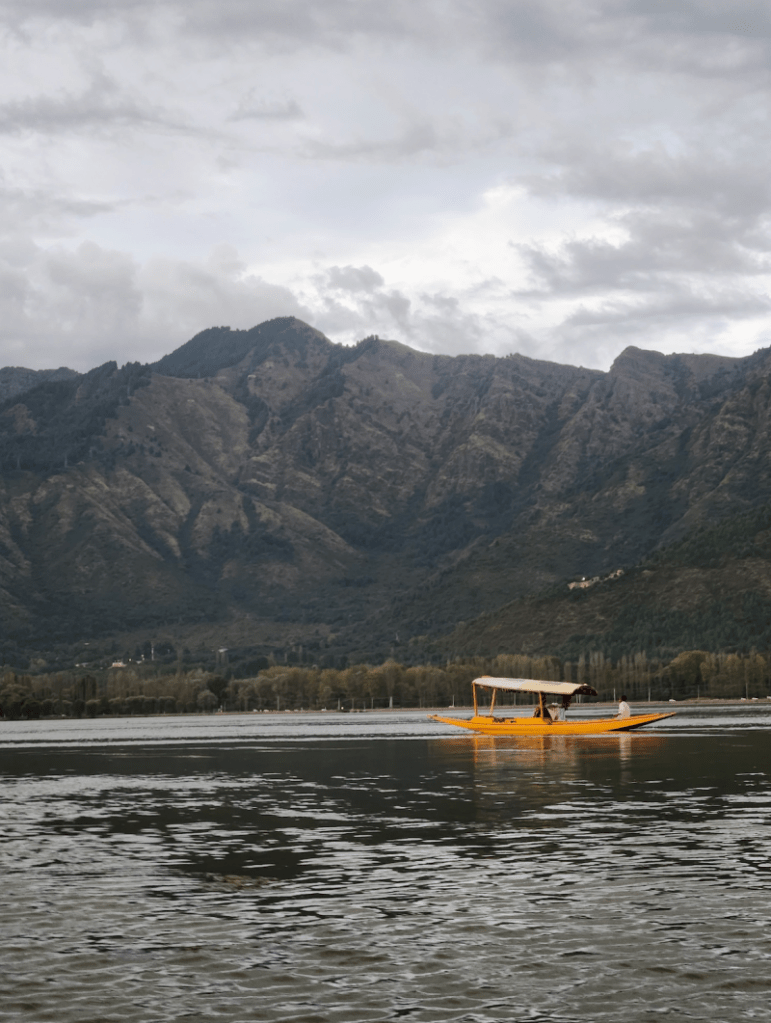
The beautiful view of the serene lake and mountains as we floated gently on the waters, with a light breeze cooling us down after a long day of walking, was just what we needed. A slight drizzle added to our delight.
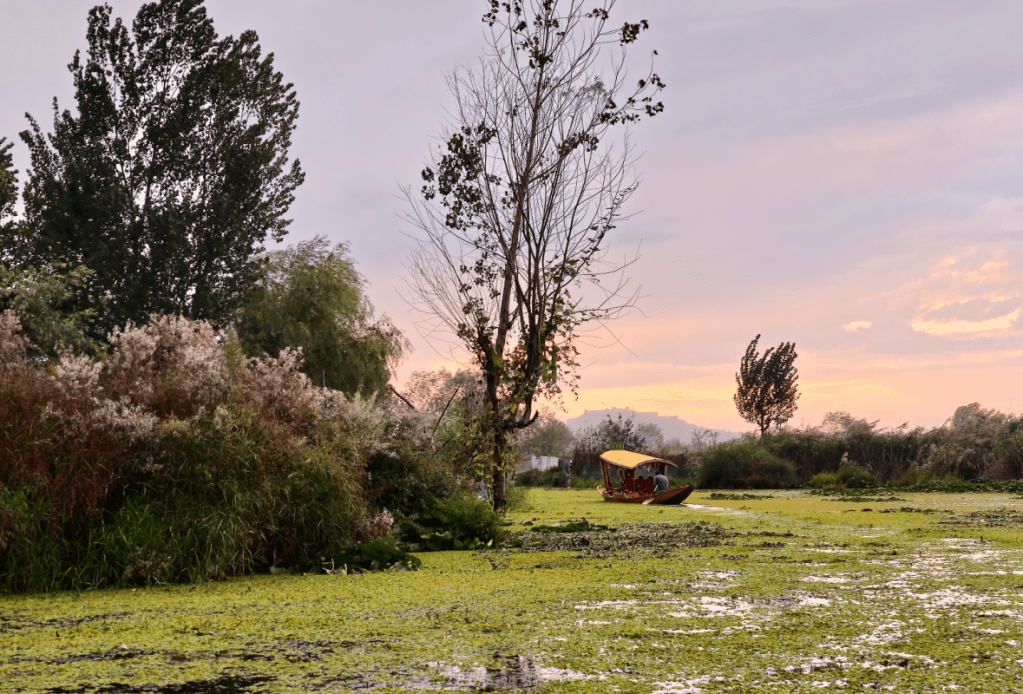
Many smaller shikaras came offering handicrafts and food. We got some hot coffee, for the weather had cooled down significantly. It was a relaxing way to spend an evening.
The shikara took us to the open lake with its calm blue waters and birds chirping as they returned to their nests for the night. The residential houseboats on the edges of the lake looked opulent with intricate wooden carvings.
From here, we took the narrower lanes to the residential areas with people living on the smaller islands and farming their own produce. Here, a layer of hyacinth covered the top of the water, which made it difficult for the oarsman to wade through. Each shikara that was there took turns rowing in the front, clearing the path for the rest.
We saw the residents growing produce like gourds that grew as long as two feet or more. There were also some lotus plantations that are harvested for their flowers and stems.
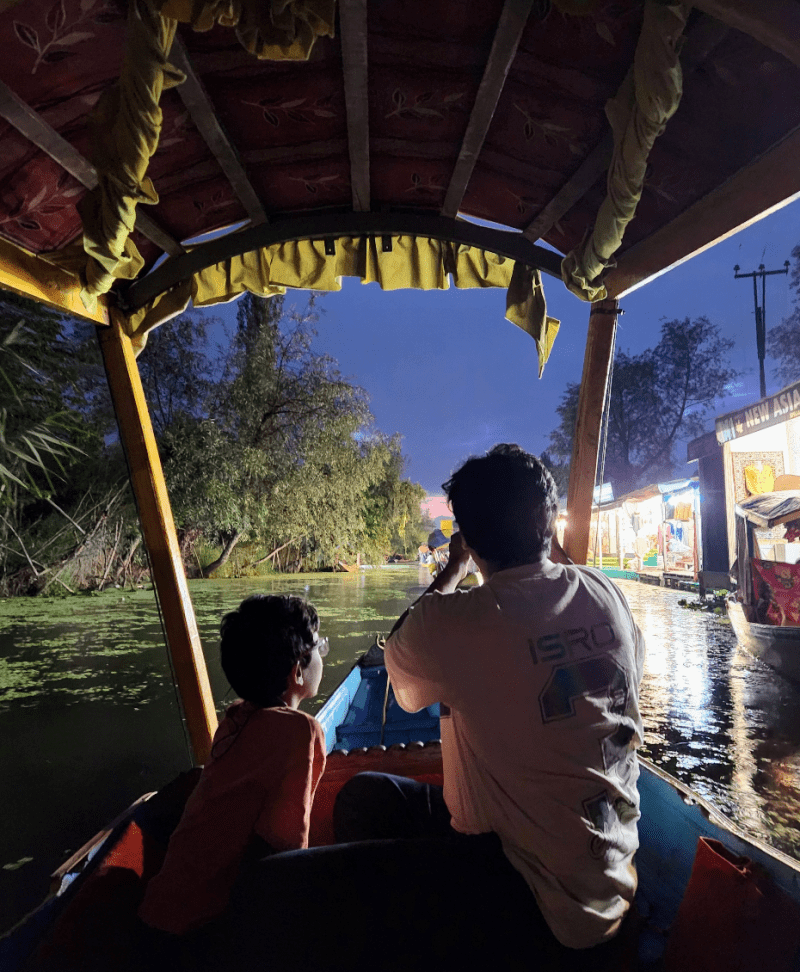
As it grew darker, we could see the brightly lit market area selling all kinds of goods, from groceries to souvenirs. Shoppers could get down and visit if they were interested. We just waded through the waterways and headed back to shore.
Gulmarg
At first, we had not planned on visiting Gulmarg as it is more of a winter attraction with its snowy slopes that are perfect for skiing. However, a few friends insisted that it had a lot to offer, even without the snow. We decided to make it a day trip from Srinagar, and it took under two hours to reach there.
The main attraction here is the cable car or gondola that takes you to the Apharwat Peak on the Kongdori mountain. The ride is divided into two parts. Phase 1 takes you to Kongdori station at an altitude of 3050 metres, and Phase 2 takes you to the peak at an altitude of 3747 metres. Phase 2 was closed for repairs when we went (it has since been reopened), but it would’ve been awesome to see the view from up high.
We parked at the entrance of the Gulmarg resort area and then walked about a kilometre to the cable car point. The verdant meadows with the temple and the golf course are also in this area and offer a pleasing view as we walk the stretch of road. There are hotels and restaurants on this stretch of road and around the parking area as well. Keep this for the return trip.
We had booked our tickets for the cable car online and only needed to show them on our phones. Although the lines to board were long, we moved quickly as the gondolas don’t stop; they just slow down to let people get in.
We quickly got in when our turn came, and once secured, we could admire the view that left us in awe. Deodar trees filled the forest below. These trees, used to make houseboats, are illegal to chop down. If one falls due to snow or other natural causes, the wood is auctioned to interested buyers. Because of this rule, the forests are still green and populated with thick old trees.
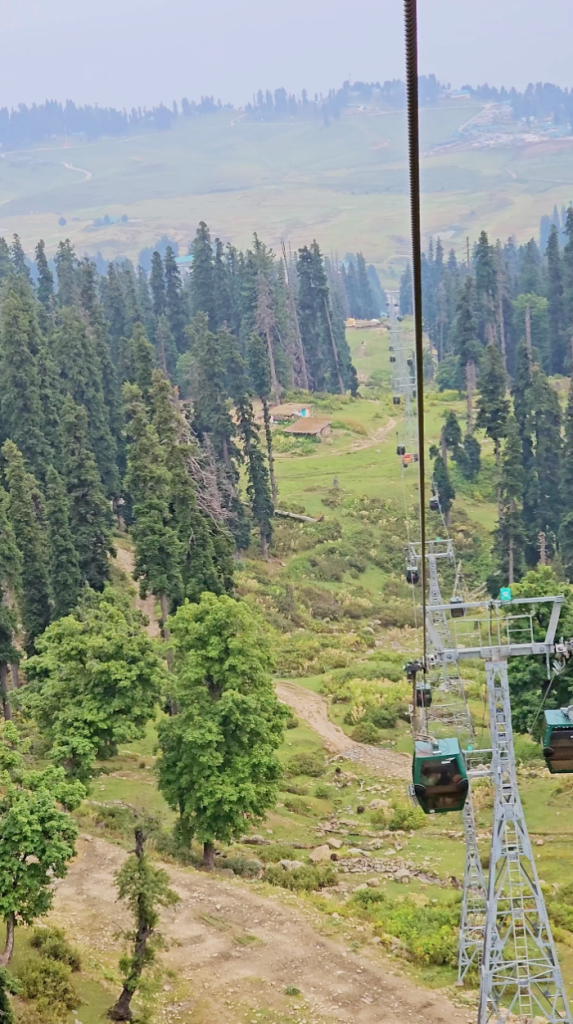
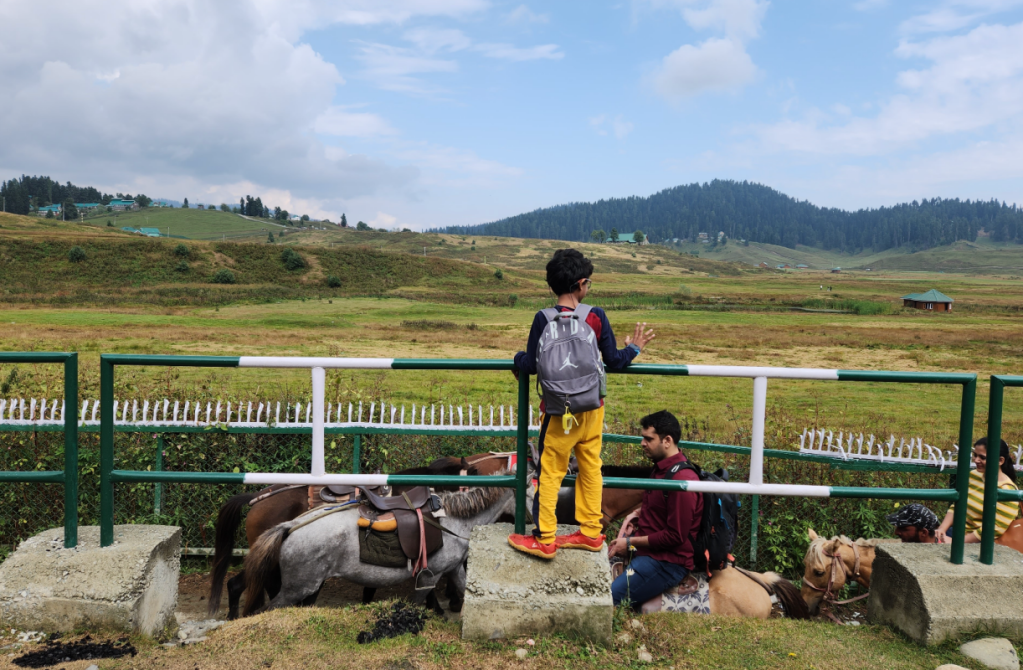
After our 9-minute journey, we alighted and went into a small restaurant for a quick bite and to use their restrooms. Most tourists chose to sit around and enjoy the view before heading back. We were not ready to return so soon, nor were we keen to trek further with our young son, although the path to the small waterfall was only a moderate hike. We decided to hire ponies to take us there.

Apart from a pony, we had a guide who just walked along with us. There wasn’t much use of him because there isn’t much he could show us, but he was talkative and kept us entertained. He also took one of our phones for taking photos, and I don’t think I’ve posed as much, even for my wedding pictures! Even our son, who has to be forced into taking pictures, posed as directed by the guide.
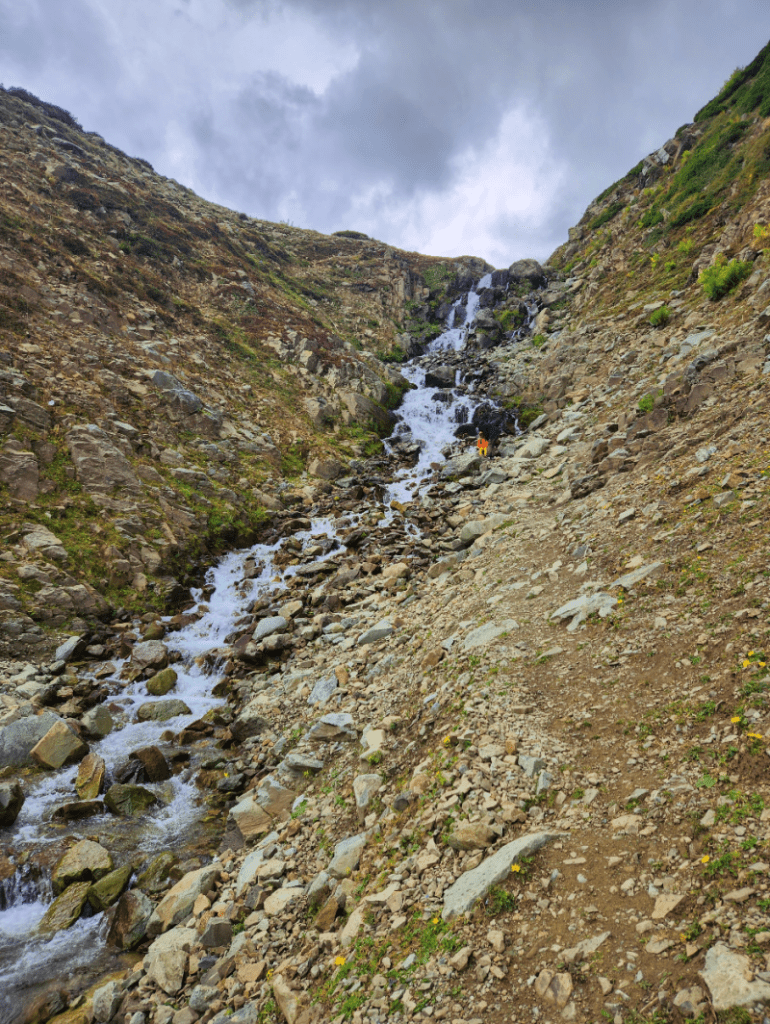
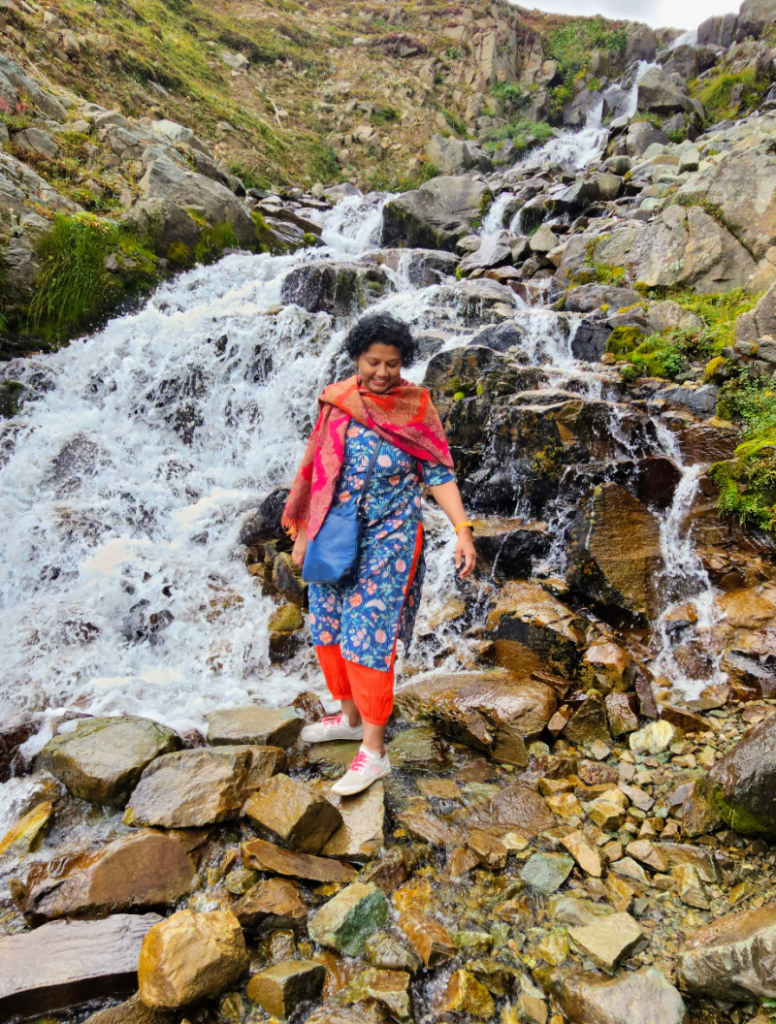
It took us about half an hour to reach the waterfall. We walked around for a while to enjoy the beautiful view and could even touch the cold waters of the falls. As we were heading back, we saw some other tourists who had adopted to go to a higher viewing point struggling to navigate the steep rocky terrain. We were glad to have avoided that treacherous journey.
The return journey felt quicker, and the lines for the cable car were shorter. We decided to just leisurely walk to the gate and head back to Srinagar instead of exploring the rest of the valley.
Pahalgam
Pahalgam beckons during the summer months when the hill station charm offers a welcome escape from the sweltering lowlands. Our journey from Srinagar to Pahalgam took approximately three hours, with some stops in between.
Our initial stop brought us to Pampore town, renowned for its exceptional saffron, often referred to as the red gold of the region. In September, the saffron fields lay dormant, and planting the seeds was about to start. The town was lined with countless shops showcasing local saffron, dried fruits, and aromatic teas, making it a true treasure trove for connoisseurs.

As we continued our journey, we passed through Anantnag District, celebrated for producing willow cricket bats that find their way to cricket enthusiasts across the globe. These bats, crafted from Kashmir willow, are revered for their durability and resilience, adding to the region’s sporting prestige.
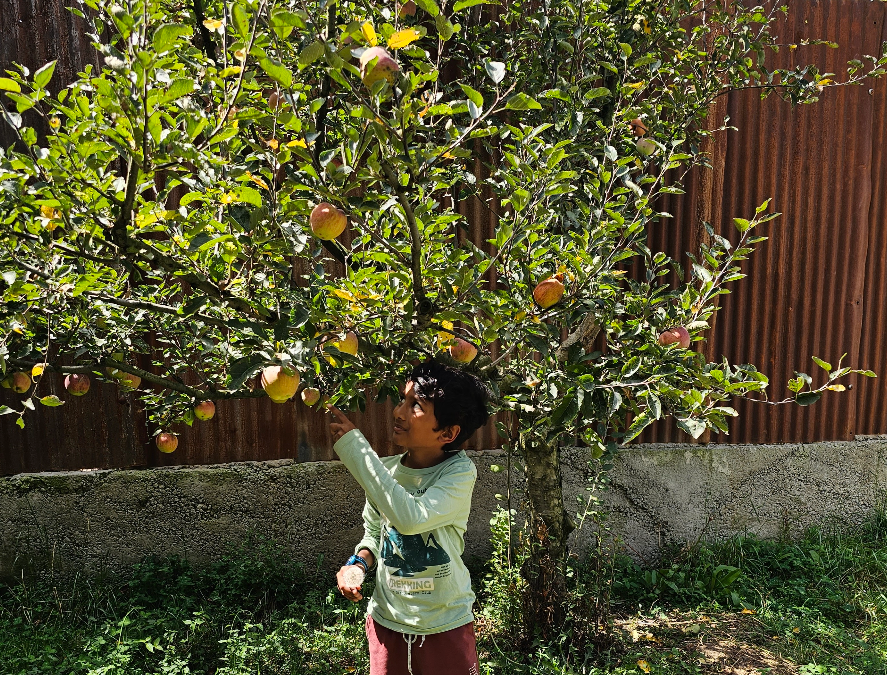
We also stopped at an ‘apple farm.’ However, they seemed to be more of a tourist spectacle than a genuine orchard experience. These modest plots of land boasted only a handful of apple trees, strictly off-limits for plucking. Visitors were, however, offered a taste of fresh apple juice and an opportunity for snapshots amid the trees. Unless you’re solely seeking a photo op, you might consider skipping this.
The road to Pahalgam is quite scenic, but the town itself is nothing to speak of. Many hotels and shops are squashed on a narrow road that’s shared by horses, sheep, and motor vehicles.
Pahalgam is more expensive than most towns as their tourist season lasts only for the summer. The clear blue Lidder River running through this region offers white water rafting in the summers. The Pir Panjal mountain range stands majestically covered with dense pine forests. If you could find narrow views without the crowded streets, the beauty of the place is astounding!
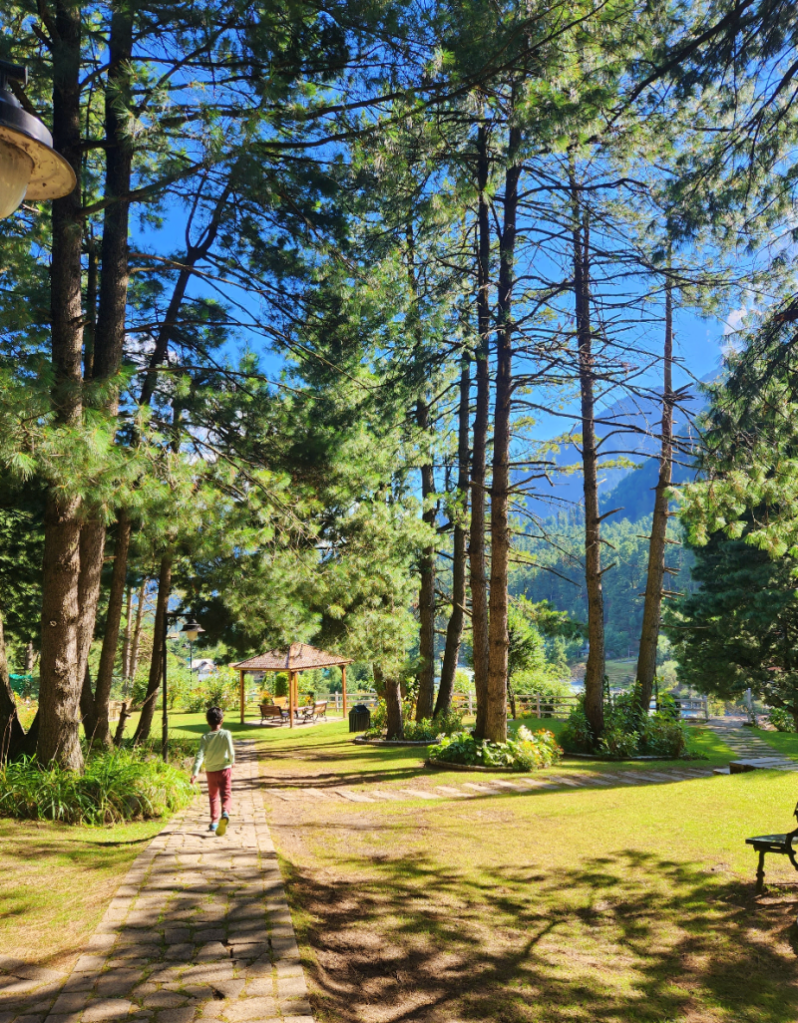
Our hotel was just what we needed after a hectic few days of travelling and sightseeing. We went out to the gardens and lounged in the gazebos surrounded by pine trees, overlooking the impressive mountains and the serene river flowing below us.
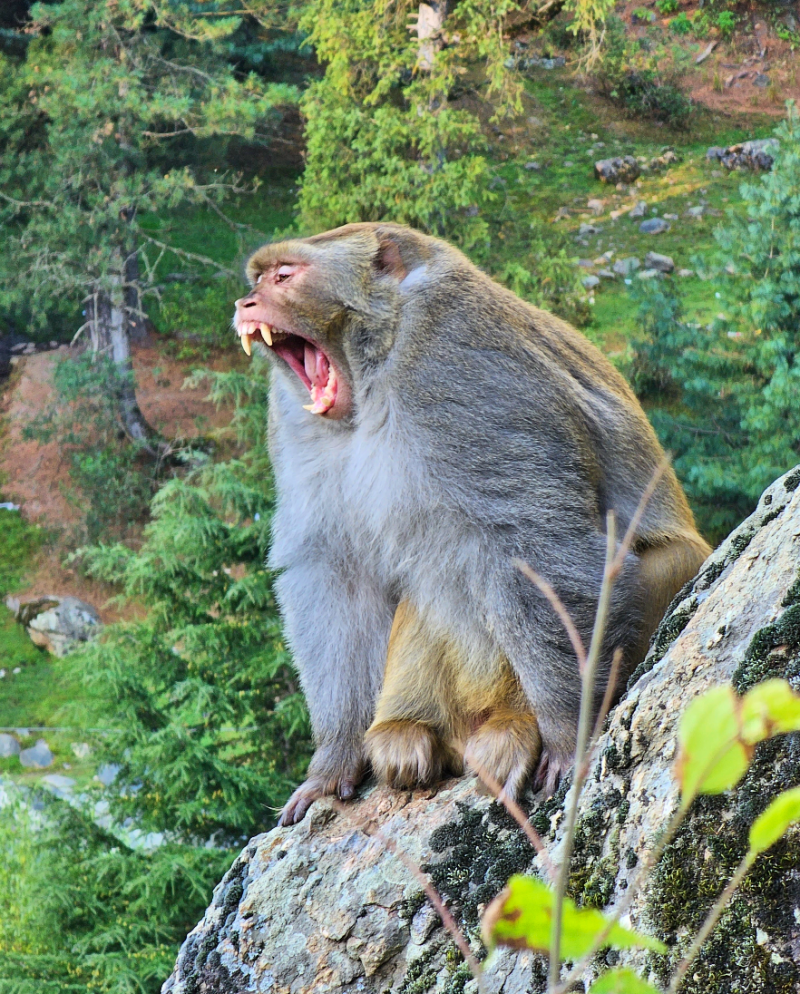
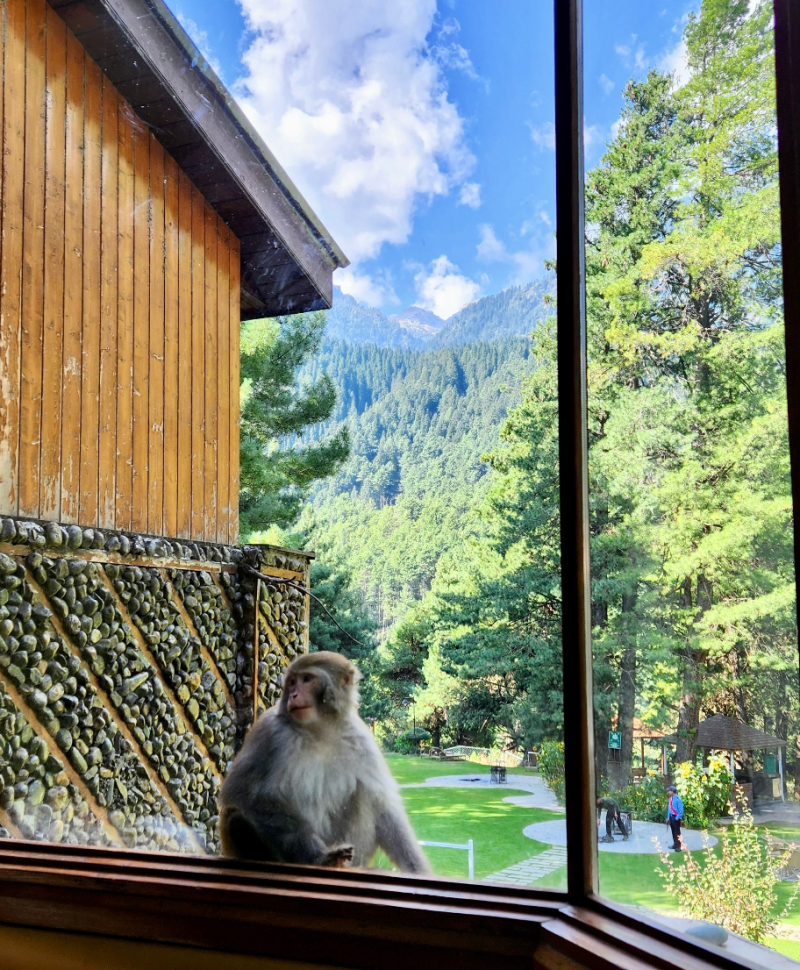
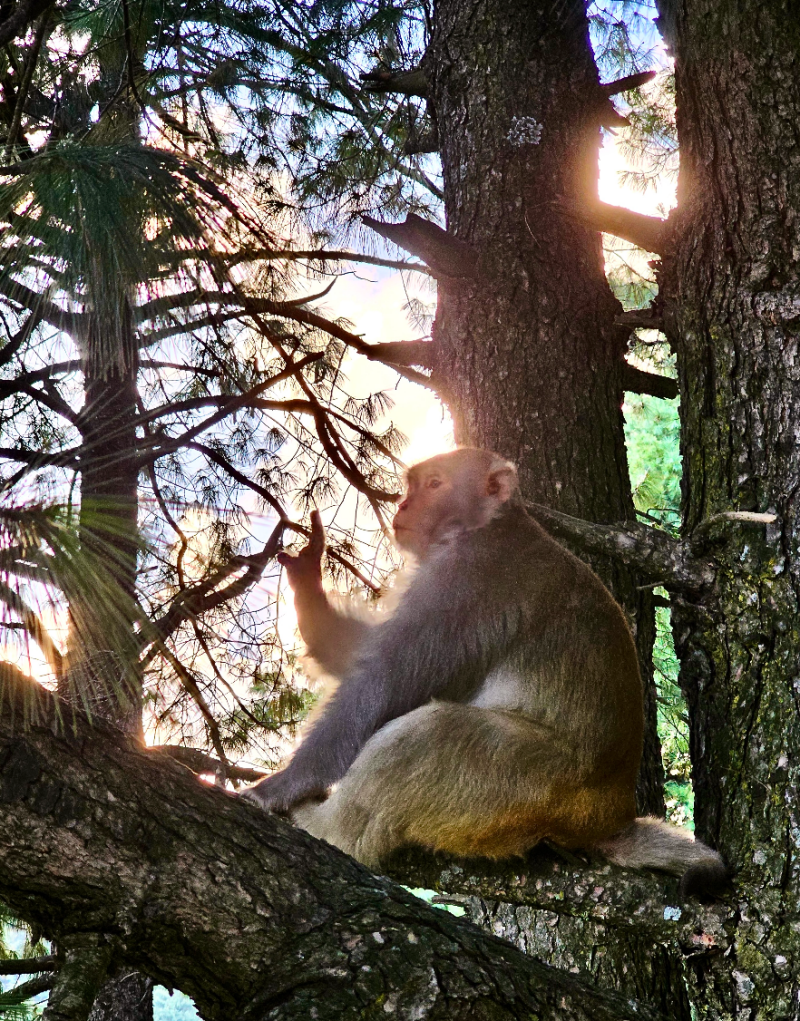
We even had some curious chunky monkeys pay a quick visit. One even came up to our room window to have a look. Thankfully, they are not the aggressive kind and were happy just to stroll around curiously.
The weather was perfection; while the daytime sun lent a gentle warmth, evenings offered cool breezes. This idyllic climate set the stage for savouring delectable kebabs straight from the angeethi, a traditional clay oven, in the evenings.
During our stay here, we wanted to explore some nearby spots that wouldn’t be too taxing. The local taxi stand offers tours to many interesting spots. The rates were printed on the board and are quite straightforward, depending on the number of destinations to explore and the choice of your chariot.
Our picks for the day led us to the captivating Aru and Betaab Valleys, a journey of approximately three and a half hours, factoring in travel time. Each of these spots gave us a different perspective of the majesty of the mountains and the serenity of their flowing rivers.
Aru Valley
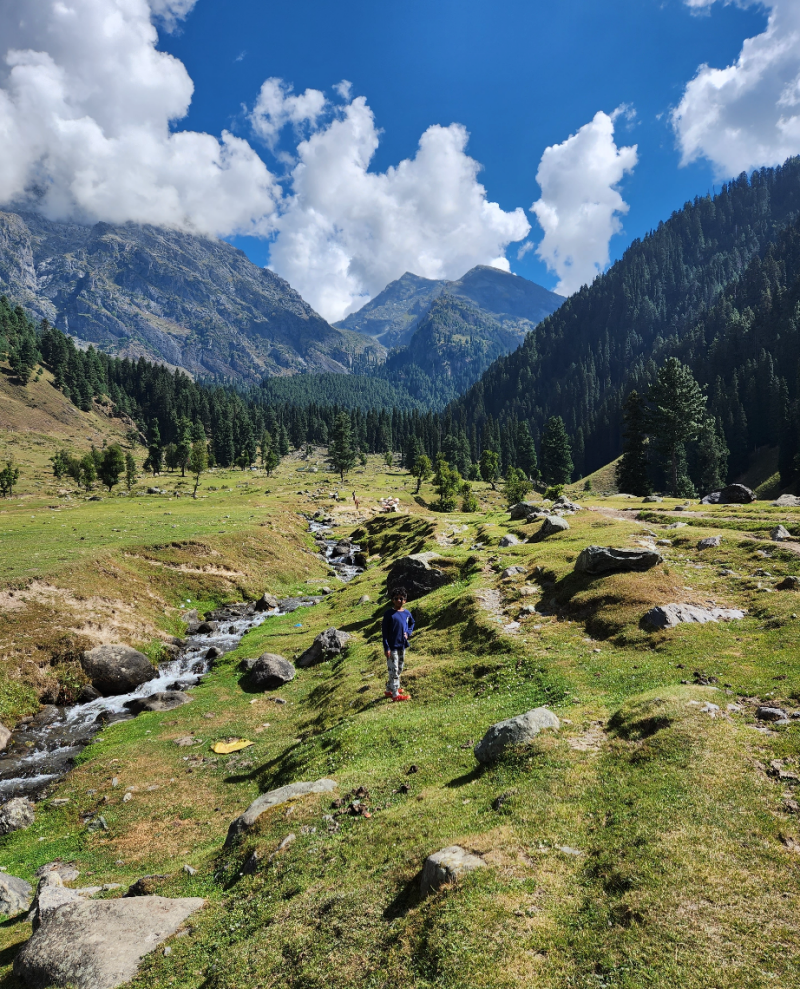
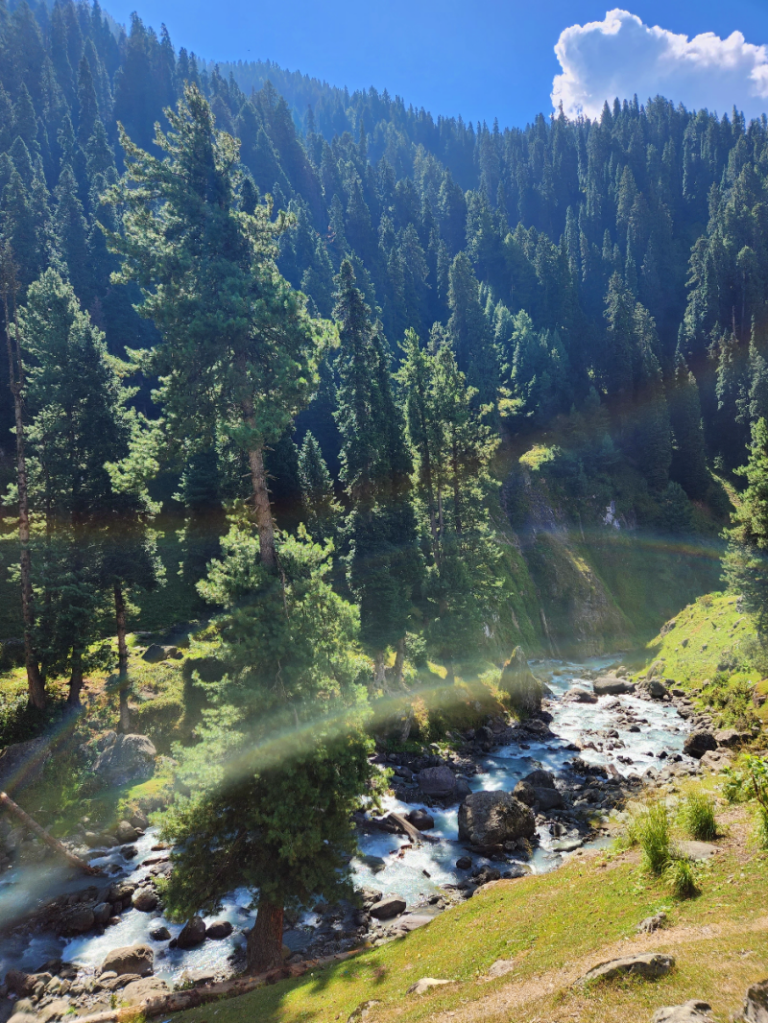
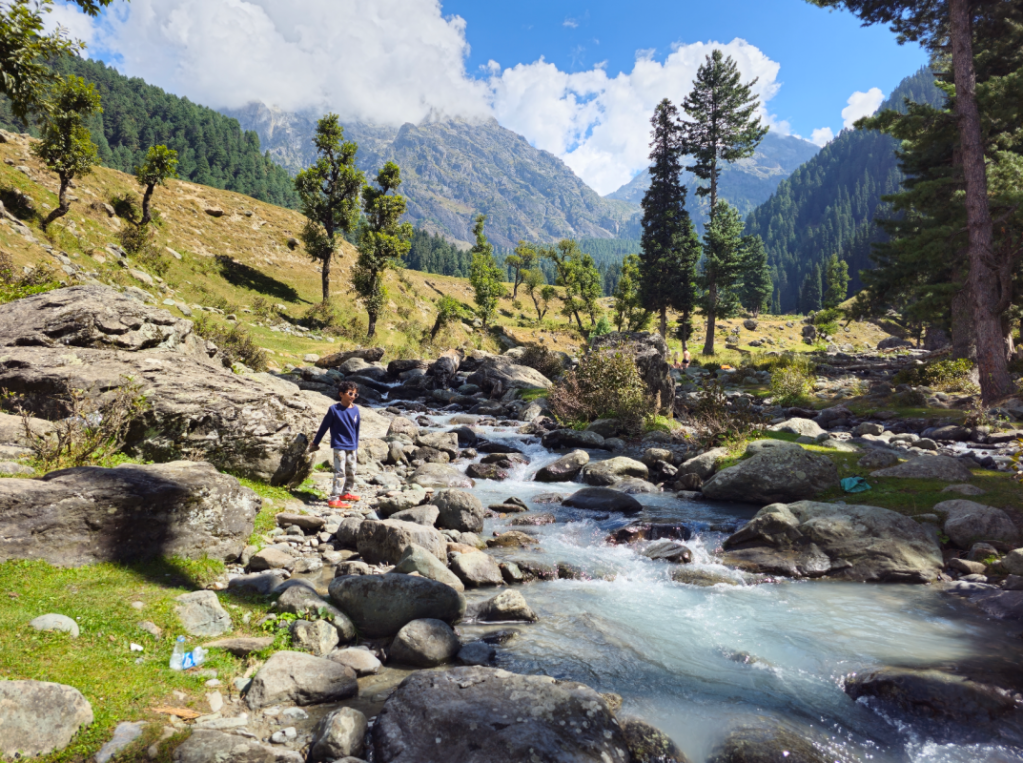
We walked from the crowded (and muddy) parking area to the start of the scenic walk. We decided to embrace the surroundings on foot rather than opting for a horse ride to reach some of the more distant attractions. Once you leave the market area behind, it is so calm and beautiful to just walk around and enjoy the scenic beauty. Do remember to watch your step, lest you step into some horse dung!
You can amble down to the river if you’re up for a quick trek. During the summer months, when the Kolahoi Glacier’s meltwater swells the river’s flow, this trek becomes a conveniently short journey. We spent an hour here, even though the driver had said there was ‘nothing much to see’.
Betaab Valley
We crossed Pahalgam and headed the other way to Betaab Valley. The viewpoint in question is actually a garden that requires an entrance fee for access. Within this scenic locale, you have a variety of options to enjoy – you can leisurely recline on the grass, embark on a picturesque tour of the entire park via a pony or a hand-pulled wagon, or simply stroll down to the riverbank and relish the experience of dipping your feet into the refreshingly cold, shallow waters.
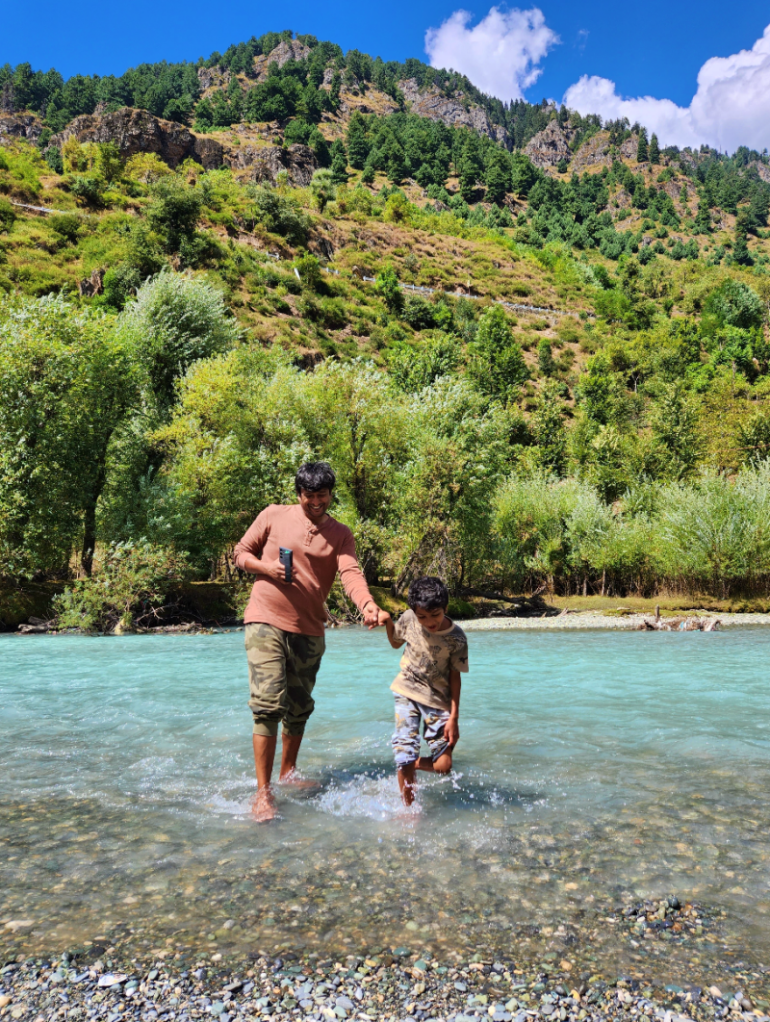
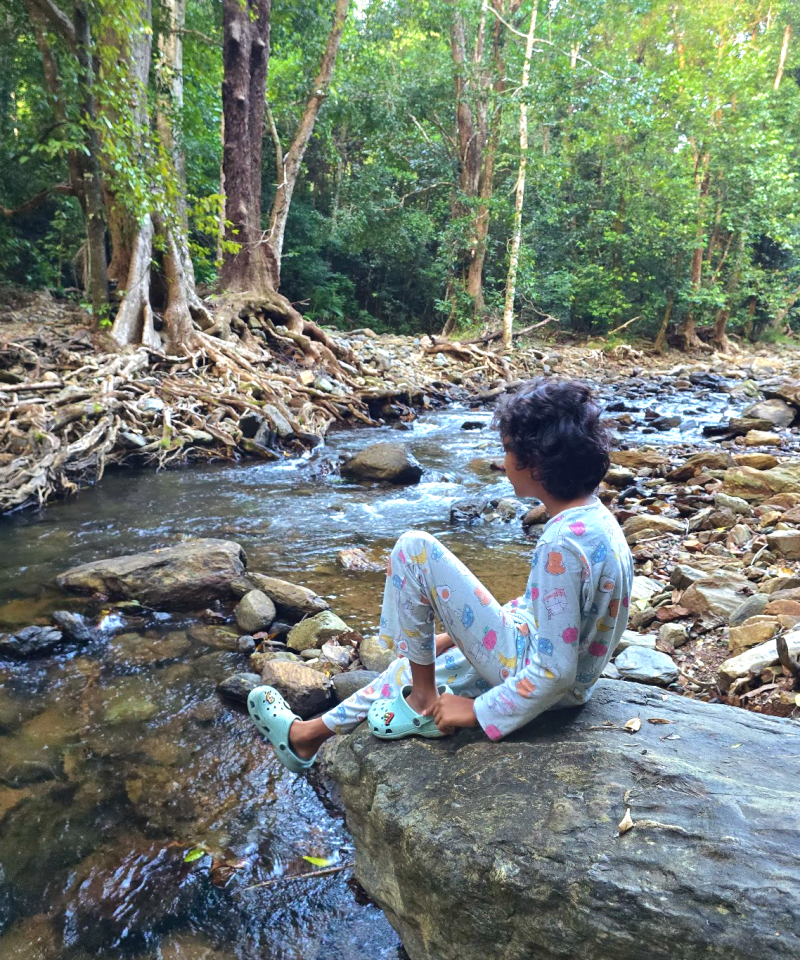
Our son, in particular, found immense joy in ambling along the pebbled shores, collecting a handful as keepsakes to bring back home. Even I got tempted to do the same. The sun was up in its glory, so the cold waters felt like the perfect way to cool down.
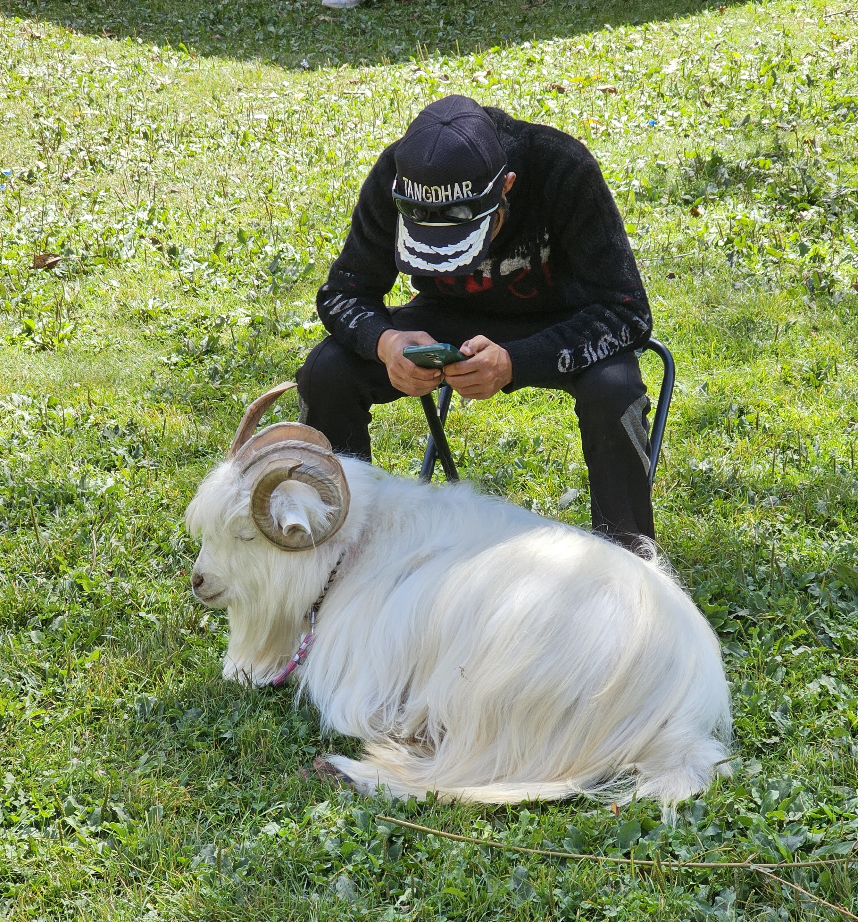
On our way back, we saw some Pashmina goats with their handlers. One of them wasn’t too thrilled to be asked to pose for pictures, and he let his handler know it! We took a few quick clicks and returned to our day of rest.
Travel to and around Kashmir
Srinagar benefits from convenient direct flight connections to most major destinations. However, it’s worth noting that the airport is also utilised by the Air Force, which means you may occasionally spot fighter jets on the premises. Keep in mind that photography at the airport is prohibited due to security considerations.
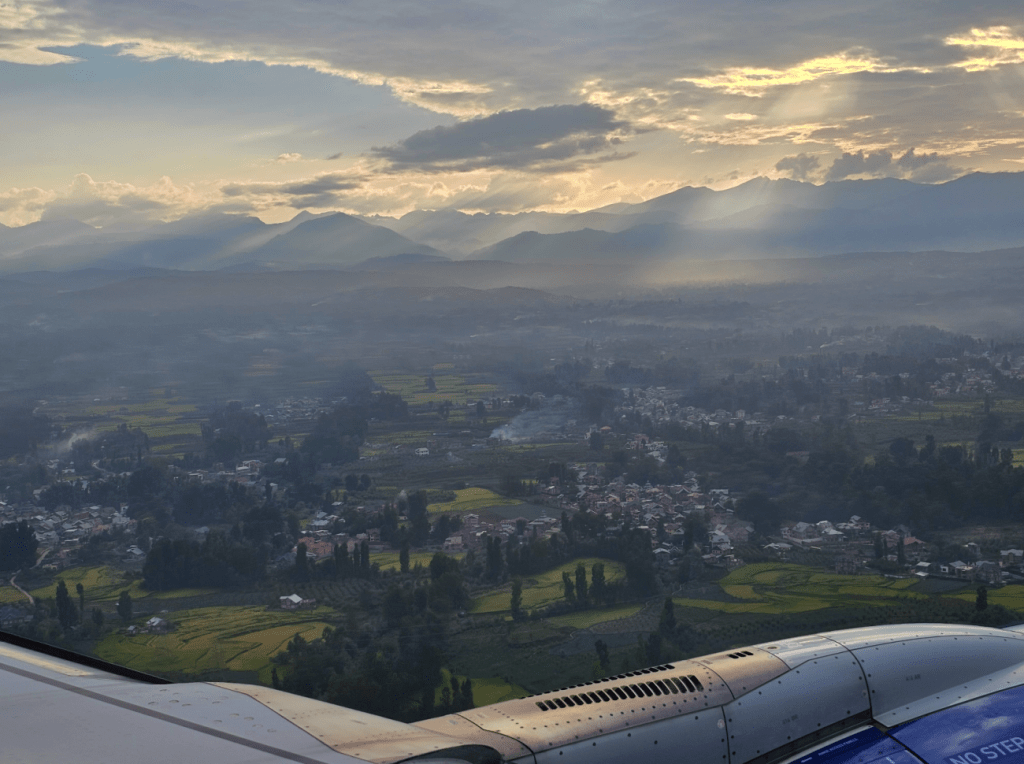
When departing, ensure you arrive at least two hours prior to your flight, as there are multiple layers of security checks to navigate.
For our trip, we pre-booked a car for the entire duration of our stay. Nonetheless, it’s important to be aware that many cities you visit in the region may require you to engage local cab services, even if you’ve brought your own vehicle from Srinagar. Alternatively, you can explore options like day cabs, trains, and tourist buses for intercity travel, especially if you prefer not to have a car waiting throughout your stay.

Where to stay in Kashmir
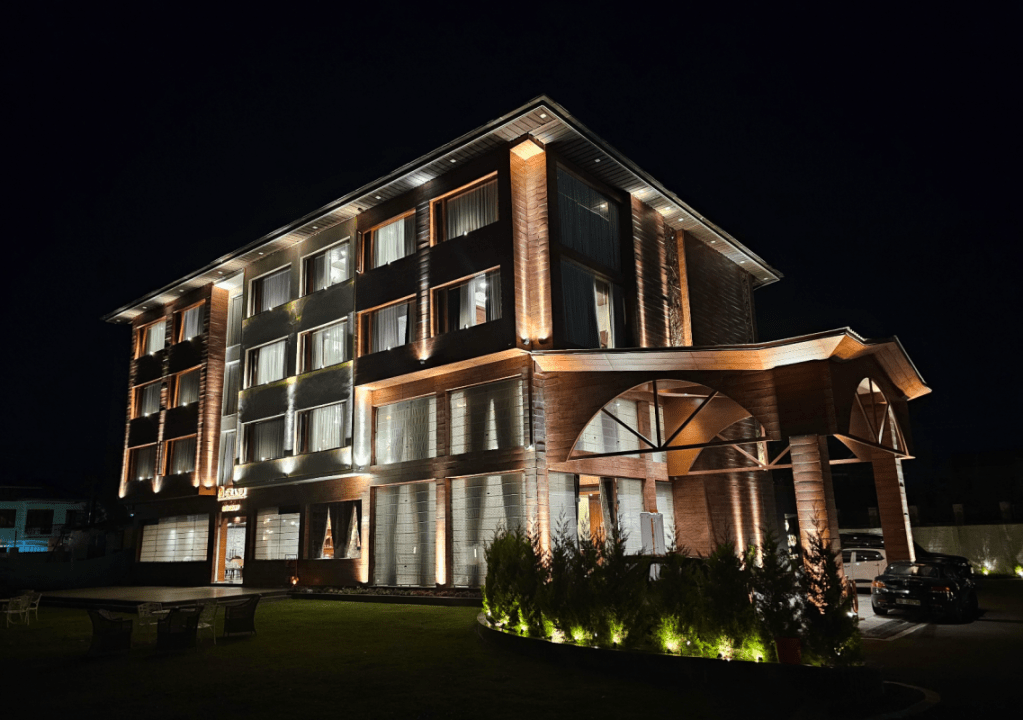
We stayed at the Welcome Grand, a city hotel in close proximity to the airport, though approximately a 20-minute drive from Dal Lake. The establishment impressed us with its outstanding cuisine and impeccable service, and we were delighted to find a plethora of restaurants and cafes within walking distance.
Dal Lake and its surroundings offer an abundance of accommodation options, ensuring that visitors are truly spoiled for choice. Regrettably, our first-choice rooms were unavailable due to our delayed reservation.
Certainly, the houseboats, a perennial favourite among tourists, command attention. These stationary Deodar boats, some adorned with intricate carvings, typically feature 3 to 5 rooms, a dining area, and a comfortable sitting space. Their unique charm lies in the stunning vistas of the lake, especially during the mornings and sunsets. We were not keen on staying on the water, so opted out of this.
During our time in Pahalgam, we stayed at the ITC WelcomeHotel. This tranquil hilltop retreat afforded breathtaking views of the mountains and a river flowing right beneath it. The surrounding grounds were adorned with pine trees, and our son enjoyed gathering a bundle of them to take home as mementos for his friends.
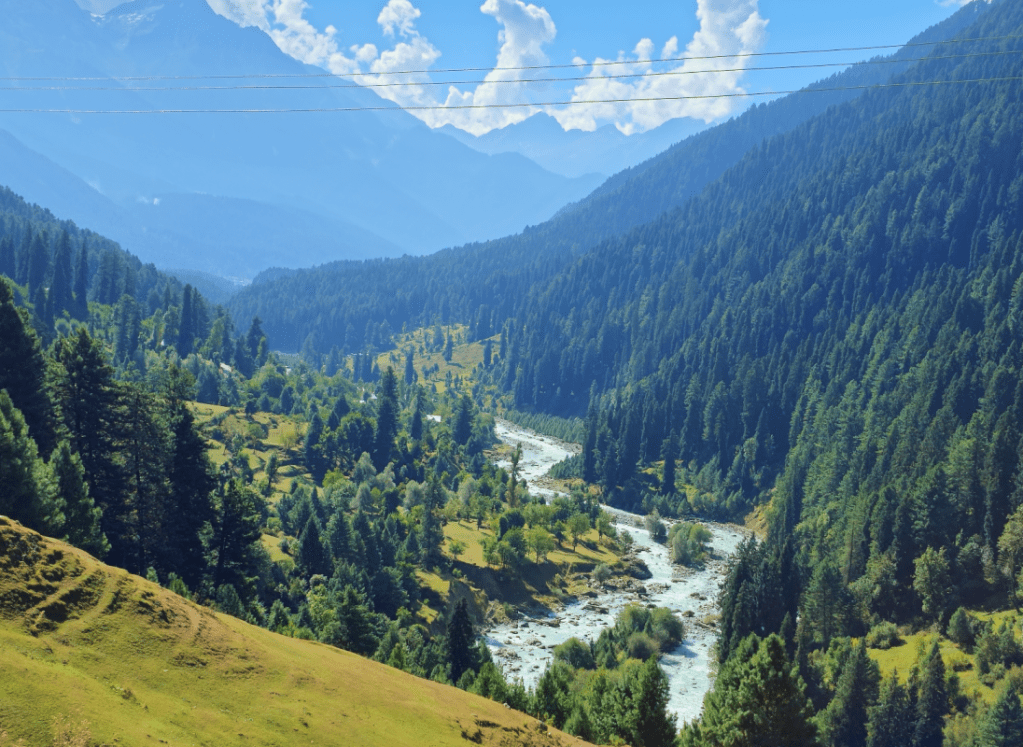
While the main town area teems with hotels and restaurants at more budget-friendly rates, we opted for a quieter escape where the only sounds that graced our days were the soothing rush of the river and the melodious chirping of birds. Our goal was relaxation, and this serene haven proved to be the perfect choice for unwinding.
What to eat in Kashmir
We usually avoid Indian cuisine in restaurants, particularly in Hyderabad, as the intense spiciness and heavy gravies often lead to feeling overly full, even with smaller portions. However, our culinary experience in Kashmir was a delightful exception. Despite indulging in a lavish spread of various gravies and kebabs, we were pleasantly surprised by the light, flavorful gravies that were just mildly spicy.
Our food journey here started at Olive Tree Dining, conveniently located near our hotel. Here, we savoured a delectable kebab platter paired with a refreshing Qawah, which even our usually discerning son relished.

Ahdoos, another culinary gem, is renowned for its authentic Kashmiri cuisine, drawing in visitors from all corners. Their Trami meal, a lavish thali, offers a medley of both vegetarian and non-vegetarian dishes. Between the two of us, we had the pleasure of sampling approximately 12 items, all accompanied by a plate of rice. The array encompassed Kashmir’s most beloved dishes, including lotus stems, haak saag, rogan josh, and gushtaba. While the vegetarian selection might not be as extensive, there’s still plenty to satisfy your palate. To add to the charm, their ground-floor cafe serves equally appetising dishes.
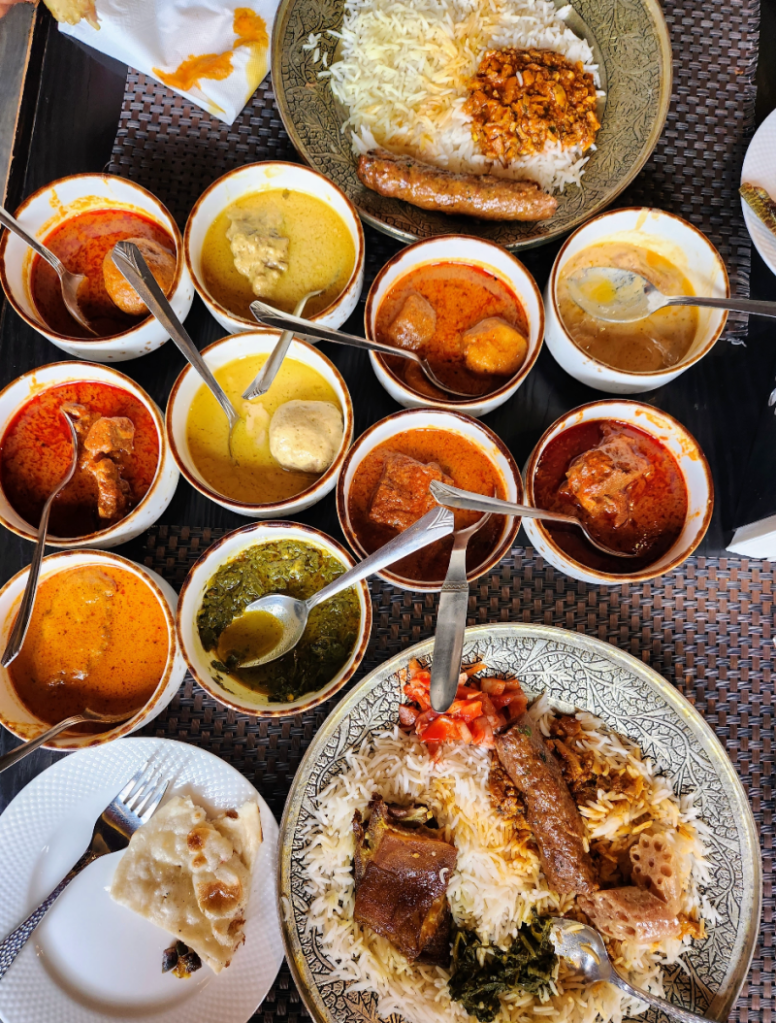
For those seeking Instagram-worthy dining spots, Chakosi Makosi, situated next to the lake, impressed us with its delicious burgers and pasta dishes.
During our time in Gulmarg, we opted for some scrumptious sandwiches and coffee at a local cafe on the way back from the cable car to the main gate.
In Pahalgam, we savoured all our meals at the hotel, taking in the picturesque surroundings.
When exploring various viewpoints, we noticed that the standard mountain fare often featured Maggi instant noodles and tea. These we opted to avoid.
In the realm of beverages, Kashmir offers two distinctive local teas. The renowned Qawah is a green tea infused with a blend of 11 spices, exuding a delicate and nuanced flavour. You can choose to sweeten it with honey or enjoy it as is. Many places will also add crushed almonds to enhance your tea experience. The other is the Noon chai, which is the local salty tea, quite distinct from the usual sweet variety. It’s an acquired taste, so be prepared for something different if you’re accustomed to sweet tea.
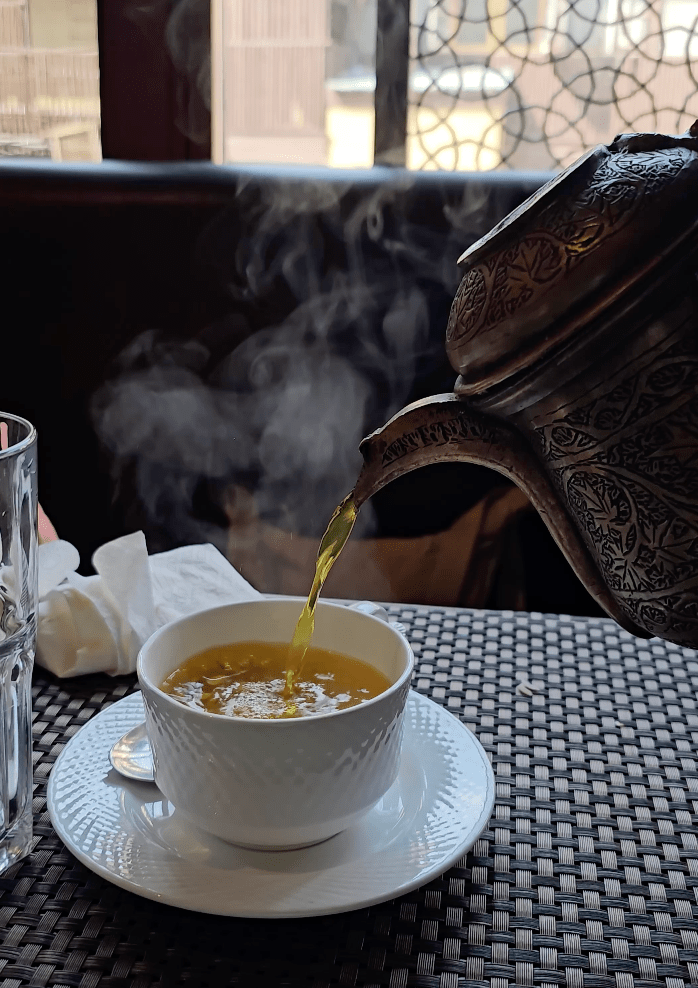
One noteworthy aspect to remember is that while alcohol is not banned in Kashmir, it is not readily available at hotels or restaurants. They do, however, allow you to bring your own and partake in private, away from public view.
What to shop for in Kashmir
When shopping in the enchanting region of Kashmir, you’ll be delighted by a treasure trove of exquisite items that reflect the rich cultural heritage and skilled craftsmanship of the area. You can shop at government-recognised shops, Lalbazar, or Polo View Street.
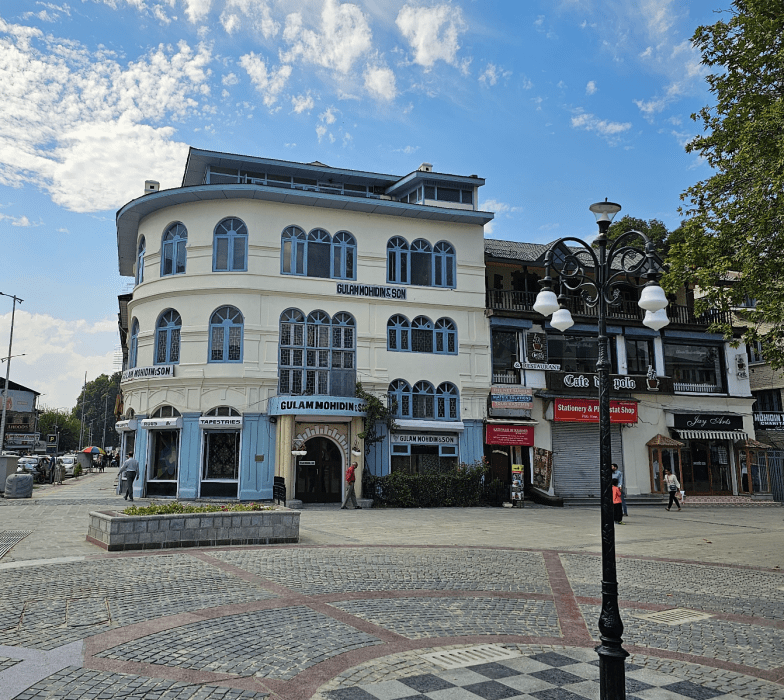
- Shawls and Stoles: While Pashmina shawls are expensive, there are other varieties of wool that are soft and elegant. I don’t live in a place where I can use these, but I picked up a few as gifts.
- Saffron: Often referred to as ‘red gold,’ Kashmiri saffron is known for its exceptional quality. It is cheaper here than what we get in our cities. It’s an ideal souvenir to take back home.
- Mamra Almonds: Kashmiri almonds, especially the Mamra variety, are renowned for their superior quality and taste. They make for healthy and delicious snacks or gifts.
- Kashmiri Walnuts: These walnuts are larger and sweeter than most, making them a delightful treat.
- Apples: Kashmiri apples, particularly those from orchards around the region, are famous for their crispness and flavour. You can buy them fresh or as jams and pickles.
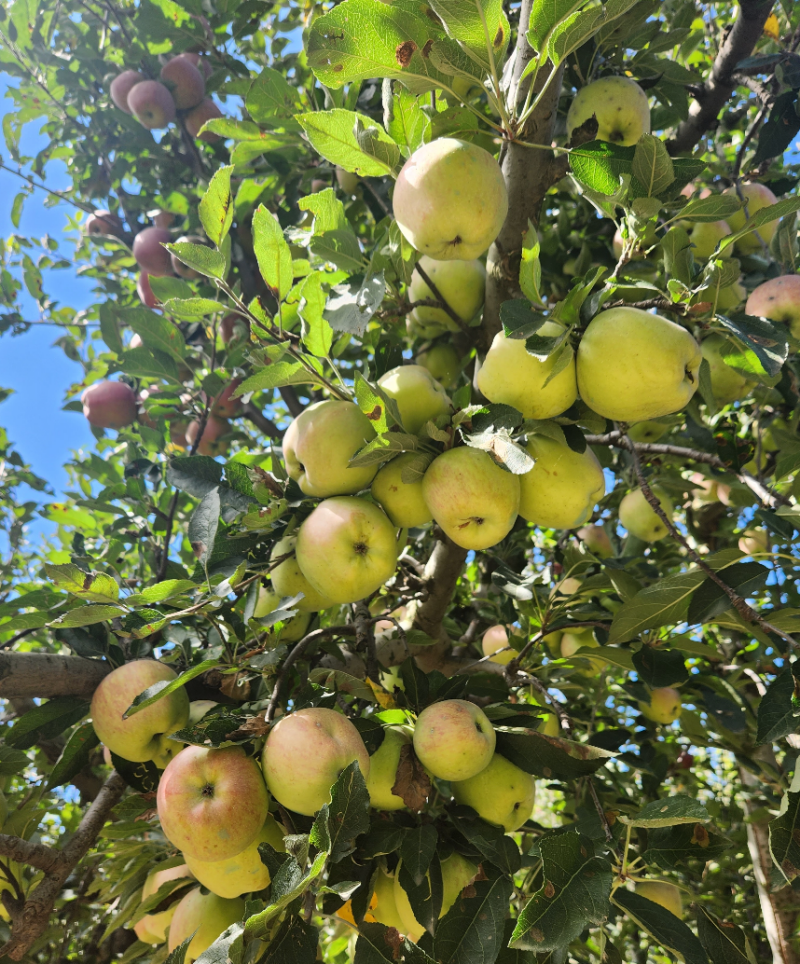
- Qawah: This traditional Kashmiri green tea infused with a blend of spices is a popular and aromatic choice. Look for it in local markets to enjoy a taste of Kashmir at home.
- Kashida Embroidery Clothing Items: The exquisite Kashida embroidery graces various clothing items, including sarees, suits, and home furnishings.
- Kashmiri Chain Stitch Household Items and Clothes: Chain stitch embroidery is a distinctive art form in Kashmir. Look for cushion covers, rugs, and garments adorned with these vibrant, detailed designs.

- Painted Papier-Mâché Products: You can find an array of items like boxes, vases, and decorative pieces adorned with intricate hand-painted patterns.

- Wooden Carvings: Intricately carved wooden furniture, panels, and decorative items are available, each showcasing the local artistic talent.
- Kashmiri Silk Carpets: These handwoven masterpieces are renowned for their intricate designs and vibrant colours.
- Silver Jewellery: Kashmiri silver jewellery is exquisite and often features traditional motifs and designs.
- Copper Utensils: Copperware, including samovars, trays, and serving dishes, is a significant part of Kashmiri culture.
As you explore the markets and artisan stalls in Kashmir, you’ll discover a wealth of choices, each reflecting the region’s artistic heritage and skilled craftsmanship. Be sure to take your time and savour the experience of selecting these beautiful items to commemorate your journey through this stunning part of the world.




 Love, Life, & Beyond
Leave a comment